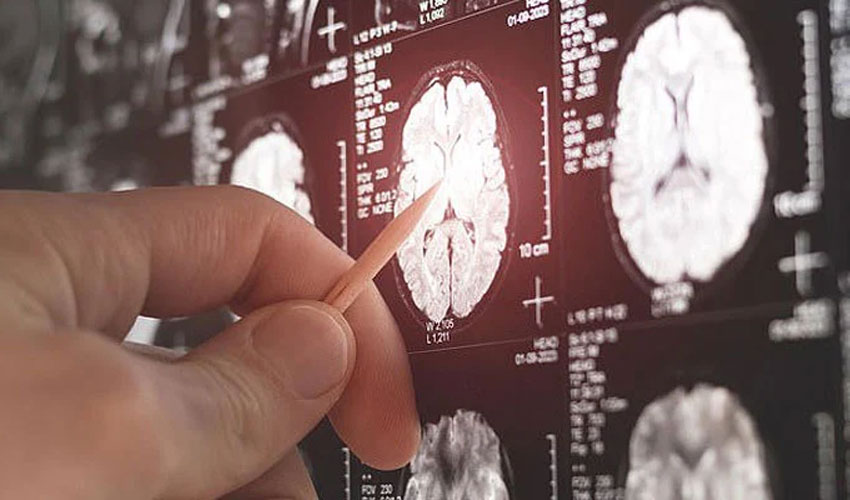
A new research insight has highlighted how early symptoms of brain tumors are often overlooked as routine health issues. Experts warn that ignoring these subtle signs can delay diagnosis and complicate treatment.
According to Laura Standen, a doctoral researcher at the Wolfson Institute of Population Health, common symptoms like headaches or forgetfulness are usually harmless.
However, in rare cases, these same symptoms may signal a serious condition such as a brain tumor.
She noted that patients and general practitioners often dismiss early warning signs, leading to delays in diagnosis. This observation aligns with previous research showing that people frequently underestimate such symptoms.
Why early detection matters
Brain tumor symptoms can resemble everyday conditions, including fatigue, depression, migraines, or even menopause.
They may also overlap with common illnesses like anxiety, sinus infections, or chronic headaches. Because these symptoms are vague or mild, many people ignore them or attribute them to less serious causes.
One patient shared that they experienced symptoms for two to three months before seeking medical attention, highlighting delays caused by healthcare access challenges.
7 key symptoms To watch
1. Difficulty Finding Words
Some patients reported struggling to recall words, form sentences, or maintain conversations.
This issue may feel unusual but is often ignored in its early stages.
2. Mental Fog
Patients described persistent fogginess, including trouble concentrating or remembering things.
In one case, a person forgot why they had scheduled a doctor’s appointment.
3. Numbness or Tingling
Tingling or numbness, sometimes affecting specific areas like the face or tongue, was reported.
These sensations may occur when brain signals to certain body parts are disrupted.
4. Changes in Vision
Vision problems such as double vision or distorted shapes were noted.
Some patients initially assumed they needed new glasses before realizing it was more serious.
5. Poor or Distorted Handwriting
Changes in handwriting or hand-eye coordination were observed.
One patient said their writing suddenly became unclear during a routine meeting.
6. Changes in Behavior or Mood
Irritability, lack of motivation, or personality changes were also reported.
These shifts are often mistaken for stress or fatigue.
7. Persistent Headaches
While headaches are common, some patients experienced severe, ongoing pain lasting for weeks.
In certain cases, headaches occurred almost daily and did not subside.
Symptoms can be misleading
Standen emphasized that these symptoms do not necessarily mean someone has a brain tumor.
However, if symptoms are persistent or feel unusual compared to a person’s normal health, medical evaluation is essential.




.jpg)