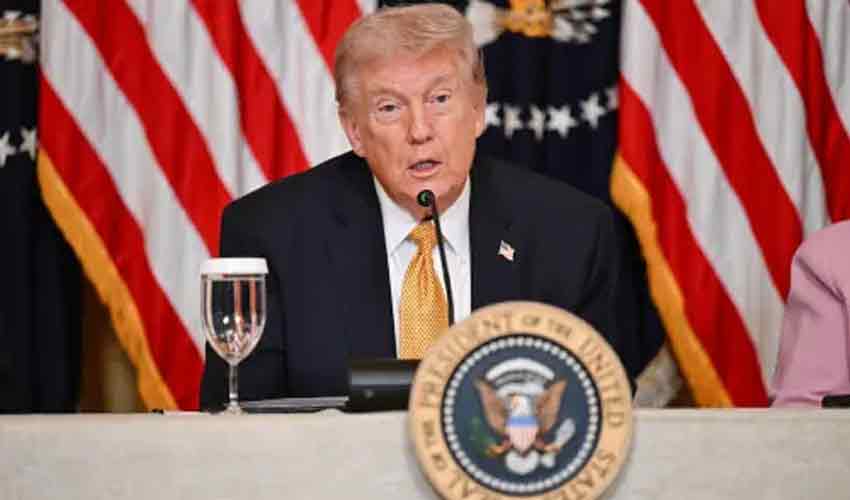
US President Donald Trump has issued a stark warning to Iran, threatening a massive strike on its largest gas field if attacks on Gulf states continue.
The statement comes amid a sharp escalation in the ongoing US-Israeli war with Iran, which is now severely disrupting global energy supplies.
Trump said Israel had “violently lashed out” at Iran’s South Pars gas field, describing it as a reaction driven by anger over developments in the Middle East. He clarified that the United States had no prior knowledge of the Israeli strike and added that Qatar was also not involved.
Trump warned that Israel would not carry out further attacks on the gas field unless Iran retaliates against what he described as “innocent” parties.
Threat of massive US retaliation if Iran escalates
Trump issued a direct warning that if Iran continues attacks, particularly against Qatar, the United States could “massively blow up” the South Pars gas field with unprecedented force.
He emphasized that such action could occur with or without Israel’s involvement, signaling a potential escalation in US military engagement.
Also Read: Arab, Islamic nations condemn Iran attacks, demand halt
Following the Israeli strike, Iran launched missile attacks targeting Gulf countries, including Qatar and Saudi Arabia.
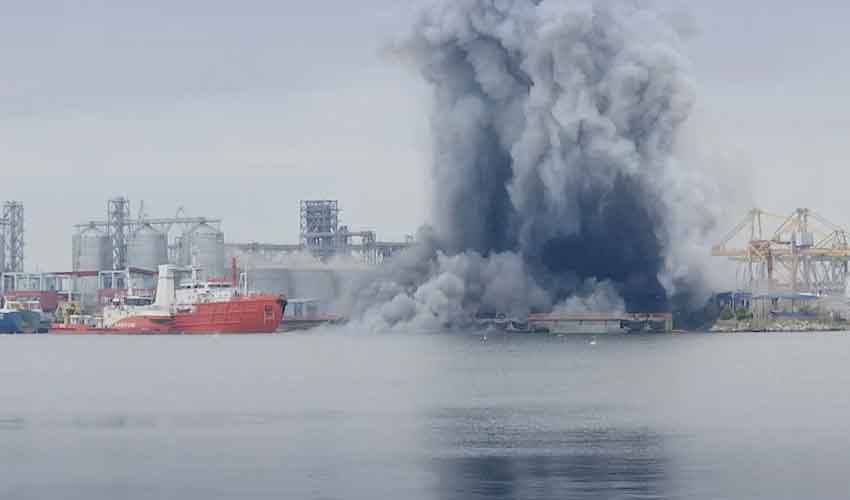
Qatar’s Ras Laffan Industrial City, a critical hub processing around one-fifth of the world’s gas supply, suffered “extensive damage” and large fires, according to QatarEnergy.
Iran also targeted Qatar’s gas facilities again on Thursday, while missiles were fired toward the Saudi capital Riyadh.
Saudi Arabia intercepts missiles, UAE shuts facility
Saudi Arabia confirmed it intercepted and destroyed four ballistic missiles aimed at Riyadh, along with a drone targeting a gas facility in the eastern region.
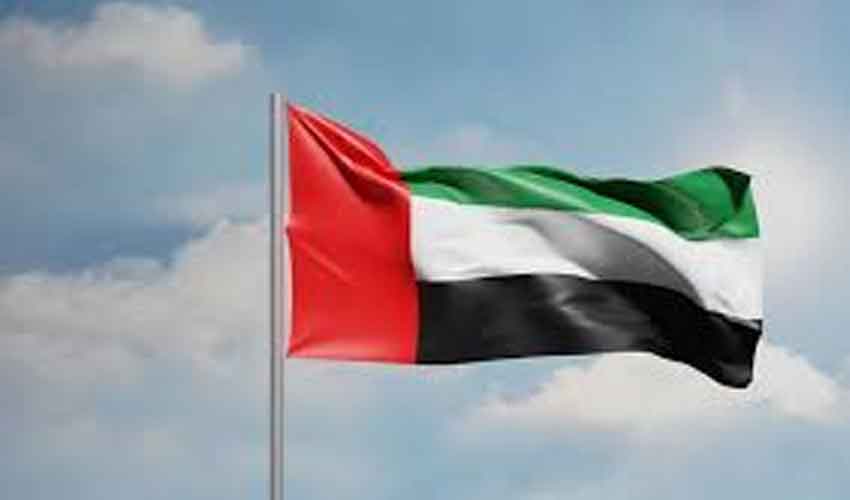
Meanwhile, the United Arab Emirates shut down its Habshan gas facility after intercepting missiles in what it described as a “terrorist attack” by Iran.
The escalation has triggered unprecedented disruption in global energy markets. Oil prices surged following the attack on South Pars, which is part of the world’s largest natural gas reserve shared between Iran and Qatar.
Also Read: Saudi Arabia reserves right to military action against Iran: FM
Iran’s threat to target oil and gas infrastructure across the Gulf, along with its closure of the Strait of Hormuz, has raised fears for nearly a fifth of global oil trade passing through the vital chokepoint.
A projectile struck a vessel near Qatar’s Ras Laffan LNG facility, about four nautical miles offshore, according to the UK Maritime Trade Operations. All crew members were reported safe, but the incident added to growing concerns over maritime security in the region.
Trump considers deploying more US troops
With no signs of de-escalation, Trump is considering sending thousands of additional US troops to the Middle East. Officials say the troops could be deployed to secure oil tanker routes and restore safe passage through the Strait of Hormuz.
Trump has also urged allies to help reopen the strait, though his request has so far been rejected.
An aerial attack targeted Saudi Arabia’s Red Sea port of Yanbu, a key oil export hub, though initial reports indicated minimal impact.
Iran’s Islamic Revolutionary Guard Corps issued evacuation warnings for several oil facilities across Saudi Arabia, the UAE, and Qatar, including the SAMREF joint venture between Aramco and ExxonMobil.
European Union leaders are set to discuss ways to address surging energy prices, which have risen more than 60% since the conflict began on February 28. However, officials acknowledge there are limited options to immediately stabilize markets.
Human cost of ongoing conflict
The war has resulted in significant casualties across the region. More than 3,000 people have been killed in Iran since US-Israeli strikes began, according to the Human Rights Activists News Agency (HRANA).
In Lebanon, around 900 people have died and 800,000 have been displaced, while Iranian attacks have also caused casualties in Iraq and Gulf states.
At least 13 US military personnel have been killed during the conflict.
Iran has continued targeting US military and diplomatic facilities across the Gulf, warning neighbouring countries against hosting attacks on its territory.
As tensions escalate, the region faces mounting instability with no immediate signs of de-escalation.

.jpg)