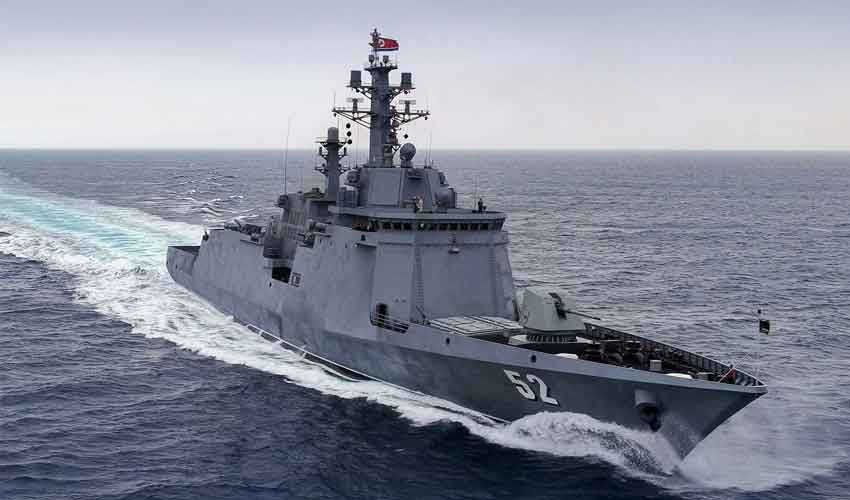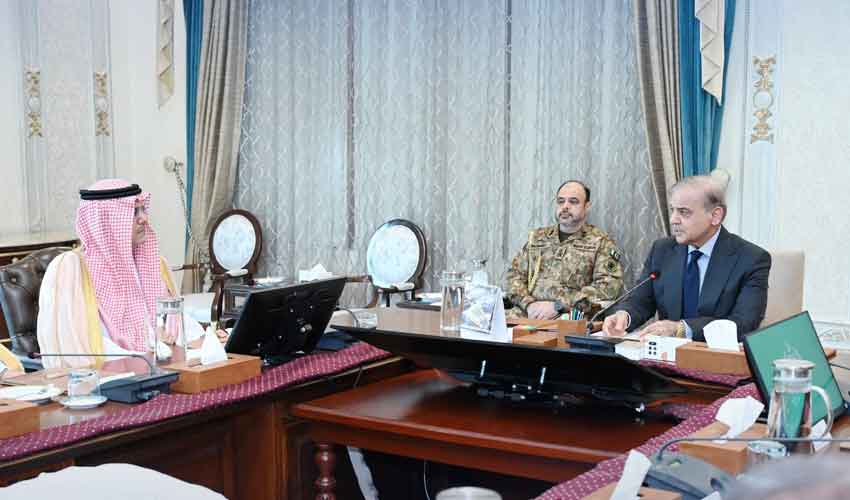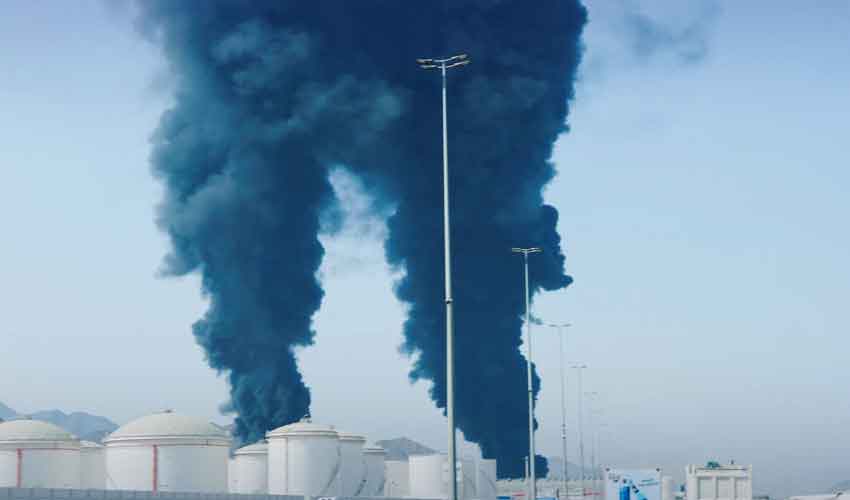
The ongoing war involving Iran, the United States, and Israel could deal a severe economic blow to the Gulf’s largest economies if the conflict continues, economists warn.
Disruptions to oil and gas exports through the Strait of Hormuz are raising fears of deep economic contractions across the region.
The Iran war threatens to deal significant damage to major Gulf economies, including Saudi Arabia, the United Arab Emirates, and Qatar, if the conflict does not end soon.
According to Goldman Sachs economist Farouk Soussa, Qatar and Kuwait could see their gross domestic product shrink by 14% this year if the war continues into April and causes a two-month halt in shipping through the Strait of Hormuz.
Such a contraction would represent the worst economic slump for those countries since the early 1990s, when Iraq’s invasion of Kuwait triggered the Gulf War and caused major upheaval in global oil markets.
Saudi Arabia, UAE expected to suffer smaller contractions
Saudi Arabia and the United Arab Emirates are expected to weather the crisis somewhat better because they have the ability to reroute oil exports away from the Strait of Hormuz.
Even so, their economies would still likely take a hit. Economists estimate Saudi Arabia’s GDP could fall by about 3%, while the UAE could see a decline of around 5%.
That would still mark their largest economic shock since the COVID-19 pandemic in 2020.
“For many Gulf economies, the war could have a bigger near-term impact than Covid-19,” said Soussa, Goldman Sachs’ economist for the Middle East and North Africa.
He added that while economies would eventually recover, the conflict could leave lasting scars on business confidence and investment.
War creates double blow for oil, non-oil sectors
The situation presents what analysts describe as a nightmare scenario for Gulf countries. Not only are energy exports under threat, but the non-oil sectors, including tourism, real estate, and foreign investment, are also facing disruptions.
The war has shown little sign of easing in its third week, with Iran continuing to launch strikes against neighboring countries in retaliation for US and Israeli bombings.
The United States struck military sites on Iran’s Kharg Island, a major crude export hub, over the weekend.
Washington also warned it would target Iran’s energy facilities if Tehran continues to disrupt traffic in the Strait of Hormuz, a vital shipping route through which about 20% of the world’s oil exports pass.
Amid the disruption, Brent crude prices surged above $103 per barrel on March 13 as shipments through Hormuz slowed and oil output was shut in by producers including Saudi Arabia and the UAE.
Energy, industrial sectors already feeling impact
The conflict has also shaken global gas markets, particularly after a sharp decline in Qatar’s liquefied natural gas (LNG) exports.
Meanwhile, Bahrain has begun cutting production at the world’s largest aluminium smelter, partly due to the disruption of shipping routes through Hormuz.
Economist Farouk Soussa said prolonged disruptions could cause the most severe damage to oil-dependent economies such as Qatar, Kuwait, and Bahrain.
The outlook appears slightly more stable for Saudi Arabia, according to several economists who spoke to Bloomberg. The kingdom has successfully intercepted most Iranian strikes, while its airspace and businesses remain open with only limited disruptions.
If that continues, the country’s biggest immediate economic challenge may be a larger fiscal deficit in the first quarter due to weaker government revenues, according to Monica Malik of Abu Dhabi Commercial Bank and Azad Zangana of Oxford Economics.
Higher oil prices may improve Saudi finances
Despite the risks, some economists say Saudi Arabia could actually perform better than expected in 2026 if oil prices remain elevated.
According to analysts cited by Bloomberg, the kingdom’s budget deficit may end up smaller than earlier projections if exports remain strong.
Tim Callen, a visiting scholar at the Arab Gulf States Institute in Washington, estimates that the annual deficit could shrink by 1% if Saudi oil output averages around 7.5 million barrels per day and Brent crude remains near $90 per barrel.
The Saudi government has forecast a budget deficit of 3.3% for 2026.
Elsewhere in the region, the United Arab Emirates is still expected to record a budget surplus this year, according to Mohamed Abu Basha of EFG Hermes. However, Qatar’s budget deficit could widen, reflecting the country’s greater reliance on shipping routes affected by the conflict.
At the same time, Gulf governments may increasingly turn to international debt markets to manage fiscal pressures.
Investors remain cautious
Despite the uncertainty, bond investors have not yet shown major concern about the war’s impact on regional finances. Fady Gendy, a portfolio manager at Arqaam Capital, said markets currently believe the conflict will remain relatively short.
“It’d be a concern if the conflict simmers on for a prolonged period, which is not what is currently priced into the market,” he said.