



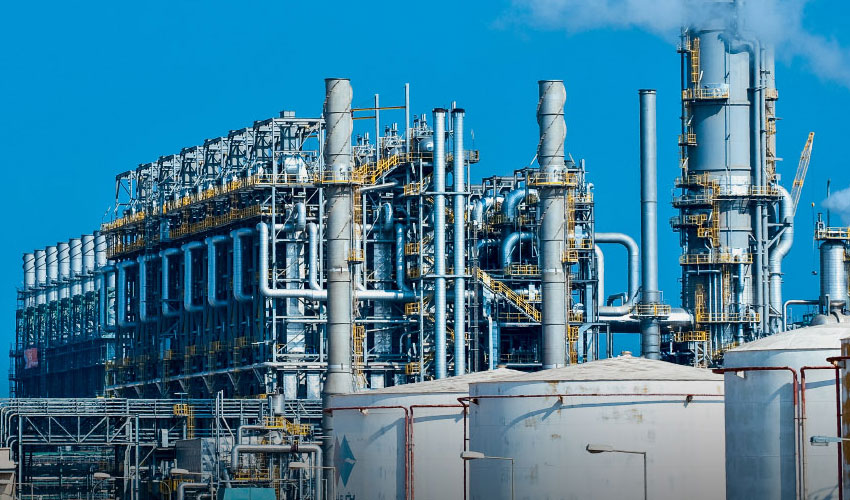
A dyeing and sizing unit operating inside Mehmood Abad - a densely populated residential area - has become a daily grind for local inhabitants.
Cracked roads remain flooded with untreated wastewater discharged from the unit, while sewerage pipelines have been choked for decades. Black soot constantly settles on rooftops and walls, and the relentless noise has left children and the elderly distressed and irritated.
However, Mehmood Abad is not an exception. Across Faisalabad, residential neighborhoods have gradually turned into industrial pockets where environmental safeguards, zoning rules, and labor regulations are routinely ignored. This has caused massive destruction to infrastructure and compromised environmental protection. It was not always like this; Faisalabad was once known as a well-disciplined, "clean and green" city, planned during the colonial canal colony era.
From Canal Colony to the 'Manchester of Pakistan'
Established in 1892 as Lyallpur in the vast "Bar" region between the Ravi and Chenab rivers, the city originally featured fertile land and hardworking farming communities. British colonial administrators revolutionized the region through a canal irrigation system. By 1893, these canals brought water to previously barren tracts, converting them into productive agricultural fields where wheat and cotton flourished.
Cotton quickly became the primary economic driver, leading to the emergence of ginning factories, textile mills, and power looms. This shifted the settlement from an agrarian base to one of South Asia’s major textile hubs. After independence, the textile and garment sectors expanded rapidly, cementing Faisalabad’s nickname as the "Manchester of Pakistan."
The Urban-Industrial Overlap
While industrial growth boosted the economy—with Faisalabad now contributing approximately $18 billion annually in textile exports—it profoundly altered the city's urban fabric. Air pollution, untreated wastewater, chemical emissions, and heavy industrial traffic have increasingly strained public health.
Over time, a hybrid urban system developed where industrial and residential zones overlapped. Workers relocated closer to factories for convenience, while small-scale industries set up shop in densely populated neighborhoods. This lack of segregation has led to contaminated water, soil, and air, causing respiratory disorders, skin problems, asthma, and even cancer.
A New Policy for Relocation
A recent tragic explosion at a glue factory in Malikpur underscored the dangers of hazardous industrial activities in residential areas. In response, the Faisalabad commissioner, Jahangir Anwar, announced a historic policy decision: hazardous industries operating in densely populated areas must be relocated to mitigate public safety risks.
* The Scale: Officials estimate that around 65,000 industrial units currently operate in residential or mixed-use zones.
* The Committee: A dedicated District Industrial Relocation Committee (DIRC) has been formed to oversee the process.
* Priority Units: A preliminary survey has identified 152 hazardous industries, including boiler-operating units and "wet" industries, for priority relocation.
* Proposed Zones: The plan involves establishing four major industrial zones.
Challenges and Stakeholder Perspectives
The Deputy Director of Environment, Mr. Usman, and the Director of Industries, Mr. Irfan, noted that relocation will proceed in phases: first hazardous units, then small-scale units, and finally food-related industries.
However, the transition faces hurdles:
* Space Constraints: The Director General of the Faisalabad Development Authority (FDA), Mr. Asif Chaudhry, pointed out a lack of space in existing estates like the Allama Iqbal Industrial Estate. He emphasized that the City Master Plan 2025 must be the supreme guiding document.
* Economic Safeguards: APTMA representative Abdul Ghafoor called for a sustainable plan with incentives to protect sensitive machinery. He also argued that cottage industries should remain exempt, as they provide vital income for women working from home.
A Question of Accountability
As Faisalabad stands at a crossroads between climate resilience and industrial growth, a crucial question remains: Who allowed these industries to flourish in residential areas in the first place? For decades, No Objection Certificates (NOCs) were issued on political grounds and regulations were overlooked. If relocation is the solution for the future, accountability must address the past. Without transparency regarding those who failed to regulate these units, the deeper governance failures may continue to haunt the city.


.jpg)