Prime Minister Shehbaz Sharif addressed the nation, warning that the escalating conflict in the Middle East is creating serious challenges for global peace and the economy.
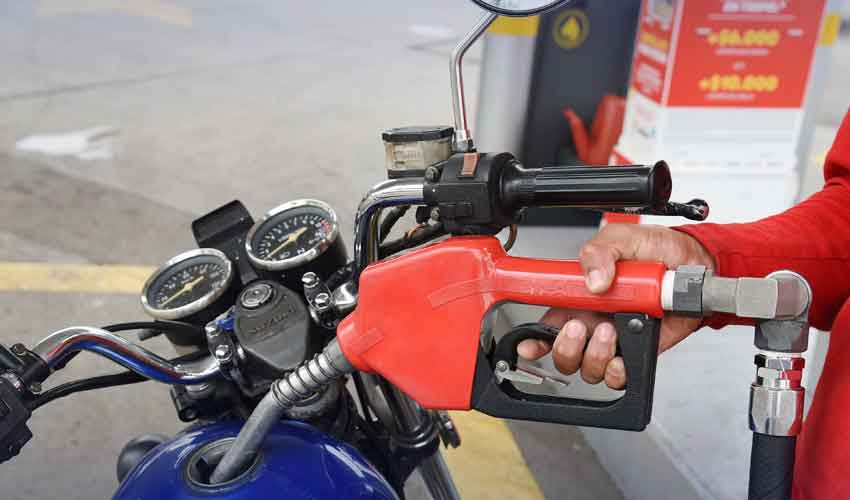
He announced major austerity and energy-saving measures to stabilize Pakistan’s economy as global oil prices surge past $100 per barrel.
The prime minister said the Middle East is currently facing a severe war situation, which has raised serious concerns about global peace. He strongly condemned the Israeli attacks in Iran, calling them deeply troubling.
Shehbaz Sharif said the government and people of Pakistan are deeply saddened by the martyrdom of Ayatollah Ali Khamenei, his family members and innocent Iranian citizens who lost their lives in the attacks.
He also condemned attacks reported in Saudi Arabia, Oman, Qatar and Dubai, adding that Pakistan stands firmly with its brotherly countries during this difficult time.
Pakistan, he said, is trying to resolve issues through dialogue, deliberation and diplomacy.
Global oil price surge threatens economic stability
The prime minister warned that crude oil prices in the global market have suddenly risen above $100. If the conflict continues to escalate, he said, oil prices could increase further and spiral out of control.
He reminded citizens that daily life in Pakistan depends heavily on oil imports from Gulf countries, and Pakistan has no control over global oil and gas prices.
“Difficult situations have arisen again globally, and their effects are being felt in Pakistan as well,” he said.
Despite the rising global pressures, Shehbaz assured the public that the government will work to keep Pakistan’s economy stable. He admitted that the recent increase in petrol prices was made with a heavy heart.
Also Read: Punjab suspends official fuel for provincial ministers until crisis ends
According to the prime minister, he had been advised to increase petrol and diesel prices much more than the current increase, but the government chose a middle path to reduce the burden on the public.
He recalled that even when Pakistan was on the verge of bankruptcy, the government prioritized the state over political interests.
Warning of further oil price increases
The prime minister cautioned that oil prices are likely to rise again in the coming days, making another increase inevitable. However, he pledged to make every effort to ensure that the burden of future price hikes does not fall entirely on the people.
He also called on the elite and privileged classes to step forward and share responsibility during these challenging times.
Government austerity plan
Shehbaz Sharif announced that important austerity decisions have been taken jointly by federal and provincial governments. To reduce government expenditure, oil supplied to vehicles of government departments will be cut by 50% for the next two months.
In addition, 60% of government department vehicles will remain off the roads during this period.
Salary cuts, suspension of perks
As part of the austerity drive, the prime minister announced that cabinet members, ministers, advisers and special assistants will not take salaries for the next two months. Members of parliament will face a 25% reduction in salaries.
Officers above Grade 20 with salaries exceeding Rs300,000 will have two days’ salary deducted.
Also Read: PM Shehbaz orders nationwide austerity measures
The government has also imposed strict restrictions on official spending. According to the prime minister, foreign visits by federal and provincial ministers, advisers, special assistants and government officials will be banned. The ban will also apply to the prime minister, chief ministers and governors.
Additionally, a complete ban has been imposed on official dinners and iftar parties. To reduce expenses further, seminars and conferences will be held in government buildings instead of hotels.
Energy conservation measures
The government has also introduced several energy-saving measures affecting both public and private sectors. Under the new plan, 50% of employees in government institutions will work from home.
Government offices will also operate only four days a week to conserve energy, while an additional holiday is being given a week as well, which would not apply to banks. Work-from-home and additional holiday decisions will not apply to the industrial and agricultural sectors, he added.
Schools to close, shift to online classes
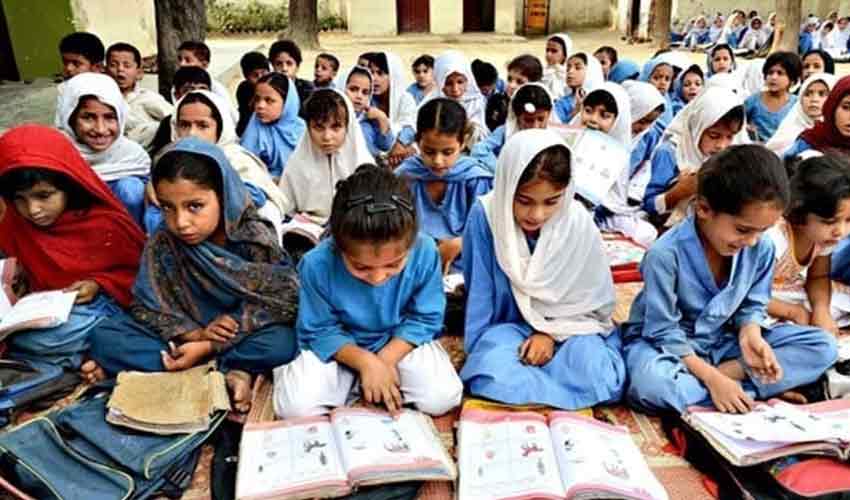
To further reduce energy consumption, the prime minister announced that all schools will be given a two-week holiday starting from the end of this week.
During this period, online classes will be introduced in all educational institutions to ensure academic continuity.
Shehbaz Sharif said the government is taking these steps to manage the economic fallout of the global crisis while protecting the public from excessive financial burden.
He reiterated that the government will continue working to maintain economic stability and provide relief to citizens despite the difficult international situation.
Also Read: Balochistan temporarily closes all schools and colleges from March 9 to 23
The PM also warned hoarders and profiteers not to take advantage of the situation; otherwise, they would face strict punishment.
"The world is facing new challenges, and the global balance of power is shifting, At this critical juncture, Pakistan needs unity, brotherhood, and a strong sense of responsibility," he emphasized.
He further said the blessed month of Ramazan teaches lessons of patience, brotherhood, selflessness, sacrifice, and collective responsibility, adding that a dignified nation was one that moved forward through mutual cooperation, especially during difficult times.





.jpg)