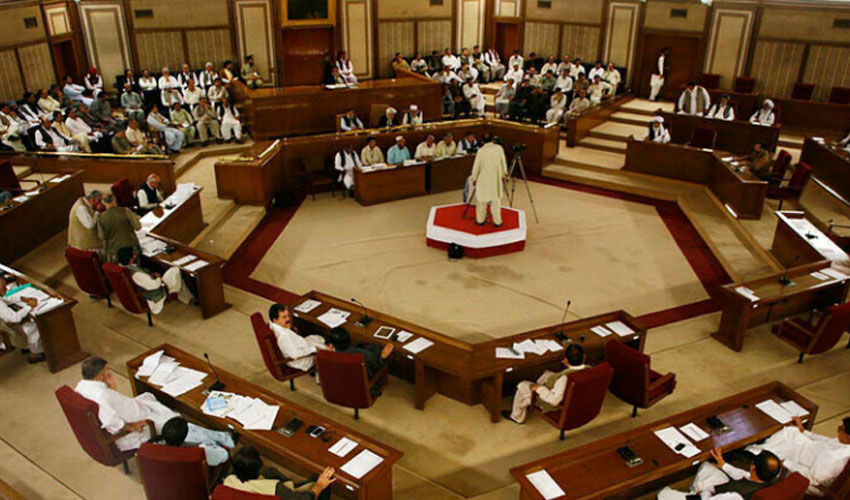
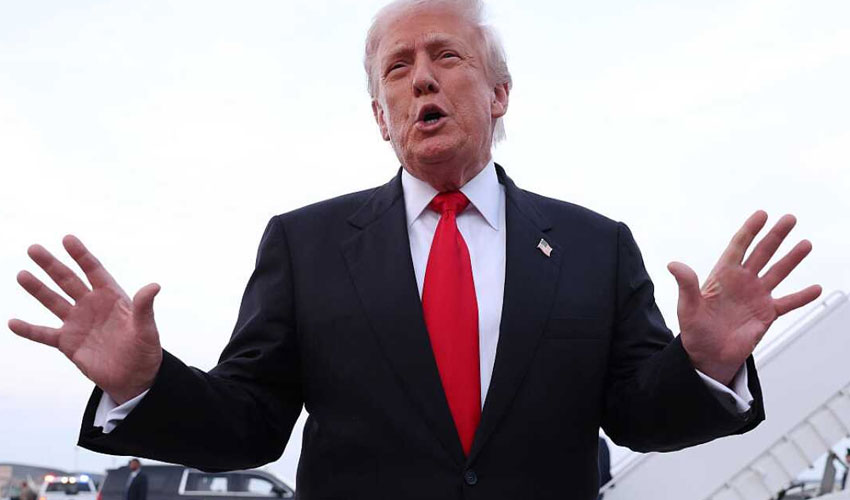
The US Senate on Wednesday overwhelmingly approved a $901 billion bill setting policy for the Pentagon, sending the legislation to the White House, where President Donald Trump is expected to sign it into law.
The fiscal 2026 National Defense Authorization Act (NDAA) represents a compromise between separate measures passed earlier this year in the House and Senate.
The bill authorizes a record $901 billion in military spending, including a 4% pay raise for service members, funding for military equipment, and initiatives aimed at maintaining competitiveness with global rivals China and Russia.
The Senate voted 77-20 in favor of the bill, reflecting broad bipartisan support. The House approved the legislation last week. In a departure from Trump’s preferences - despite Republicans holding majorities in both chambers - the NDAA includes provisions to strengthen security in Europe, even after Trump’s recent national security strategy signaled a more Russia-friendly stance and called for reassessing US-European relations.
The NDAA allocates $800 million to Ukraine over two years as part of the Ukraine Security Assistance Initiative, funding US companies for weapons supplied to Ukrainian forces.
It also authorizes the Baltic Security Initiative and provides $175 million to support defense in Latvia, Lithuania, and Estonia. Additionally, the bill restricts the Department of Defense from reducing US forces in Europe below 76,000 and bars the US European commander from relinquishing the NATO supreme commander title.
Congressional leaders noted the NDAA’s long-standing tradition, passed annually for more than six decades. Following a recent fatal crash between an Army Black Hawk and an American Airlines plane that killed 67 people, some senators proposed new helicopter safety rules, but opposition was not sufficient to delay the bill.
While the NDAA does not include Trump’s proposal to rename the Department of Defense as the Department of War - a change requiring congressional approval - it incorporates measures reflecting “culture war” priorities, including a ban on transgender women participating in women’s athletic programs at US military academies.





.jpg)