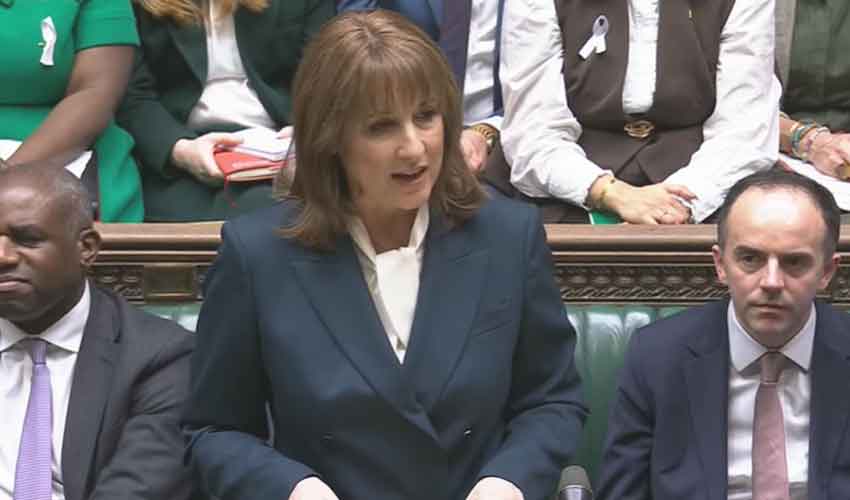
In a major fiscal move, United Kingdom Finance Minister Rachel Reeves has presented the 2025 Budget - announcing more than £26 billion in additional taxes as the government seeks to shore up public finances and expand its ‘fiscal headroom’.
Strikingly, the fiscal watchdog’s forecasts were published prematurely, ahead of Reeves’s speech, revealing that the government’s headroom - the buffer enabling extra spending or tax cuts while remaining within fiscal rules - is projected to reach nearly 22 billion pounds by 2029–30, more than double the £9.9 billion forecast in March.
In her statement, Reeves argued that the tax rises are necessary to close a deepening fiscal gap and fund expanded spending on welfare, infrastructure, and public services.
Key measures include:
- A freeze on personal income-tax and National Insurance thresholds until 2030–31, a move expected to raise £8 billion by 2029–30.
- Increased levies on dividends, savings income, and high-value properties — including a new “mansion tax.”
- Charging National Insurance on salary-sacrifice pension contributions, targeting savings of about £4.7 billion.
- Reform to fuel duty: the current freeze is extended until September 2026.
The reaction from markets was cautiously positive - UK borrowing costs fell and the pound initially strengthened, signalling investor confidence in the government’s fiscal direction.
But critics have voiced concern. Some say repeated tax hikes risk burdening households and businesses; others question whether the government’s growth forecasts - downgraded in the short term - justify stable long-term headroom.
Whether this balancing act will pay off depends heavily on economic growth, inflation trends, and whether households can absorb the added tax burden without stalling consumption or investment.





.jpg)