The inaugural Doha Film Festival launched powerfully with the screening of The Voice of Hind Rajab, an award-winning film that recounts the heartbreaking final phone call of a five-year-old Palestinian girl killed by Israeli fire in 2024 while attempting to flee Gaza with her family.
Just two months earlier, the film had earned the Silver Lion Grand Jury Prize at the Venice Film Festival.
Hind’s story triggered global outrage. She was travelling with her uncle, aunt, and cousins to escape the escalating violence when their car came under attack. Though severely injured, she managed to place a desperate call to Red Crescent volunteers seeking help, but was ultimately killed by Israeli fire.
Directed by Tunisian filmmaker Kaouther Ben Hania, the movie dramatizes the events surrounding the tragedy but incorporates Hind’s actual voice. The entire recording of her conversation with Red Crescent responders is included in the film.
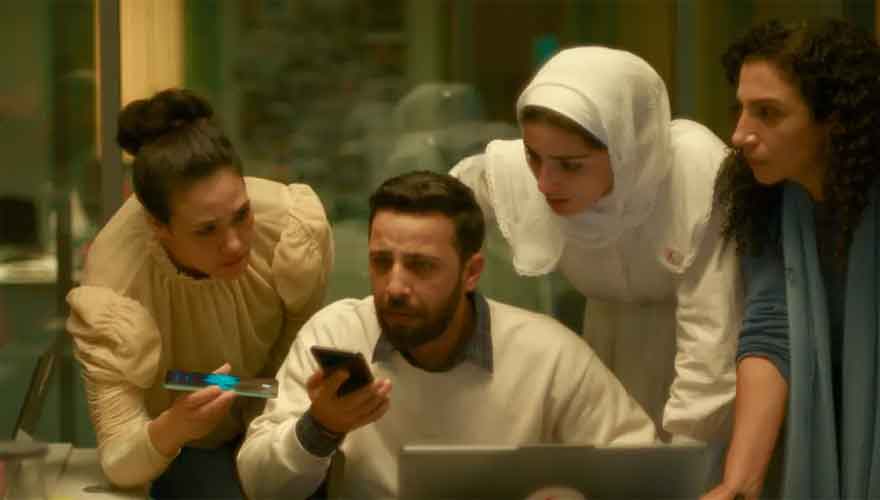
The production also depicts re-enacted scenes inside the Red Crescent office as volunteers spoke to the terrified child. While the cast delivers strong performances, it is Hind’s real voice—fragile, pleading, and echoing the cries of countless other Palestinian children—that delivers the most emotional impact. Gunfire from Israeli tanks can be heard in the background as she begs for help.
Speaking at the film’s opening, Hind’s mother said: “Since the passing of Hind, I keep searching for my daughter. She is gone, but I hear her voice every day. The voice of my daughter is the voice of the children of Gaza. Save the children of Gaza before its last light goes out.” She added that she has not watched the film and cannot bear to, saying, “I wish the children lived instead of becoming martyrs.”
Director Ben Hania told reporters she had been preparing a different film for February 2024 when she first learned of Hind’s case. Witnessing the devastation in Gaza, she began questioning the purpose of cinema. “I heard her voice, and it stayed with me as if she was asking me to help,” she said.
After contacting the Red Crescent, she was given access to the full audio recording, which later became central to the film. While she initially considered making a documentary, she felt a feature film would deliver a more profound emotional resonance—especially because Al Jazeera had already produced a documentary on the case.






.jpg)