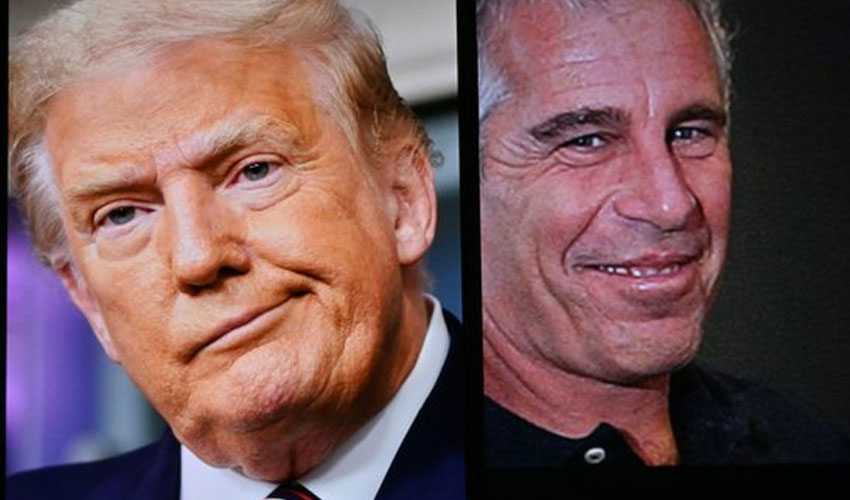
The Republican-controlled US Congress on Tuesday overwhelmingly voted to force the release of Justice Department files on the late financier and convicted sex offender Jeffrey Epstein — a move that President Donald Trump opposed for months before abruptly changing course this week.
The House passed the measure by 427-1, sending the resolution to the Senate, which approved it unanimously within hours. The bill could reach Trump’s desk as early as Wednesday, and a senior White House official confirmed the president intends to sign it.
The rapid legislative action stunned White House aides, who believed the Senate would take longer to move the bill forward.
Trump’s reversal followed months of political pressure and an internal Republican feud over the handling of the Epstein case, long a source of scrutiny due to the financier’s connections with influential figures and his 2019 jailhouse death, ruled a suicide.
Hours before the vote, around two dozen survivors of Epstein’s alleged abuse gathered at the US Capitol. Holding photos of themselves as teenagers, the women urged lawmakers to release the files and end what they described as years of institutional silence.
After the House vote, many stood in the public gallery, applauding through tears and embracing one another as the measure passed with overwhelming support.
One survivor, Jena-Lisa Jones, who said Epstein abused her at age 14, called directly on Trump to stop politicising the matter.
“Please stop making this political… I voted for you, but your behavior on this issue has been a national embarrassment,” she said.
Trump’s response
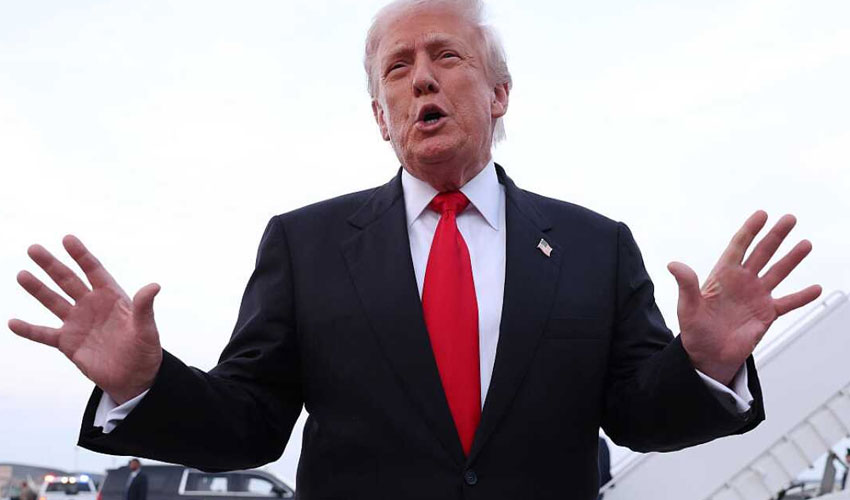
Despite agreeing to sign the bill, Trump expressed frustration over renewed attention on Epstein. When asked about the matter in the Oval Office, he lashed out at a reporter, calling them a “terrible person” and suggesting their news network should lose its licence.
“I have nothing to do with Jeffrey Epstein,” Trump said, adding that he expelled the financier from his club “many years ago because I thought he was a sick pervert.”
He also continued to dismiss the scandal as a “Democratic hoax”, even though Republican lawmakers, including those closest to him politically, are among the strongest voices demanding transparency.
Political fallout
Representative Thomas Massie, the Kentucky Republican who spearheaded the effort, accused the Justice Department of “protecting pedophiles and sex traffickers.”
“We will know this bill has been successful when rich men are in handcuffs,” he said.
Meanwhile, Representative Marjorie Taylor Greene revealed Trump pressured her to withdraw her support. After she refused, Trump publicly called her a “traitor,” souring a previously close political alliance.
A Reuters/Ipsos poll concluded Monday showed the fight had cost Trump politically: only 20% of voters approved of his handling of the issue, including 44% of Republicans — his lowest ratings this year.
Background
Epstein, a New York financier with deep connections among American elites, pleaded guilty to a Florida felony prostitution charge in 2008 and served 13 months. In 2019, the Justice Department charged him with sex trafficking of minors; he pleaded not guilty before his death in a Manhattan jail.
His long-standing social ties to Trump in the 1990s and early 2000s — before what Trump calls a personal “rift” — have continued to fuel speculation among both critics and supporters.





.jpg)