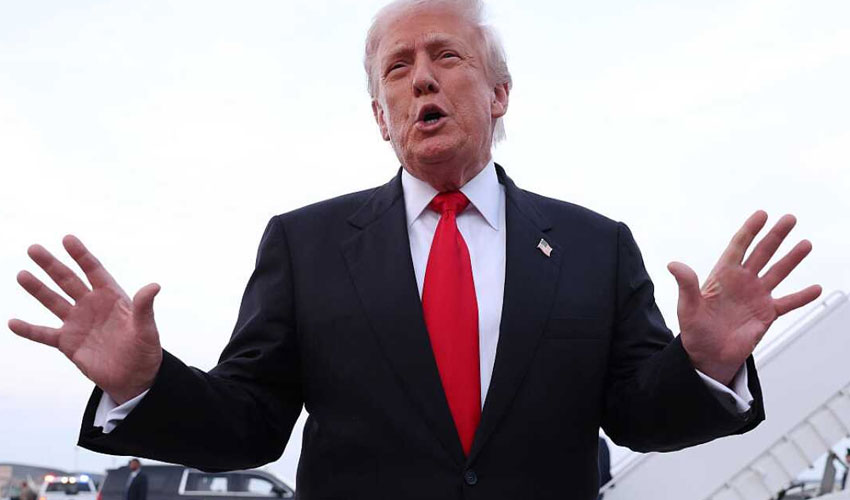
President Donald Trump has declared that the United States will boycott the G20 summit scheduled in Johannesburg on November 22–23, citing the treatment of white farmers in South Africa. Posting on Truth Social,
Trump called it a “total disgrace” that South Africa is hosting the summit and reiterated his claims of a “genocide” against Afrikaners, which have been rejected by South African authorities.
Trump wrote:
“Afrikaners are being killed and slaughtered, and their land and farms are being illegally confiscated… No US Government Official will attend as long as these Human Rights abuses continue. I look forward to hosting the 2026 G20 in Miami, Florida!”
US Vice President JD Vance, initially expected to represent Washington, will no longer travel to South Africa, according to sources familiar with his plans.
This move effectively leaves the US absent from the summit for the first time under the Trump administration.
Background on South Africa’s land policies
Trump’s boycott stems from the Expropriation Act, which allows South African authorities to acquire land without compensation in specific cases, such as abandoned property, to enable redistribution. President Cyril Ramaphosa insists this does not constitute confiscation.
In May, Trump had already granted asylum to 59 white South Africans, citing persecution, and used the issue to confront Ramaphosa during a White House meeting. Ramaphosa rejected the claims, noting the presence of white professionals and businessmen in South Africa, and called Trump’s allegations baseless.
Historians and officials have debunked the notion of a genocide against white farmers. Saul Dubow, a professor of Commonwealth history at the University of Cambridge, described Trump’s claims as “fantasy” and suggested the move may also be linked to South Africa filing a genocide case against Israel at the International Court of Justice.
Despite criticism, the Trump administration has prioritized white South Africans in its refugee resettlement program, even as the overall number of refugees admitted to the US was reduced to 7,500 annually.



.jpg)