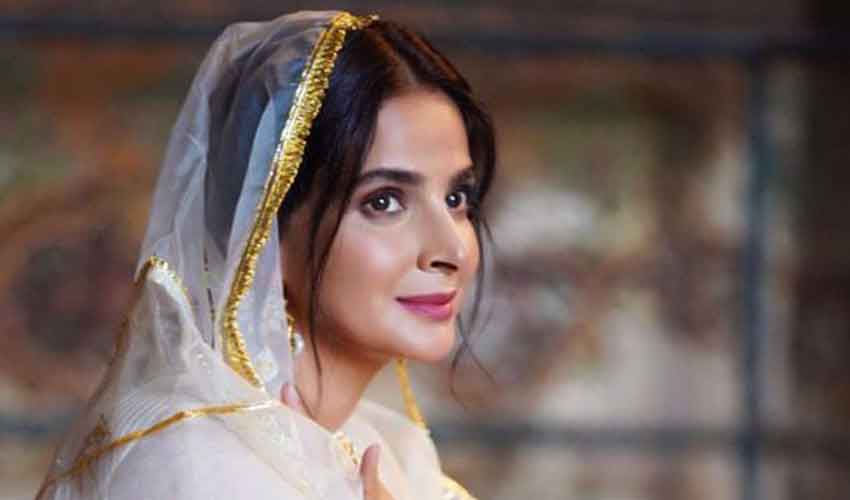
Actor Iqra Aziz has voiced her support for Bollywood actor Deepika Padukone, who has been at the center of a heated debate over the eight-hour workday policy in the Indian film industry.
The discussion gained momentum after reports emerged that Deepika had exited two major projects -- Sandeep Reddy Vanga’s Spirit and the sequel to Kalki 2898 AD -- allegedly after requesting an eight-hour work schedule. The move reignited conversations about work-life balance, gender bias, and the demanding culture of film sets.
Iqra Aziz: 'Mothers seeking balance should be supported'
Taking to Instagram Stories, Iqra shared a clip of Deepika’s recent interview with CNBC-TV18 where the actor defended her request for an eight-hour work shift. Alongside the video, Iqra penned a heartfelt note, commending Deepika for standing up for balance and fairness.

“The emphasis isn’t on the eight-hour shift, but on her perceived demanding nature,” Iqra wrote. “A mother striving for work-life balance should be supported. As long as she meets her commitments, her colleagues should be team players and respect her time.”
Iqra, who herself became a mother last year to her daughter Dua, echoed sentiments shared by many women in creative fields who struggle to balance personal life with the pressures of showbiz.
Deepika Padukone: 'Male stars have worked eight hours for years'
In her interview, Deepika Padukone addressed the backlash, calling out the double standards within the film industry. “By virtue of being a woman, if that’s coming across as being pushy or whatever, then so be it,” she said.
She pointed out that male superstars have long adhered to eight-hour schedules without controversy. “It is no secret that a lot of male superstars in the Indian film industry have been working for eight hours for years, and it’s never made headlines,” she said.
Deepika further added that the industry’s disorganised structure contributes to overwork and burnout. “It’s time we brought in some system into this culture,” she emphasized.
Hansal Mehta joins conversation
Renowned Indian filmmaker Hansal Mehta also weighed in on the discussion through a post on X (formerly Twitter), agreeing that long working hours have become unsustainable.
“In our line of work, a 12-hour day is politely called a ‘shift,’” Mehta wrote. “Between the chaos of shoots, endless commutes, hurried meals, and broken sleep, there’s little left of us. The normalization of 12-hour working days feels exploitative—it should be the exception, not the standard.”
His comments resonated widely within the industry, reigniting the debate on mental health, fair labor practices, and respect for creative workers’ personal boundaries.
Industry-wide reflection on work culture
Deepika’s stance has sparked a larger industry conversation about the need for standardized working hours and healthier work environments. Many argue that such reforms could help improve productivity and creativity while safeguarding workers’ physical and mental well-being.

.jpg)