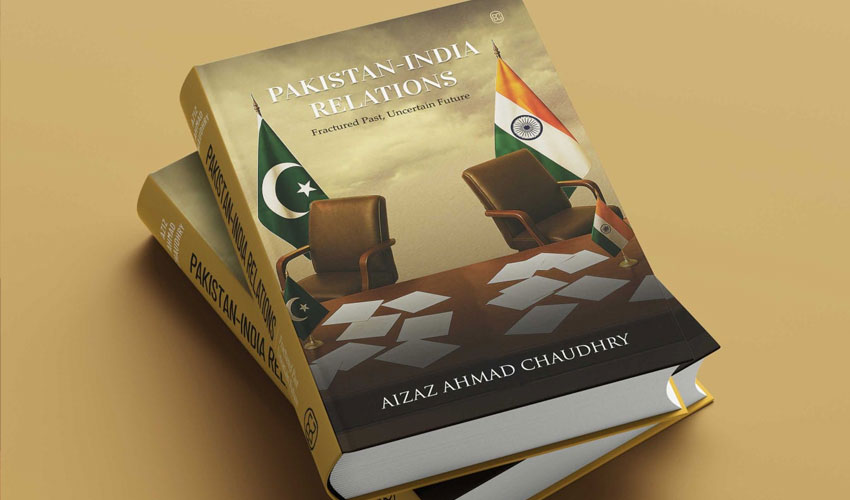
A new book examining the troubled relationship between Pakistan and India was launched in Islamabad.
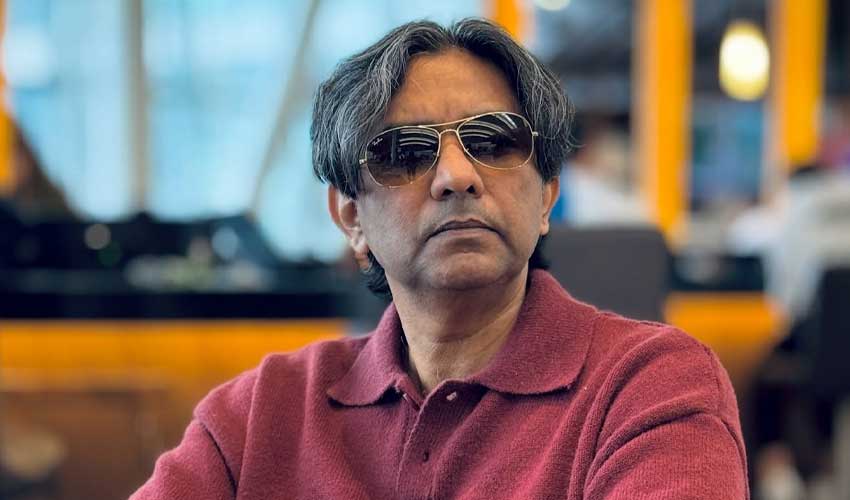
The book, Pakistan-India Relations – Fractured Past, Uncertain Future, authored by former diplomat Ambassador Aizaz Ahmad Chaudhry, explores the unresolved disputes that have defined the two neighbors’ ties.
Ambassador Chaudhry explained that the book raises a key question: is the failure to establish good neighbourliness rooted in Kashmir and terrorism disputes, or is there a larger dynamic at play? He highlighted India’s refusal to resolve the Kashmir issue, its politicization of terrorism, and its pursuit of regional dominance.
The book also revisits past missteps and considers whether a more hopeful future remains possible for South Asia.
Ata Tarar’s call for regional peace
Information Minister Ata Tarar, the chief guest at the launch, stressed that despite Pakistan’s consistent efforts for peace, relations remain overshadowed by mistrust due to India’s hegemonic policies.
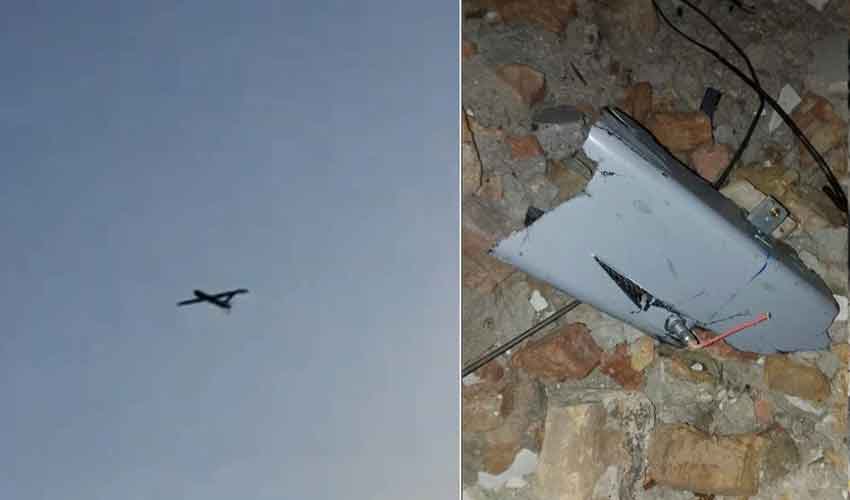
He recalled Pakistan’s firm response to India’s military aggression in May 2025, underlining that peace in South Asia can only be achieved when all states uphold mutual respect and sovereignty.

The Minister praised Ambassador Chaudhry for producing the book at a time when global understanding of South Asian tensions is crucial.
Voices from the Event
Institute of regional studies
Ambassador Jauhar Saleem, President of the Institute of Regional Studies (IRS), urged India’s leadership to abandon zero-sum thinking and adopt a framework of peaceful coexistence.
Political and strategic perspectives
Engineer Khurram Dastgir emphasized that Pakistan has endured hostility since independence, noting that under the Modi-led BJP, Hindutva-driven policies have intensified.
Murtaza Solangi, spokesperson for the President of Pakistan, highlighted the May 2025 confrontation covered in the book, calling India’s push for dominance a persistent threat to regional stability.
Academic and military insights
Lt. Gen. Aamer Riaz (retd), former NDU president, commended the book’s analysis of how India’s stance has stalled progress on Kashmir, while also exposing the politicized use of terrorism narratives.
Professor Arshi Saleem Hashmi of the National Defence University appreciated the book’s documentation of past agreements and confidence-building measures, suggesting they could guide future cooperation if India rethinks its approach.
The book launch, jointly organized by the Institute of Regional Studies and Sanober Institute Islamabad, was broadcast live and shared widely on social media.
By combining historical review with forward-looking analysis, Pakistan-India Relations – Fractured Past, Uncertain Future provides scholars, policymakers, and observers with a detailed resource at a time of renewed tensions in South Asia.



.jpg)