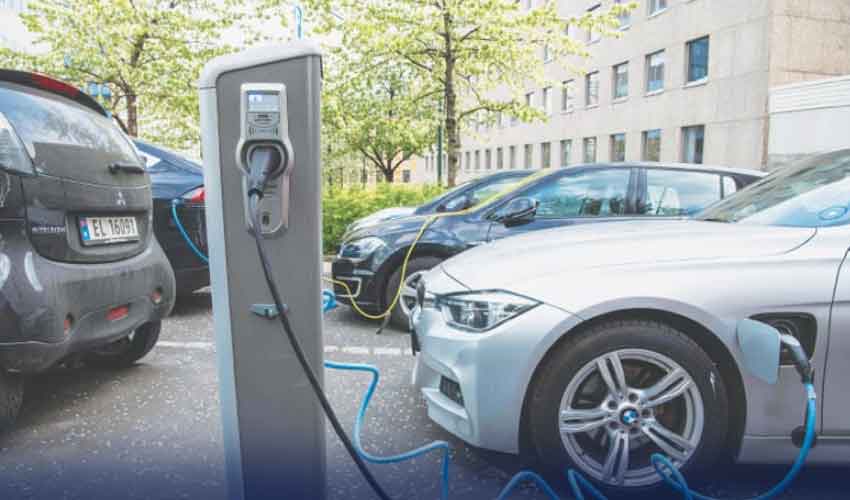
The federal government has outlined key targets under the New Energy Vehicle Policy 2025–30 to promote environmentally friendly transport and reduce reliance on fossil fuels.
According to details surfaced on Wednesday, the policy sets a target to increase the sale of electric vehicles by 30 per cent by the year 2030. The plan included the establishment of 3,000 charging stations nationwide, with measures in place to bridge the funding gap required for their development.
A subsidy scheme worth Rs122billion has been approved to support the adoption of electric vehicles. An allocation of Rs9billion has been made in the current financial year’s budget to initiate the scheme.
Funding will be generated through a levy of 1 to 3 per cent on conventional vehicles, to be collected under the New Electric Vehicle Adoption Levy (NEVAL), introduced via the Finance Bill 2025.
The policy aimed to introduce 116,000 electric motorbikes, 3,170 electric rickshaws and electric loaders over the next five years.
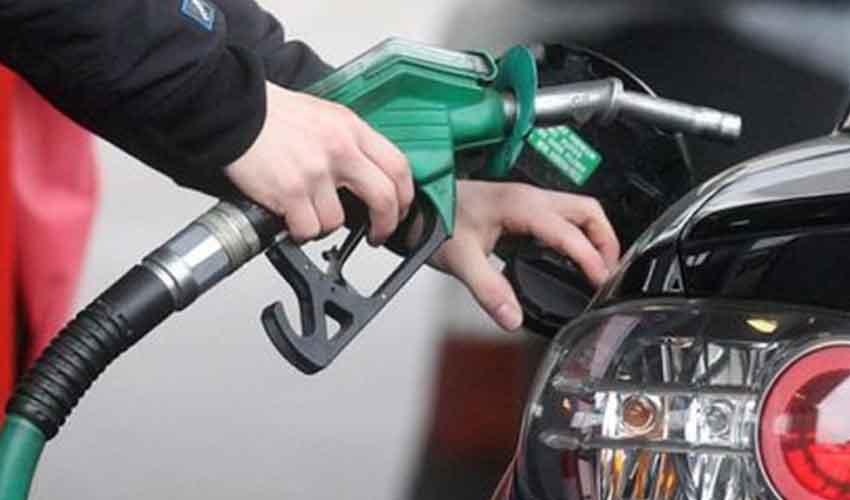
Priority has been given to electric vehicles over petrol and diesel models, with the government anticipating a reduction in the oil import bill and improvements in environmental quality.
The policy also focuses on ensuring safety, quality and environmental standards for electric vehicles.
According to the Ministry of Finance, this policy is aligned with Pakistan’s commitments under the Paris Agreement and is expected to support the country’s climate goals.
Implementation will take place in collaboration with provincial governments, and a comprehensive framework will guide the rapid expansion of the electric vehicle sector.
The policy is also expected to facilitate the effective use of surplus electricity, in addition to delivering environmental benefits.


.jpg)

.jpg)