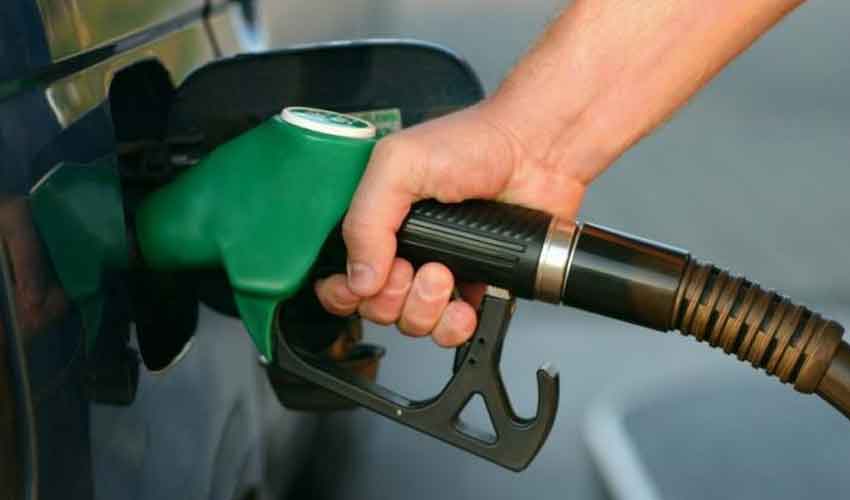
Oil markets saw significant volatility on Monday as concerns rose over the potential closure of the Strait of Hormuz by Iran. Brent crude prices initially surged by 5.7%, reaching $81.40 per barrel — the highest level in five months — before stabilizing later in the day at around $77.20 per barrel.
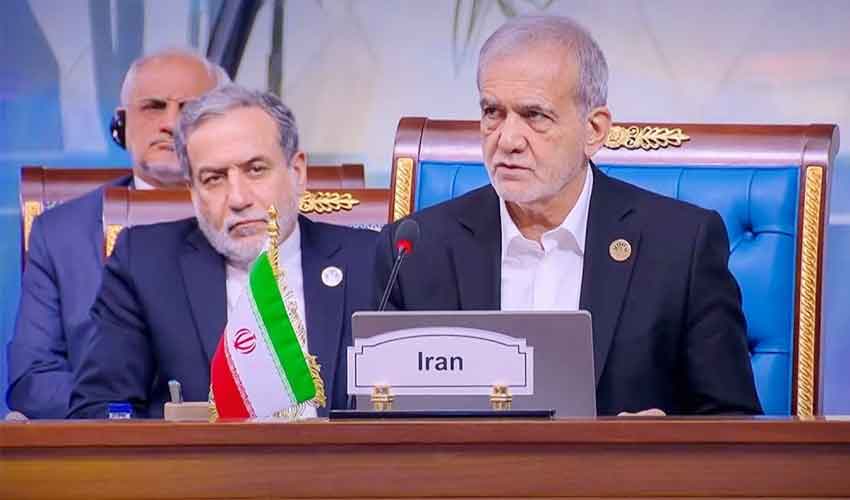
According to Iranian state television, the country's parliament has approved a proposal to shut down the Strait of Hormuz, though the final decision rests with Iran's Supreme National Security Council.
Read more:
Iran launches revenge strikes on Israel in response to B2 Bombers’ Fordow attack
Iranian parliament approves closure of Strait of Hormuz; final decision awaited
US joins Israel in Iran attacks; Fordow among three nuclear sites hit
Fact Check: Did US B-2 bombers use Pakistani airspace for Iran strike?
The Strait of Hormuz, a critical maritime chokepoint located between the Persian Gulf and the Gulf of Oman, is just 33 kilometers wide at its narrowest point. It is a vital passage for oil shipments from major producers like Saudi Arabia, the United Arab Emirates, Kuwait, and Iran to international markets.
Ole Hansen from Denmark’s Saxo Bank said oil traders are closely watching for Iran’s next move in response to recent U.S. and Israeli attacks.
Analysts at Goldman Sachs told Reuters that if Iran proceeds to close the Strait, Brent crude prices could potentially surge past $110 per barrel, triggering renewed turbulence in global oil markets.
The situation remains fluid, with the potential for serious global economic consequences if the vital oil route is blocked.
Must Read:
Pakistan condemns US strikes on Iran’s nuclear sites, affirms Tehran’s right to self-defense
How many US military bases are currently active in Middle East?
Airlines keep avoiding Middle East airspace after US attack on Iran
Iran seeks emergency UNSC meeting over US strikes on nuclear sites
US joins Israel in Iran attacks; Fordow among three nuclear sites hit
UN chief warns of ‘dangerous escalation’ after US strikes on Iran