The Pakistani rupee continued to show signs of pressure against the US dollar in both the interbank and open markets, as the country’s current account, which had posted a surplus for several consecutive months, slipped back into deficit in May.
According to data from the State Bank of Pakistan (SBP), the rupee lost 0.08% in the interbank market on Tuesday, settling at Rs283.41 against the greenback, compared to Rs283.17 a day earlier.
In the open market, the dollar became two and a half rupees more expensive over the past month, moving from Rs283.75 to Rs285.50.
Financial experts attribute the currency depreciation to a combination of domestic economic pressures and international geopolitical tensions.
Speaking to Samaa TV, Pakistan Stock Exchange (PSX) Director Ahmed Chinoy expressed confidence that the current trend was temporary. “There is optimism in the financial sector that the rupee will regain stability soon,” he said.
In the interbank market, the US dollar saw an increase of Rs1.69 over the past month, climbing from Rs281.81 to Rs283.50.
Meanwhile, Pakistan's external account position showed early signs of slippage. SBP figures revealed that the current account posted a deficit of $103 million in May, reversing the $47 million surplus recorded in April.
Despite this setback, the overall balance for the current fiscal year remains in positive territory. In the 11 months of FY2024-25, the country recorded a current account surplus of $1.81 billion. This contrasts significantly with the $1.57 billion deficit posted during the same period in the previous fiscal year.
Faraz Siddiqui, CEO of Transware, told Samaa TV that the deficit in May should not ring alarm bells. “Considering the cumulative surplus this fiscal year, a single-month deficit is within manageable limits,” he said, adding that the country’s balance of payments outlook remains broadly stable.
Global Headwinds Add Pressure
Globally, the US dollar edged higher against a basket of major currencies, with the dollar index firming slightly to 98.23. Investors remained cautious due to geopolitical instability, particularly in the Middle East, and awaited key central bank decisions.
In Japan, the yen traded at 144.70 per dollar ahead of the Bank of Japan’s monetary policy decision, where it is expected to maintain interest rates while slowing down bond purchase reductions in the upcoming fiscal cycle.
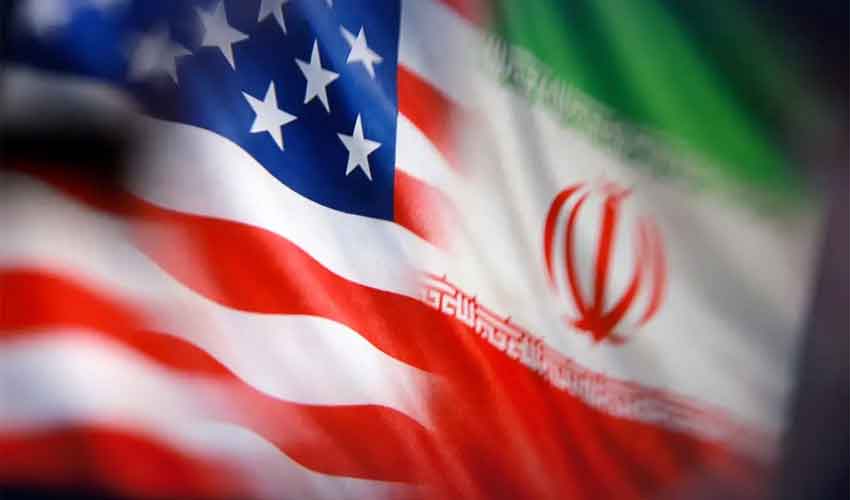
Geopolitical tensions intensified following developments involving the United States and Iran. The White House confirmed that former President Donald Trump left the G7 summit in Canada earlier than scheduled due to the evolving situation in the Middle East. The administration indicated it was preparing contingency plans amid rising uncertainty in the region.
Adding to global market concerns, oil prices climbed on Tuesday. Brent crude rose by 1.1% to $74.05 a barrel, while US West Texas Intermediate increased by a similar margin to $72.54. Analysts warned that any disruption to oil exports, particularly from Iran — a major OPEC producer — could significantly affect currency markets.
About 19 million barrels per day of oil and related products pass through the strategically vital Strait of Hormuz. Any disruption there could raise energy costs, widen Pakistan’s import bill, and place further pressure on the rupee.






.gif)

.jpg)