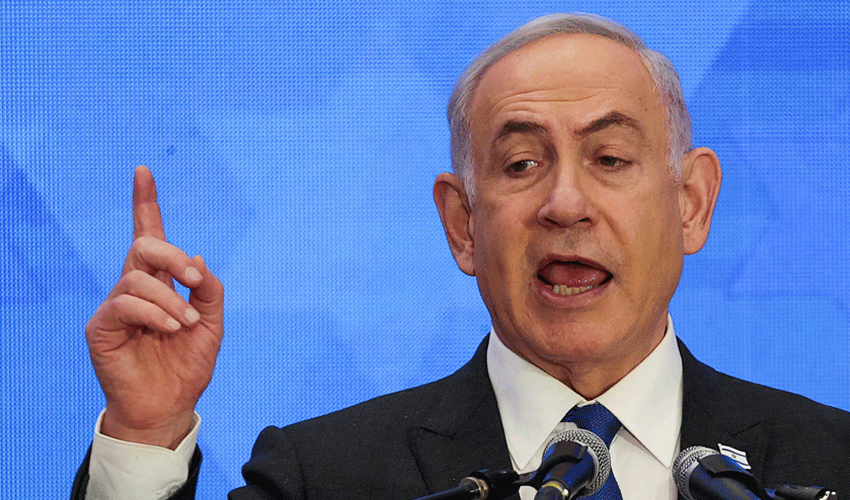
Israeli Prime Minister Benjamin Netanyahu on Wednesday declared that Israel would maintain full military control over the entire Gaza Strip following its latest offensive, outlining stringent and controversial conditions for ending the months-long war on the besieged Palestinian enclave.
In his first press conference since December, Netanyahu reiterated that Israel remains open to a temporary ceasefire and hostage exchange deal but laid down what many observers have termed “maximalist and unattainable” demands for a lasting end to the war. These include the unconditional release of all captives, complete disarmament of Hamas, exile of its leadership, and potentially implementing a controversial US-backed plan that could involve the forced expulsion of Palestinians from Gaza.
“This war will end when we achieve total victory — not a moment before,” Netanyahu said, adding, “Israel will retain security control over all of Gaza.”
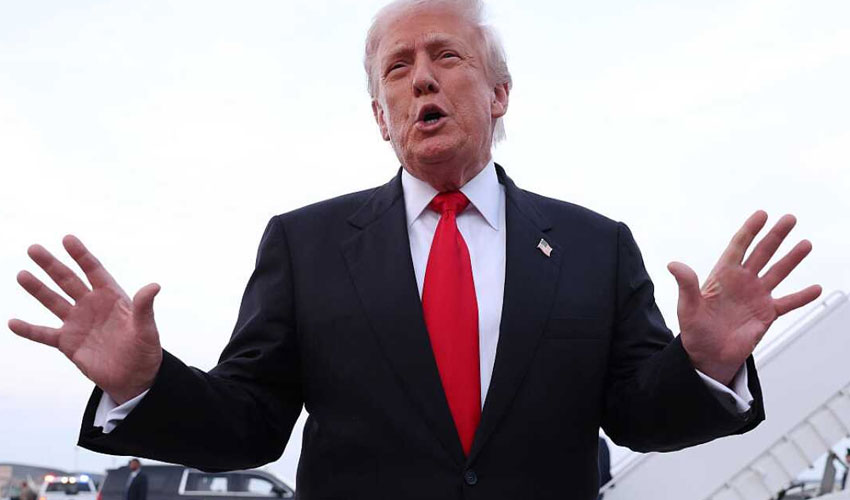
This is the first time Netanyahu has publicly referenced former US President Donald Trump’s February proposal, which suggested transforming Gaza into a tourism and investment hub, dubbed the “Riviera of the Middle East,” under foreign — possibly American — administration. The plan has drawn widespread condemnation from international human rights organisations and several governments, who view it as a form of ethnic cleansing.
Rising Death Toll and Humanitarian Catastrophe
The announcement comes amid intensifying Israeli bombardment across the Gaza Strip. At least 82 Palestinians have been killed since dawn on Wednesday alone, according to Palestinian health officials, with hundreds more reported dead in recent days. The offensive has continued despite growing international concerns over starvation and the humanitarian toll on Gaza’s 2.3 million residents.
A United Nations-backed Integrated Food Security Phase Classification report recently found that more than 93 per cent of children in Gaza — roughly 930,000 — are on the brink of famine. Despite this, Israel has maintained a near-total blockade of the territory since March 2, allowing only minimal humanitarian aid to trickle in.
On Wednesday, Israeli authorities said they had permitted 100 trucks carrying flour, baby formula, and medical supplies through the Kerem Shalom (Karem Abu Salem) crossing. However, UN officials said none of the aid had reached civilians due to persistent distribution blockages within Gaza.
Stephane Dujarric, spokesperson for the UN Secretary-General, noted: “The limited supplies finally being allowed to enter are nowhere near enough to meet the needs in Gaza, which are vast and urgent.”
Aid agencies and humanitarian groups echoed this concern, calling the aid entry a “smokescreen.”
“This is not a genuine humanitarian gesture — it’s an effort to avoid being accused of deliberate starvation while ensuring people in Gaza remain barely alive,” said Pascale Coissard, emergency coordinator for Doctors Without Borders in Khan Younis.
Domestic Backlash and Political Turmoil
Netanyahu’s comments have triggered sharp backlash from opposition leaders in Israel, who criticised his leadership amid an escalating humanitarian and military crisis.
“His words today mean occupation of Gaza for years and daily casualties among our soldiers,” said opposition leader Yair Lapid, warning that Israel’s global standing and economic stability would be at serious risk.
Yair Golan, leader of the centre-left Democrats party, was even more scathing in his assessment: “I saw a presentation by a pressured, obsessed, lying man who takes no responsibility for anything,” he said. Golan also announced plans to sue Netanyahu for defamation over comments made during the press conference.
The tensions between the two flared a day earlier when Golan accused the Israeli government of inhumane conduct, stating that “a sane country … does not kill babies as a hobby.” Netanyahu denounced the comment as “appalling.”
International Concern Mounts
The Israeli prime minister’s insistence on total military control and the revival of Trump-era plans has drawn alarm from rights organisations and international observers. Many fear that continued operations and blockade policies could amount to collective punishment and may worsen the humanitarian crisis already gripping Gaza.


.jpg)