The ongoing consultation process between Pakistan and the International Monetary Fund (IMF) has entered its final stage ahead of the presentation of the federal budget for the fiscal year 2025-26.
The IMF has emphasized the need for Pakistan to fast-track the privatization and rightsizing of state-owned enterprises as part of broader economic reforms.
According to official sources, the IMF is urging Pakistan to expedite the divestment of government-run institutions and reduce state influence in the commercial sector. Pakistani authorities informed the IMF that the rightsizing of public sector entities will be completed by December 2025.
According to documents, officials have expressed confidence that the privatization of Pakistan International Airlines (PIA) will conclude within the current year. Key hurdles, including investor concerns related to tax liabilities and negative equity, have reportedly been resolved. Additionally, the European Union’s expected lifting of its ban on PIA flights has been factored into the privatization strategy.
A financial adviser has also been appointed for the privatization of three major electricity distribution companies: Islamabad Electric Supply Company (IESCO), Faisalabad Electric Supply Company (FESCO), and Gujranwala Electric Power Company (GEPCO). The target is to complete the privatization of these companies by December 2025.
In the second phase, the government plans to privatize the Hyderabad, Sukkur, and Peshawar electricity distribution companies. Meanwhile, the privatization of the Nandipur Power Plant has been scheduled for January 2026.
Efforts are also underway to privatize other government-owned commercial assets, including the Roosevelt Hotel in New York, the First Women Bank, and the House Building Finance Corporation (HBFC). The Privatization Commission confirmed that the transaction structure for these entities is being finalized.
According to officials, the privatization of profitable public enterprises remains a top priority in line with the government’s broader goal of reducing state involvement and attracting private investment.
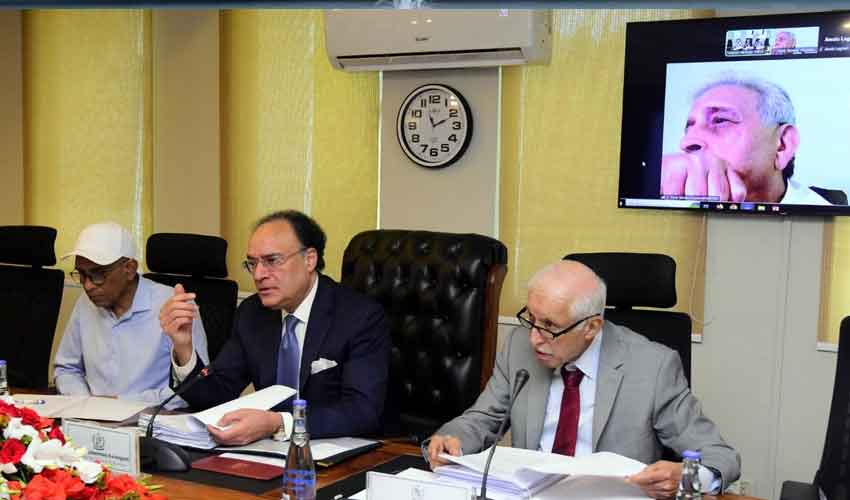
As part of the ongoing negotiations, an IMF delegation led by regional director for the Middle East and Central Asia, Jihad Azour, met with Finance Minister Muhammad Aurangzeb in Islamabad. The outgoing IMF mission chief Nathan Porter and his successor were also present, alongside senior officials from Pakistan’s economic team, including the finance secretary.
During the meeting, Finance Minister Aurangzeb briefed the IMF team on Pakistan’s current economic trajectory, fiscal challenges, and the government’s commitment to reforms. He reaffirmed Pakistan’s determination to adhere to the IMF loan program and continue pursuing macroeconomic stability.


.jpg)