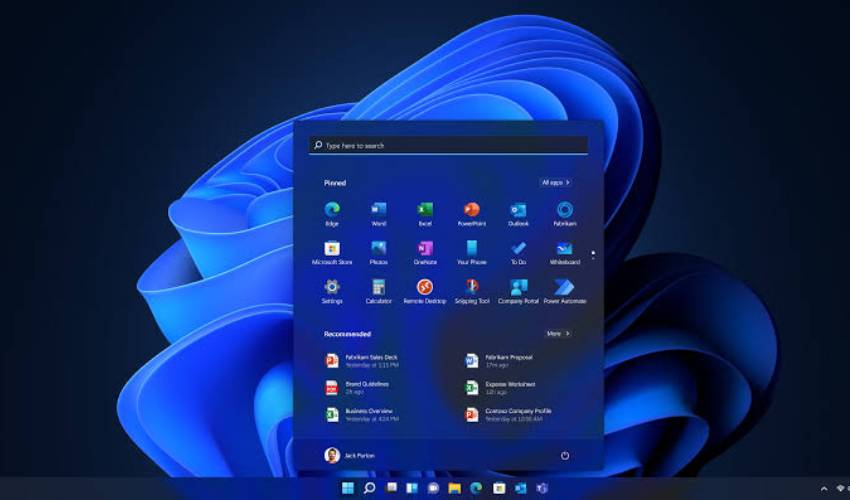
Microsoft has given millions of Windows 10 users more breathing room before they need to switch to Windows 11, extending security support for eligible personal computers by another year.
The move allows users to keep receiving critical security updates until October 12, 2027.
Windows 10, which launched in July 2015, officially reached the end of support on October 14, 2025. After that date, users were encouraged to upgrade to Windows 11, move to Microsoft's cloud-based options, or enroll in the Windows 10 Extended Security Updates (ESU) program.
The ESU program for personal-use devices was originally scheduled to end on October 13, 2026. However, Microsoft has now extended the program by one more year.
According to an update to the Windows 10 ESU documentation, eligible users can now receive critical security updates until October 12, 2027. Users who are already enrolled in the program will automatically receive the extended coverage without needing to take any additional steps.
Microsoft said users can enroll in the ESU program at any time before it ends in October 2027, allowing those who are not yet ready to upgrade to Windows 11 additional time to make the transition.
To qualify, devices must be running Windows 10 version 22H2, including the Home, Pro, Pro Education, or Pro for Workstations editions, with the latest updates installed.
Users must also sign in with an administrator-level Microsoft account. Devices using local accounts must switch to a Microsoft account, while child accounts are not eligible for enrollment.
Three ways to enroll in ESU
Microsoft has provided three options for joining the Extended Security Updates program:
Enable Windows Backup
Users can activate Windows Backup to enroll in ESU at no additional cost.
Redeem Microsoft Rewards
Those with sufficient Microsoft Rewards points can use 1,000 points to access the program.
Purchase an ESU License
Users can also buy a one-year ESU license for $30, plus applicable taxes. Once enrolled, an existing ESU license can be used on up to 10 eligible devices.
What happens after October 2027?
Once the extended deadline expires on October 12, 2027, Microsoft will stop providing security updates and technical support for Windows 10.
Although Windows 10 PCs will continue to function, they will become more vulnerable to malware, viruses, and other security threats. Businesses that continue using Windows 10 after support ends could also face compliance challenges, while some applications may gradually lose compatibility as the operating system no longer receives feature updates.
Microsoft noted that some products will continue receiving limited support beyond Windows 10's final ESU deadline.
Microsoft Defender Antivirus will continue receiving security updates until October 2028. Microsoft 365 applications will continue to receive security updates through October 2028, while feature updates for Microsoft 365 on Windows 10 will remain available until August 2026. Microsoft said these measures are intended to help users transition to Windows 11 rather than serve as long-term support
Despite extending Windows 10 security updates, Microsoft continues to encourage users to move to Windows 11 or purchase a new Copilot+ PC.
The company also recommends using Windows Backup to transfer personal files, photos, and settings, allowing users to restore their data quickly when signing into a new Windows 11 device.







.jpeg)