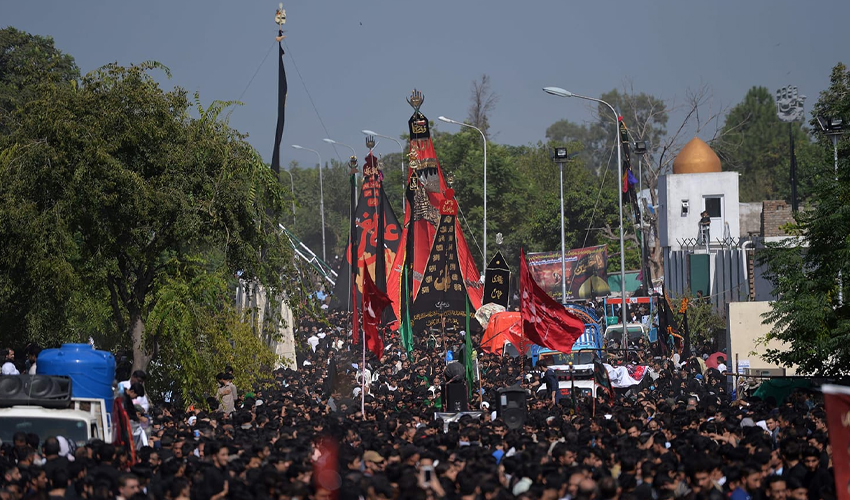
The United States launched a second consecutive night of military strikes on Iran on Saturday, saying the attacks were in response to another alleged drone strike on a commercial oil tanker in the Strait of Hormuz.
The renewed military action signals growing strain on the fragile ceasefire established under a June 17 memorandum of understanding (MoU) between Washington and Tehran, with both sides accusing each other of violating the agreement.
In a statement, the US Central Command (CENTCOM) said the strikes were ordered by President Donald Trump in response to what it described as continued Iranian attacks on commercial shipping.
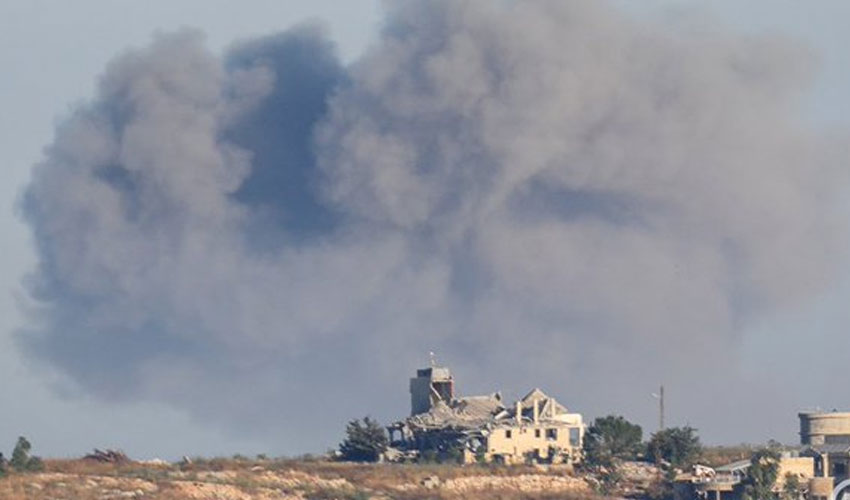
According to CENTCOM, US military aircraft targeted Iranian military surveillance infrastructure, communication systems, air defence sites, drone storage facilities and minelayer capabilities.
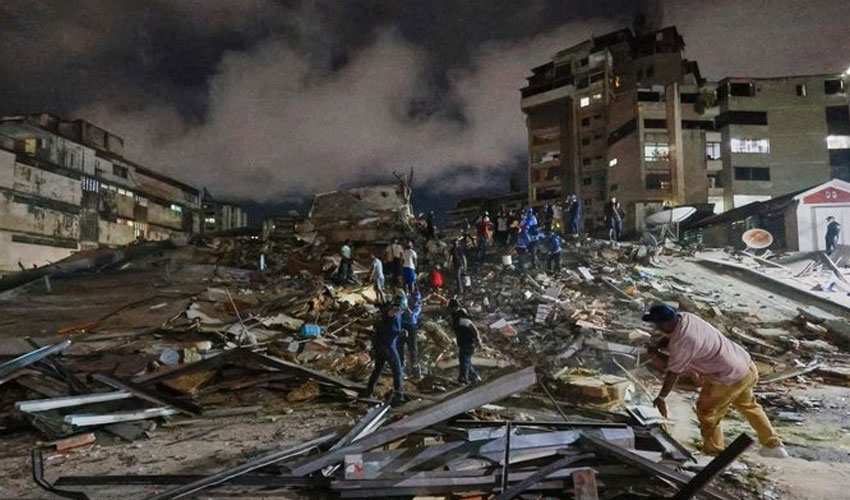
Explosions were reported near the southern Iranian village of Tahrui, close to the port city of Sirik, which was also targeted during Friday's US strikes. Iranian state media also reported explosions on Qeshm Island.
Trump warns of further military action
Shortly after the operation began, President Trump warned that more severe military action could follow if Iran failed to comply with Washington's interpretation of the ceasefire agreement.
"It is very possible that they will never learn," Trump wrote on social media.
"There may come a point when we are no longer able to be reasonable, and will be forced to militarily complete the job that we very successfully started. If that happens, the Islamic Republic of Iran will no longer exist."
Trump also accused Tehran of repeatedly violating the June 17 memorandum, an allegation Iran has denied while making similar accusations against the United States.
The latest US strikes followed an incident involving the Panama-flagged oil tanker Kiku, which was reportedly struck by an unidentified projectile while sailing through the Strait of Hormuz early Saturday.
CENTCOM said the vessel, carrying more than 2 million barrels of crude oil, was hit by what it described as a one-way attack drone.
No crew members were injured, and authorities reported no oil leakage.
According to MarineTraffic data cited in the report, the tanker departed Qatar's Al Shaheen oilfield on Thursday and was scheduled to arrive in Fujairah, United Arab Emirates, on Sunday.
Second shipping incident in two days
The latest incident came a day after the Singapore-registered container ship Ever Lovely was reportedly struck by a drone while transiting the Strait of Hormuz.
No injuries were reported in that attack, but President Trump described it as a "foolish violation" of the June 17 ceasefire memorandum.
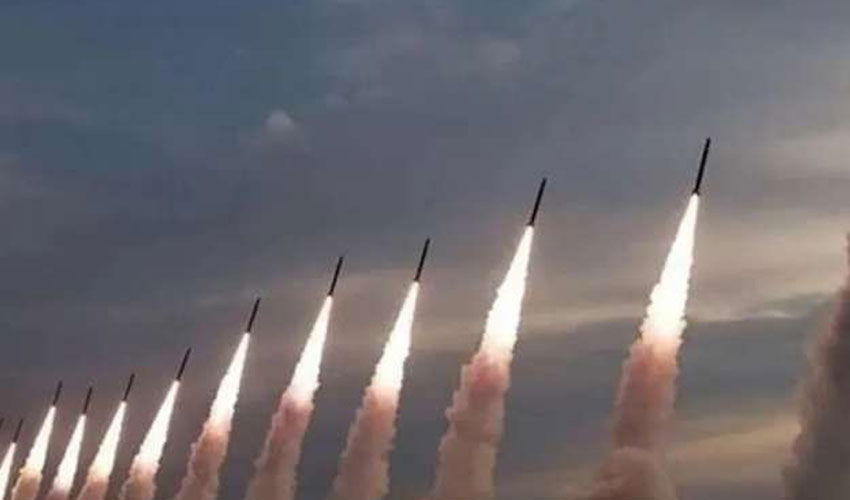
Friday's exchange saw US forces strike targets around Sirik, while Iran responded with attacks on US military installations in the region.
CENTCOM said Iran had been given an opportunity to honour the ceasefire following Friday's US operation but instead chose to continue attacks on commercial shipping.
The Strait of Hormuz has become the central point of dispute between Washington and Tehran.
Roughly one-fifth of the world's oil supply normally passes through the strategic waterway, making it one of the world's most important energy transit routes.
After the conflict between the US, Israel and Iran escalated earlier this year, Tehran moved to restrict shipping through the strait, sending global energy prices sharply higher.
The June 17 memorandum sought to restore commercial navigation while ending military operations across multiple fronts.
Dispute over ceasefire terms
Despite the agreement, the two sides disagree on how shipping through the Strait of Hormuz should be managed.
Iran argues that all vessels passing through either Iranian or Omani territorial waters must coordinate with Iranian authorities.
The United States, however, maintains that ships travelling through Omani waters do not require Iranian approval.
The differing interpretations have fuelled mutual accusations of violating the ceasefire, with Washington accusing Tehran of interfering with commercial shipping while Iran argues that continued US military operations breach the agreement.




.jpeg)