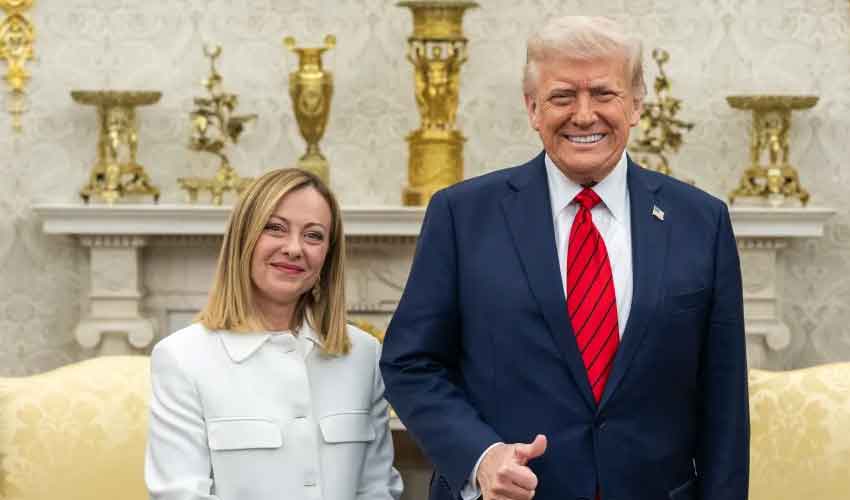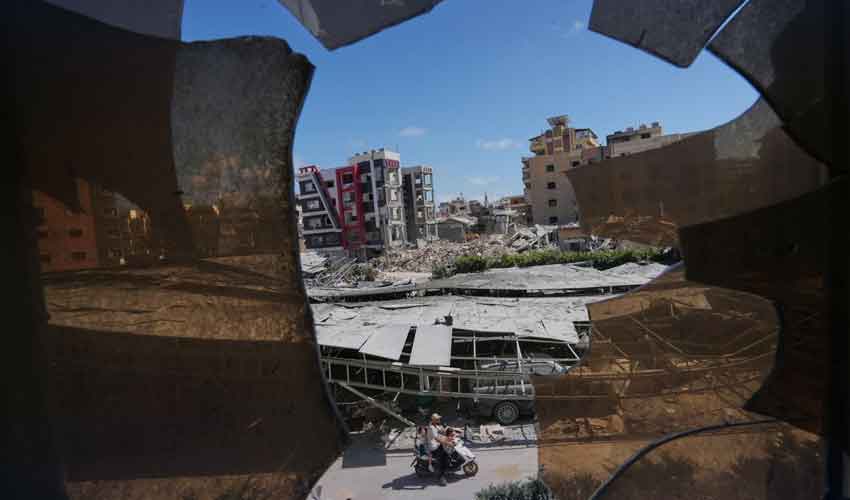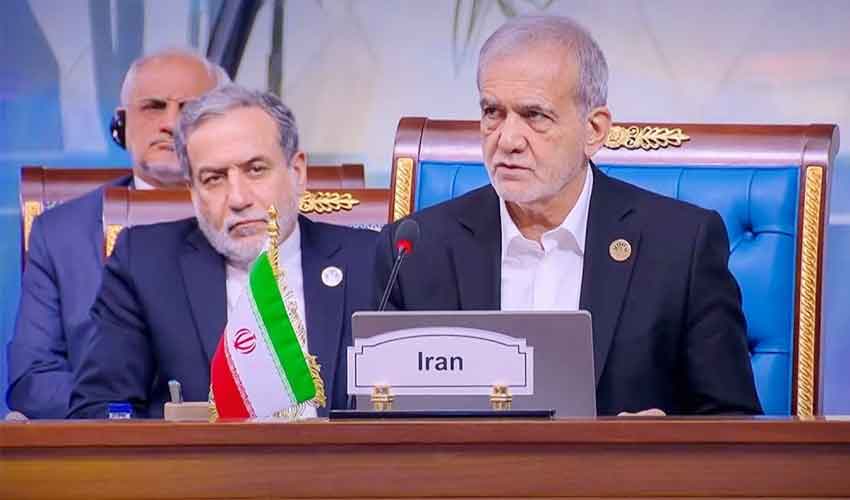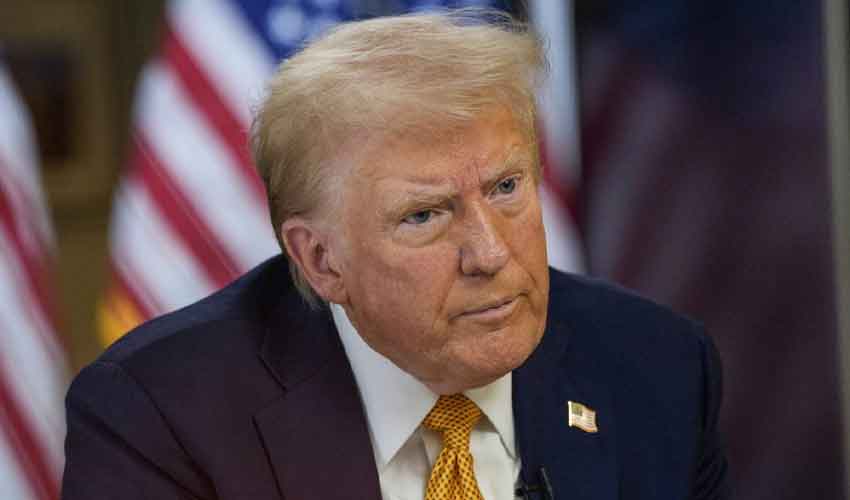
US President Donald Trump has claimed that his intervention was critical to Israel’s survival during the recent conflict with Iran, while asserting that he has significant influence over Israeli decision-making and can prevent further escalation in Lebanon.
In an interview with Axios, Trump said Israel respects his leadership and listens to his advice, adding that he has the ability to stop Israeli military operations in Lebanon if necessary.
“If it weren’t for my intervention, Israel would have been destroyed,” Trump said, while describing his relationship with Israeli Prime Minister Benjamin Netanyahu as positive but requiring balance.
“Netanyahu will have to be balanced to some extent,” he said.
Warning over global economic fallout
Trump also warned that a broader war involving Iran could have severe consequences for the global economy.
According to the US president, extending the conflict would have risked triggering a worldwide economic crisis, citing concerns over energy markets and international stability.
“If the Iran war escalates further, there could be an economic crisis around the world,” Trump said.
He argued that his support for a diplomatic settlement helped prevent a scenario that could have led to sharp increases in oil prices and wider economic disruption.
Trump reflects on presidential power
During the interview, Trump said recent events had reinforced his view of the influence wielded by the US presidency.
He claimed that world leaders respect his authority and suggested that his role in international affairs demonstrates the unique power of the office.
Trump praised Chinese President Xi Jinping and Indian Prime Minister Narendra Modi as strong leaders, describing Xi as “all business” and Modi as “a very tough cookie.”
He also lamented the absence of Russian President Vladimir Putin from the G7 framework and spoke positively about his interactions with global leaders during the summit in France.
Iran deal and regional stability
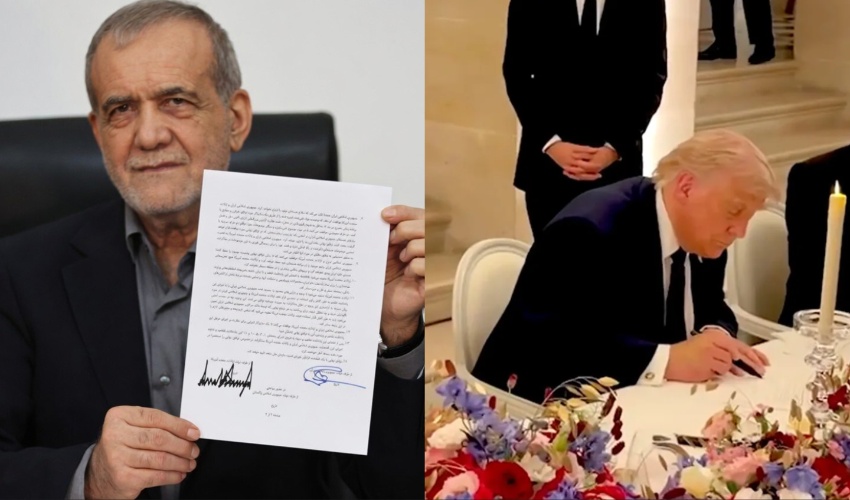
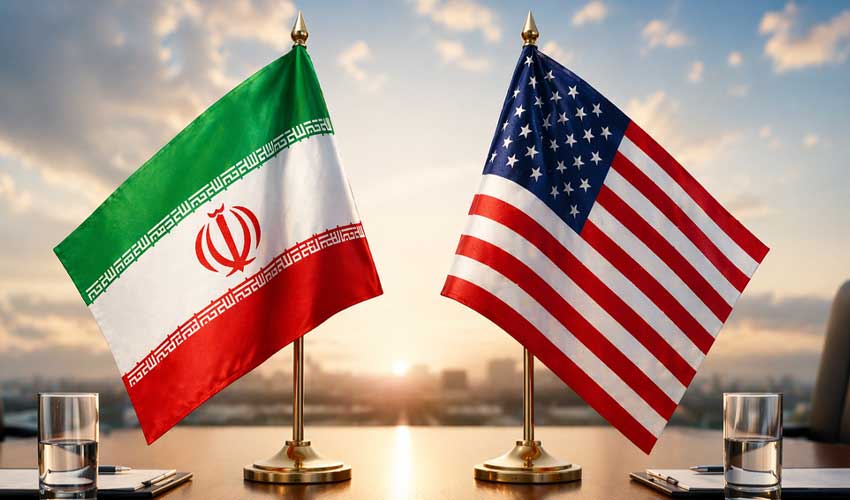
Trump defended the interim US-Iran agreement, despite criticism from some political allies who believe the deal falls short of Washington’s original objectives.
He maintained that the agreement represented a major diplomatic achievement and argued that avoiding a prolonged conflict was in the best interests of both the United States and the global economy.
The president also reiterated that maintaining stability in the Middle East remains a key priority, particularly as negotiations continue over a broader and more permanent settlement between Washington and Tehran.