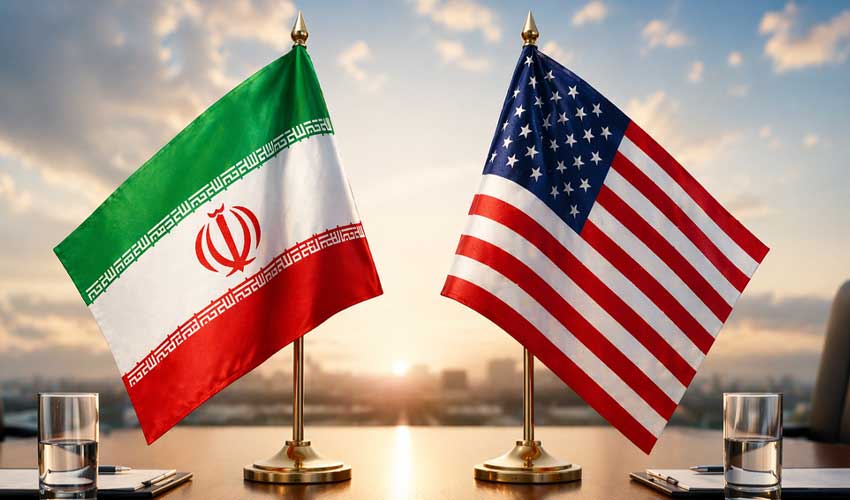
Planned talks in Switzerland between the United States and Iran to discuss the technical terms of their ceasefire deal have been postponed, raising fresh concerns over the future of the agreement signed earlier this week.
The Swiss Foreign Ministry confirmed early on Friday that the talks scheduled at the Burgenstock resort would not go ahead, as reports suggested Iran had delayed sending its delegation because of Israel’s continuing military campaign in Lebanon.
The planned meeting was expected to take place at the Burgenstock Resort in Stansstad, near Lucerne in central Switzerland.
In a message to AFP, the Swiss Foreign Ministry said the talks between the United States, Iran, Qatar and Pakistan had been postponed.
“Switzerland remains ready to facilitate these talks. The relevant preparatory work at Burgenstock is continuing,” the ministry said, without announcing a new date.
Delegation delayed amid Lebanon fighting
The postponement followed reports by Al Mayadeen that Iran was delaying sending its delegation to Switzerland due to Israel’s ongoing military operations in Lebanon.
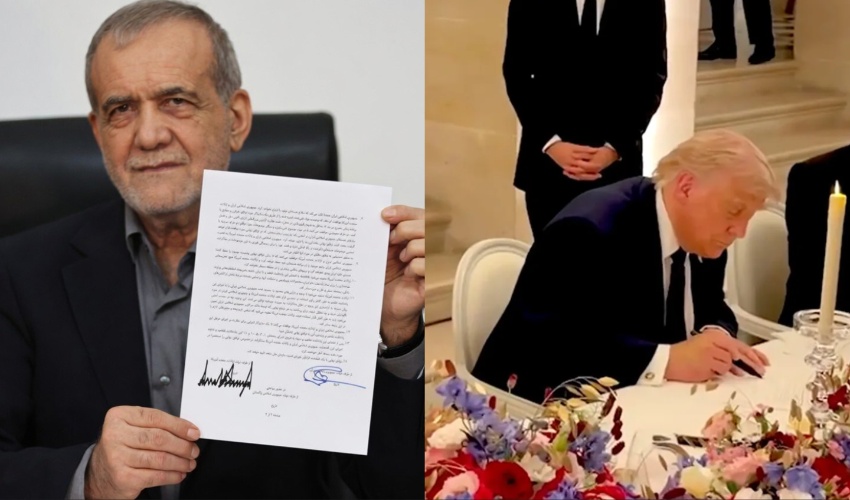
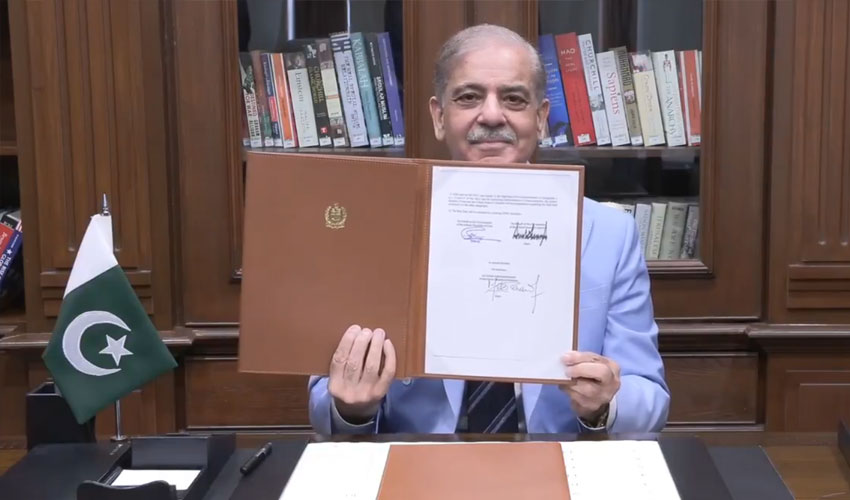
The technical talks were meant to discuss implementation details of the US-Iran ceasefire deal, which was digitally signed by the two countries on Wednesday.
The delay has increased fears that the ceasefire framework could begin to weaken before technical-level negotiations even start.
Also Read: US-Iran technical talks to begin after Muharram: FO
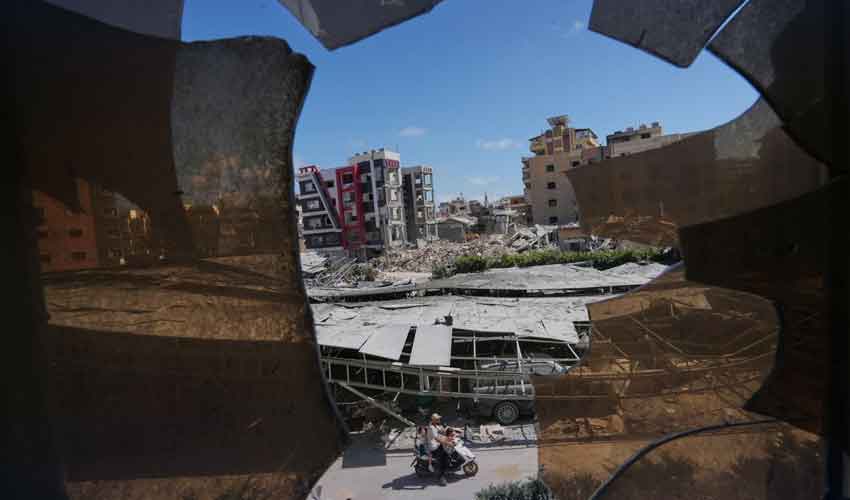
Israeli attacks overnight and into Friday reportedly killed at least 18 people in southern Lebanon. Iran-linked Hezbollah also reported intense fighting as Israel continued its military campaign.
Iran has insisted throughout negotiations that Israel must halt its attacks on Lebanon, making the issue a key condition for moving the peace process forward.
Tehran says talks must respect red lines
Iran, sensing President Donald Trump’s eagerness to end a war increasingly unpopular in the United States, has responded firmly to the proposed framework.
Iranian chief negotiator Mohammad Bagher Ghalibaf said on Friday that any talks would remain bound by Tehran’s “red lines.”
Also Read: Iran says national interests are red line in talks
“If the enemy seeks to be excessive, we have proven that our fingers are on the trigger and we have no hesitation in giving a crushing response to the enemy,” Ghalibaf said, according to Iran’s official IRNA news agency.
Iranian officials have also said Tehran had reservations even while giving its initial approval to the plan.
Mediators to meet in Egypt
Concern over the stability of the ceasefire deal has prompted mediators to arrange fresh consultations.
Pakistan, Saudi Arabia and Turkiye are expected to join talks in the Egyptian city of Alamein on Sunday, according to Cairo and Islamabad.
The meeting is aimed at salvaging momentum behind the ceasefire process and preventing the agreement from collapsing.
The postponed ceremony and talks were expected to be held at the Burgenstock Resort, located in the Swiss village of Stansstad near Lucerne. The resort is owned by Katara Hospitality, part of Qatar’s sovereign wealth fund.
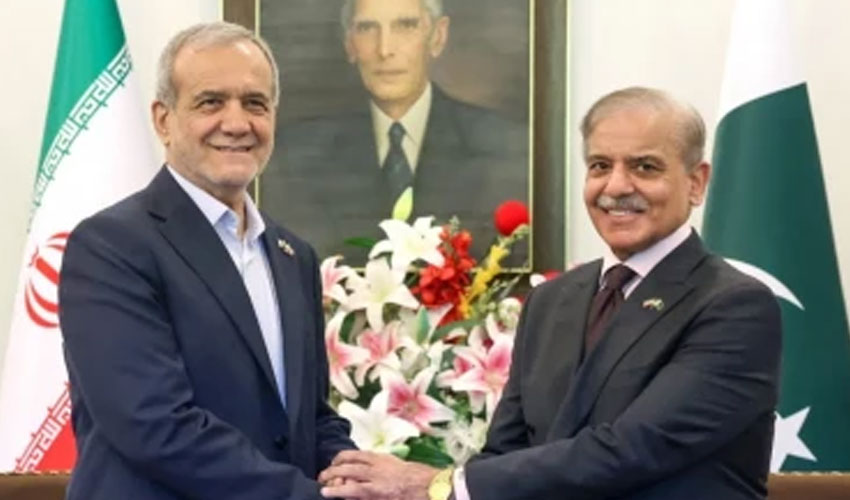
Qatar has played a role in mediating peace efforts linked to the conflict, alongside Pakistan and other regional actors.
US push hits snag after MoU signing
The postponement marks an early setback for the US effort to quickly begin high-stakes negotiations with Iran.
The delay came just two days after Washington and Tehran signed a 14-point memorandum of understanding, which laid out a framework for talks during a 60-day negotiation period.
Also Read: Trump calls Iran MoU ‘unconditional surrender’ after US-Iran war
Vice President JD Vance had been expected to lead the American side in Switzerland and meet Iranian counterparts at the mountainside resort in Obburgen.
Vance trip abruptly called off
Vance had been prepared to take an overnight flight to Switzerland for the talks. His staff and a small group of journalists had gathered at Joint Base Andrews outside Washington in anticipation of the trip.
At the same time, dozens of White House officials, advance staff and media personnel had already gathered in Switzerland to prepare for his arrival.
However, the trip was abruptly cancelled on Thursday evening.
The White House said Vance and his delegation were ready for talks but could not finalise the arrangements, meaning the vice president would remain in Washington.
“The logistics of these negotiations have never been simple or predictable,” the White House said.
Israel’s stance deepens divide with Washington
Israel and Hezbollah are not parties to the US-Iran agreement, but Lebanon has become a major point of friction.
Israeli Prime Minister Benjamin Netanyahu said on Thursday that Israeli forces would remain in a “security zone” in southern Lebanon for as long as Israel’s security needs require.
Iran has demanded that Israel withdraw from the large swath of southern Lebanon it is occupying.
Also Read: Israeli strikes kill at least 15 in Southern Lebanon despite US-Iran MoU
Israel’s refusal to halt hostilities has deepened anger inside the White House because of the risk it poses to the ceasefire with Iran.
The dispute has also exposed a widening divide between Washington and Tel Aviv.
After hardline Israeli ministers said the military would not be bound by the US-Iran agreement, Vance issued a sharp response on Thursday evening before the Switzerland talks were postponed.
“If I were in the cabinet of the Israeli government, I might not be attacking the only powerful ally that I have anywhere left in the entire world,” Vance said.
His remarks reflected growing frustration in Washington as the US tries to keep the Iran ceasefire process alive while Israel continues its operations in Lebanon.
Ceasefire deal faces first major test
The postponement of the Switzerland talks has become the first major test for the US-Iran ceasefire deal.
With Iran linking technical talks to a halt in Israeli attacks on Lebanon, and Washington struggling to keep regional allies aligned, the next round of diplomacy is expected to be crucial.
For now, Switzerland says it remains ready to facilitate the talks, while mediators prepare to gather in Egypt in an effort to keep the fragile peace process on track.