






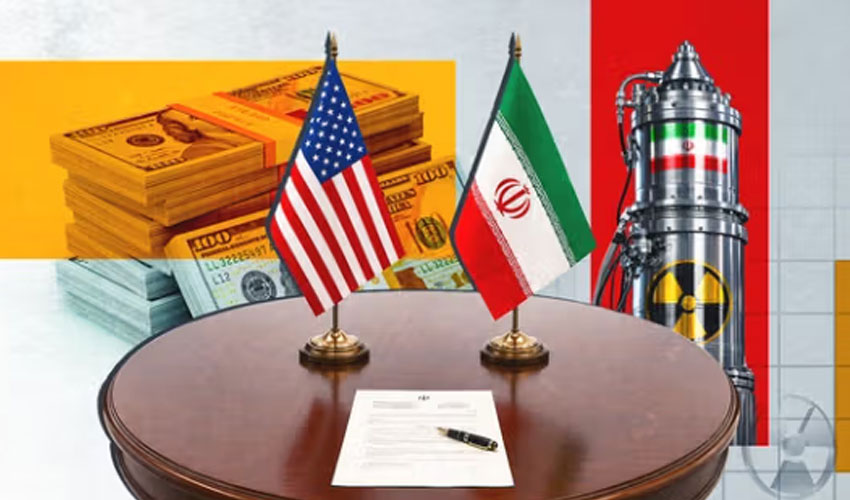
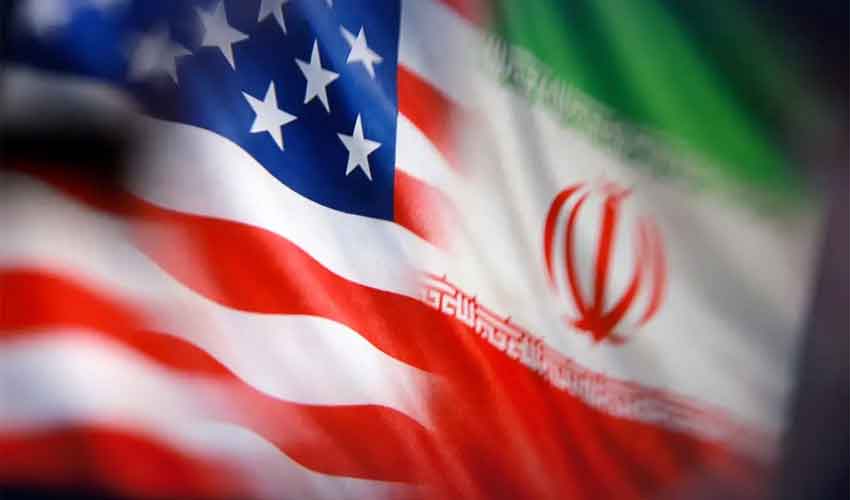
A 14-point draft memorandum of understanding between the United States and Iran outlines sweeping terms aimed at ending hostilities, reopening key maritime routes, easing sanctions, and laying the groundwork for a broader peace settlement, according to a document obtained by CNN.
The agreement, which has not yet been officially released, was reportedly shared by a US official and confirmed by multiple diplomatic sources familiar with the negotiations.
A final version is expected to be signed later this week in Switzerland, though officials say technical and legal wording is still being finalized.
A White House spokesperson cautioned that the draft does not necessarily reflect the final signed text, describing it as a working political document.
Ceasefire and de-escalation measures
Under the draft, both countries would declare an immediate and permanent end to hostilities and agree not to launch any hostile actions against each other.
The document also calls for mutual respect of sovereignty and territorial integrity, alongside a commitment to refrain from interference in internal affairs.
A 60-day negotiation window is outlined for reaching a final comprehensive agreement, with the possibility of extension by mutual consent.
Strait of Hormuz and military de-escalation
One of the key provisions includes the reopening and normalization of maritime traffic through the Strait of Hormuz.
The US would lift naval restrictions and gradually withdraw forces from surrounding areas following a final agreement, while Iran would restore merchant shipping flows and address technical maritime disruptions.
Sanctions relief and economic provisions
The draft proposes significant economic relief measures for Iran, including:
- Lifting of US sanctions in stages
- Waivers for Iranian oil and petrochemical exports
- Release of frozen or restricted Iranian assets
- Potential access to a $300 billion development fund tied to compliance
The agreement also envisions a broader reconstruction and economic development plan involving the US and regional partners.
Nuclear commitments
Iran reiterates in the draft that it will never seek to develop nuclear weapons.
Both sides agree that unresolved nuclear issues—including enriched material and Iran’s nuclear needs—will be addressed in a final agreement during ongoing negotiations.
Until then, Iran would maintain its current nuclear status while the US would refrain from imposing new sanctions or escalating military presence.
The document also proposes an implementation mechanism to oversee compliance and ensure progress toward a final deal.
A final agreement would be submitted for approval through a binding UN Security Council resolution.
Officials caution that the leaked text may not reflect the final wording, and some governments have already disputed elements of the draft.
The US has described the memorandum as a preliminary political framework, while Iranian media reports have also questioned the accuracy of leaked versions.
Despite uncertainty, the draft signals one of the most significant diplomatic efforts in recent years between Washington and Tehran.



.gif)
.jpg)







