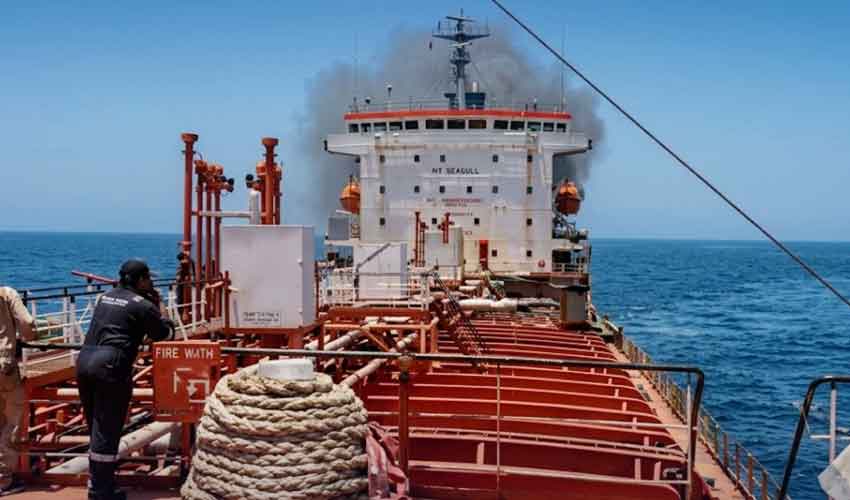
Oil prices jumped again on Tuesday as the crisis in the Strait of Hormuz shows no sign of easing. Investors worry that ongoing attacks on oil facilities and Iran’s blockade of the waterway could push global energy costs even higher.
Both Brent and WTI crude futures rose more than 2%, reclaiming some of Monday’s losses, and hovered around the $100 mark.
The surge comes amid continuing assaults on Middle Eastern oil infrastructure, including drones hitting fields in the UAE and Iraq, and rising geopolitical tensions across the region.
US push for allies falls short
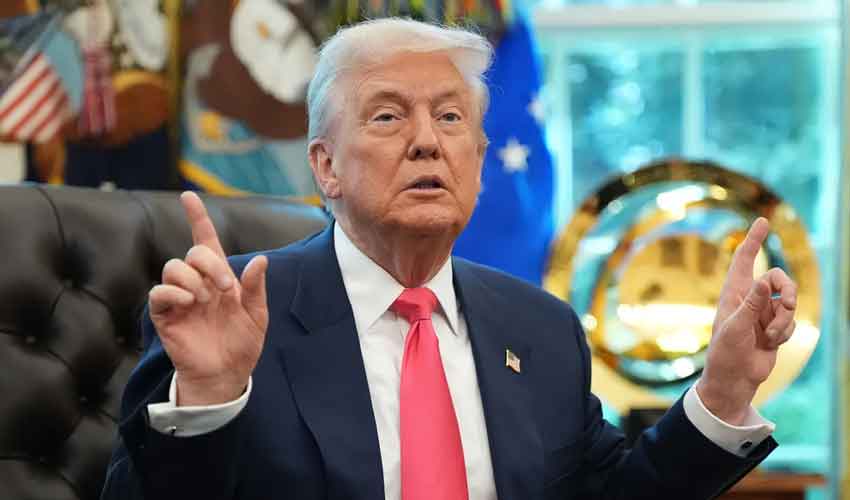
President Donald Trump urged allies to help reopen the Strait of Hormuz, calling it a “team effort,” but countries including Germany, Britain, Spain, Poland, Greece, Sweden, Australia, and Japan distanced themselves from the call.
Trump warned that refusal to cooperate could threaten NATO’s future, while also delaying a summit with Chinese leader Xi Jinping over the issue.
Strategic oil releases
The International Energy Agency (IEA) had previously announced a record release of 400 million barrels from strategic reserves. IEA chief Fatih Birol added that member countries could unlock more stockpiles “if needed,” helping pare some losses in crude prices.
Despite rising oil, global equities extended Monday’s gains, with tech companies like Nvidia, Samsung, and SK Hynix driving optimism in Asia. Wall Street indexes also closed higher.
Attacks on oil and diplomatic targets continue to fuel uncertainty. Israel reportedly launched strikes in Tehran and on Hezbollah positions in Beirut. Meanwhile, the U.S. embassy in Baghdad came under drone and rocket fire early Tuesday.
Analysts warn that while strategic oil releases and market rallies provide temporary relief, these developments do not signal a resolution to the Middle East crisis.


.jpg)