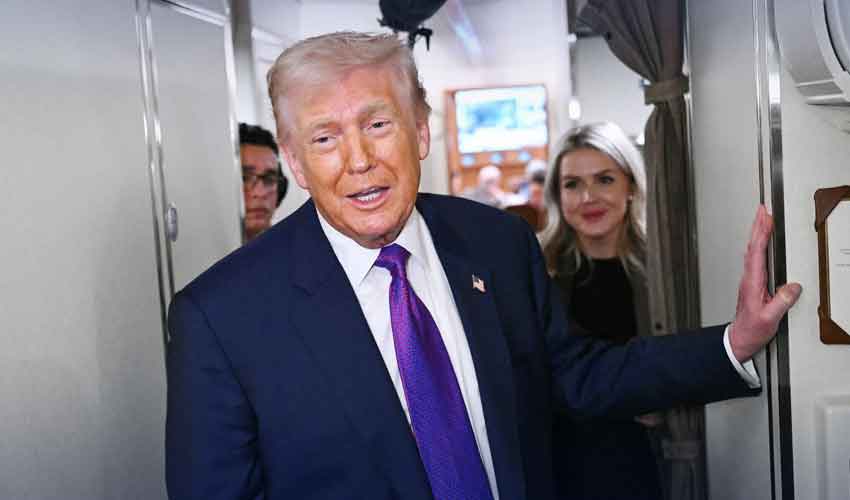
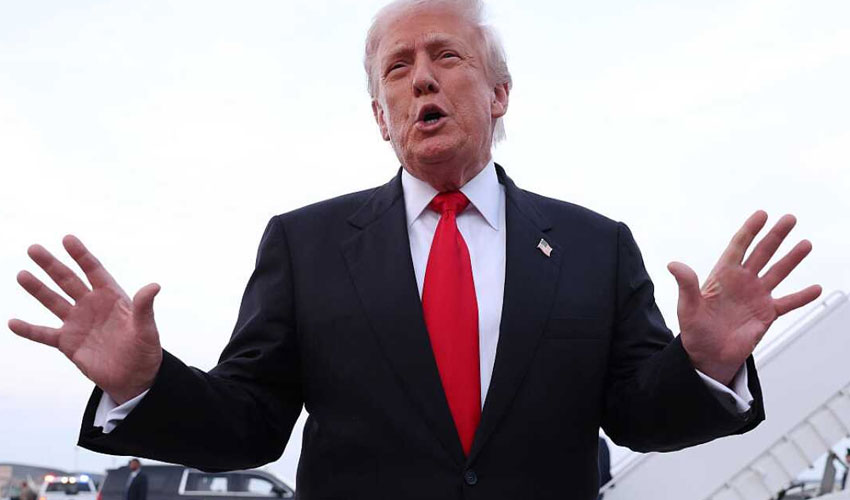
U.S. President Donald Trump said he is not interested in negotiating with Iran, suggesting the war may only end once Tehran’s military and leadership are destroyed.
The escalating U.S.-Israeli campaign has already killed over 1,300 Iranian civilians and affected Gulf security.
Speaking aboard Air Force One, Trump emphasized that negotiations may become irrelevant if all potential Iranian leaders are eliminated and the country’s military incapacitated.
“At some point, I don’t think there will be anybody left maybe to say ‘We surrender,’” he said, highlighting the uncompromising U.S. stance.
Iran’s presidential apology
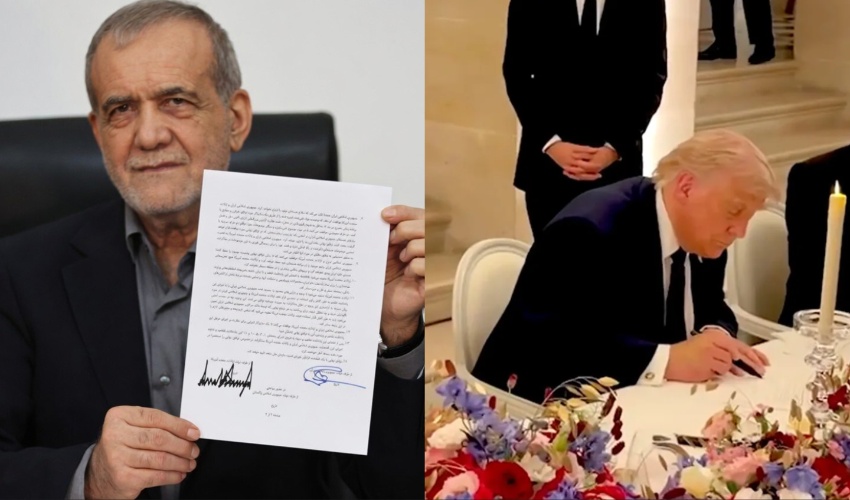
Iranian President Masoud Pezeshkian issued an apology to neighboring countries affected by Iranian strikes on U.S. facilities, urging them not to join the U.S.-Israeli offensive.
While hardliners criticized the apology, Pezeshkian stated that attacks on nearby states would be suspended unless strikes originated from their territory.
Iran’s Secretary of the Supreme National Security Council, Ali Larijani, asserted there was no internal rift over the country’s military strategy.
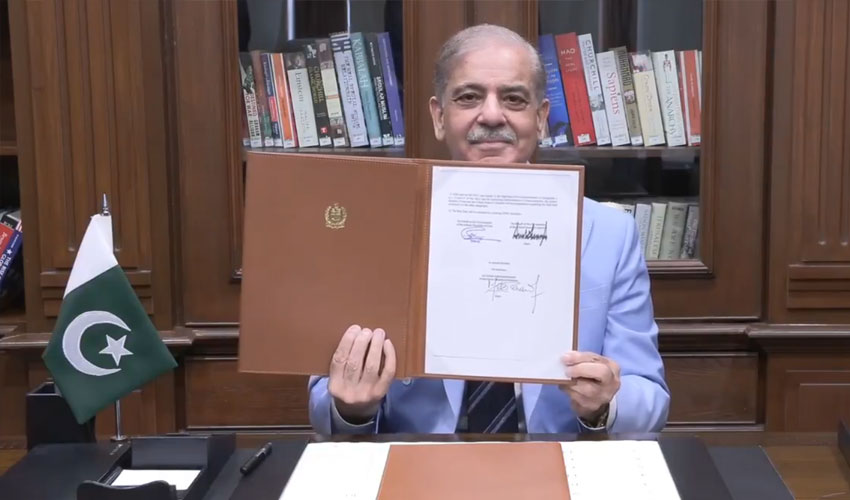
Saudi Arabia warned Tehran that continued attacks on its territory and energy sector could trigger retaliatory action. Drone attacks were reported across Saudi Arabia, Kuwait, and the UAE, causing varying levels of damage but no deaths.
Iranian Revolutionary Guards also targeted U.S. forces at a base in Bahrain.
International incidents
In Oslo, the U.S. embassy suffered a minor explosion, causing no injuries, while explosions were reported in Tehran following strikes on missile sites and command centers.
Israel launched additional attacks in Lebanon after Hezbollah fired across the border, warning of a “very heavy price” if militants were not restrained. Deaths in Lebanon have risen to around 300 since Monday.
Humanitarian and economic impact
The U.S.-Israeli offensive has killed at least 1,332 Iranian civilians, wounded thousands, and reportedly hit a girls’ school, according to U.S. officials. Ten people have died in Israeli attacks, and six U.S. service members were killed.
Iran’s strategy of maximum disruption has pushed oil prices higher, disrupted logistics, and forced Kuwait, Iraq, and Qatar to cut production. The Strait of Hormuz remains effectively closed.
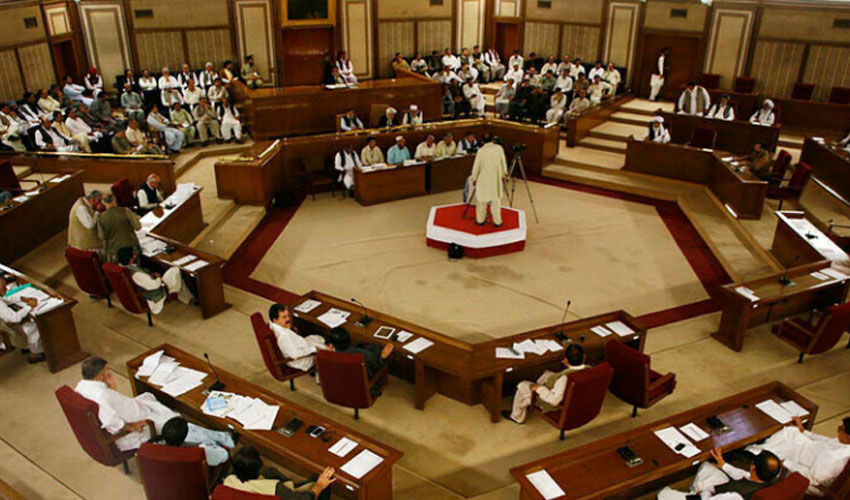
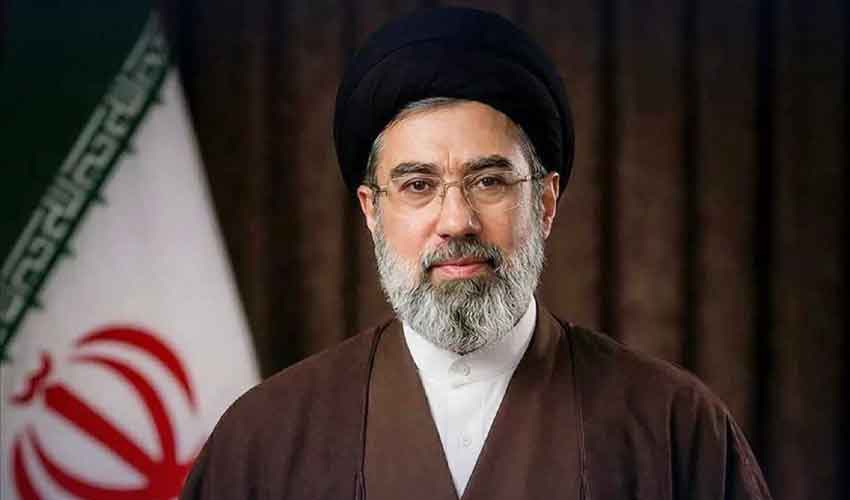
Hardline clerics are reportedly pressing for the rapid selection of a new supreme leader, with meetings scheduled as early as Sunday. The political and military uncertainty underscores the heightened volatility in the region.




.jpg)