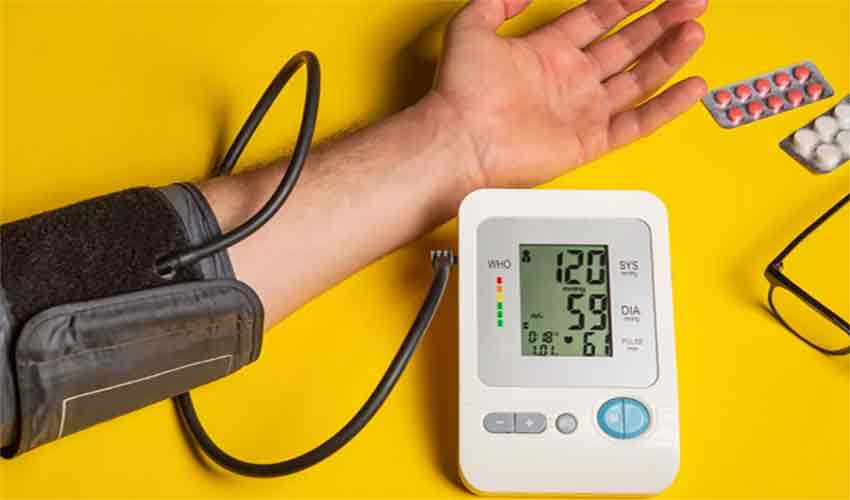
High blood pressure is often associated with heart disease, but medical experts say it is a silent condition that can gradually cause serious damage to the brain’s structure and function.
Because its symptoms do not appear immediately, many people remain unaware of the disease for years, while it continues to affect the body’s most sensitive organ - the brain.
Medically known as hypertension, the condition involves persistently elevated pressure in the blood vessels. Although the human brain accounts for only about two percent of body weight, it requires nearly twenty percent of the body’s total blood and oxygen supply to function. Even minor disruptions in blood flow can therefore be dangerous for brain cells.
Experts say high blood pressure causes brain arteries to harden and narrow, increasing the risk of stroke. If a blood clot blocks a narrowed artery or a vessel ruptures due to excessive pressure, it can lead to permanent disability or even death.
Long-term hypertension also affects cognitive abilities. Research shows that people who develop the condition in middle age face a higher risk of memory loss and dementia later in life. Reduced blood supply gradually weakens memory, planning, and decision-making abilities.
Some individuals may also experience minor or temporary strokes, known as mini-strokes. Although these may resolve within minutes, they are clear warning signs of a potential major stroke in the future.
Medical experts further warn that prolonged high blood pressure can alter brain structure. The hippocampus - the brain’s memory center - may shrink, while damage to tiny blood vessels can affect white matter, which plays a key role in communication between different brain regions.
The effects of hypertension are not limited to the brain; the kidneys and eyes can also be harmed. Damage to the kidneys’ fine blood vessels reduces their filtering capacity and may eventually require dialysis. Similarly, damage to blood vessels in the retina can impair vision.
Experts emphasize that simple lifestyle changes can help control this silent killer. Reducing salt intake, consuming fruits, vegetables, and whole grains, and avoiding packaged and processed foods are strongly recommended. At least 150 minutes of moderate exercise per week, such as brisk walking or swimming, helps regulate blood pressure.
Stress management techniques, including deep breathing exercises and yoga, can also be beneficial. Maintaining a healthy weight and regularly monitoring blood pressure at home can help detect dangerous changes early.
Medical professionals stress that prescribed medications should be taken consistently and should not be stopped without medical advice, even if blood pressure appears normal. According to experts, controlling blood pressure today can help prevent serious risks such as stroke and memory loss in the future.



.jpg)