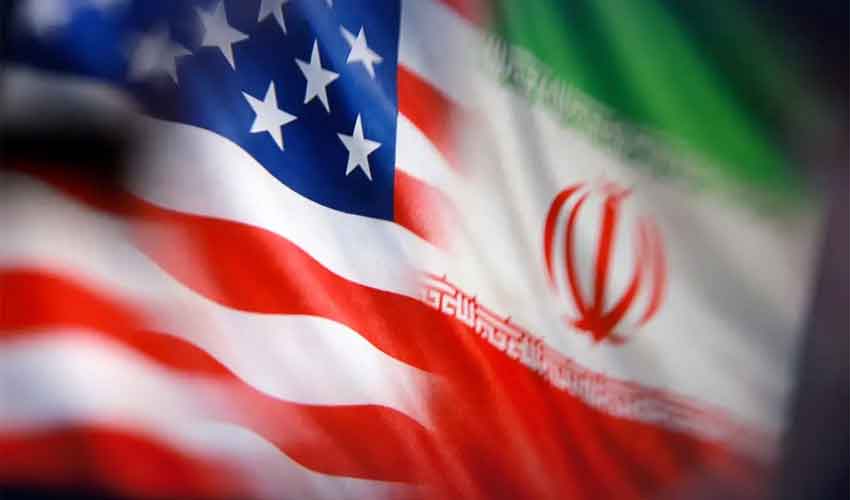
Iran says a renewed nuclear agreement with the United States is “within reach,” offering a note of cautious optimism ahead of fresh talks in Geneva. But as diplomacy unfolds, military tensions in the region continue to rise.
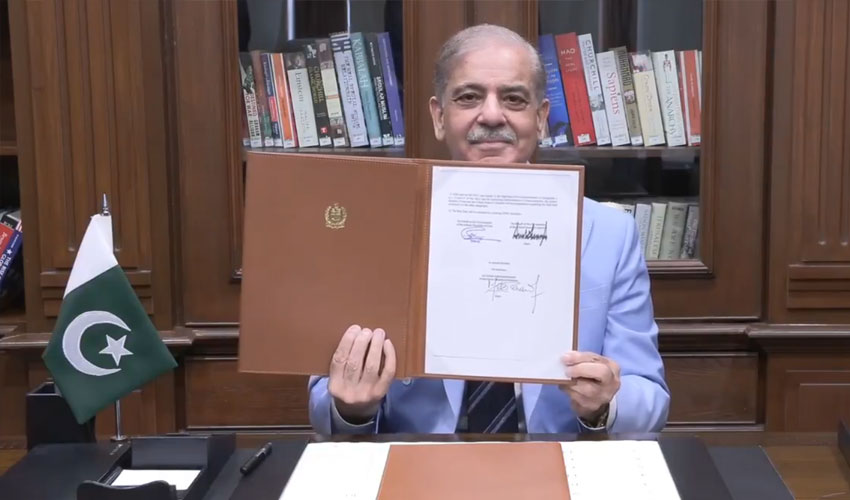
Abbas Araghchi, Iran’s foreign minister, said Tuesday that a deal with Washington to avert conflict is possible if diplomacy takes priority.
Calling it a “historic opportunity to strike an unprecedented agreement,” Araghchi suggested the outcome depends on whether political leaders choose negotiations over confrontation.
In a statement shared on social media, he stressed that Iran is “crystal clear” it would “under no circumstances ever develop a nuclear weapon.” At the same time, he defended Iran’s right to benefit from peaceful nuclear technology.
Geneva talks
Indirect negotiations between Tehran and Washington are scheduled for Thursday in Geneva.
The talks, mediated by Oman, will mark the third round of discussions aimed at de-escalating tensions and potentially reviving a nuclear framework. Omani officials have expressed hope for “a positive push to go the extra mile towards finalising the deal.”
Araghchi is leading the Iranian delegation. Representing the United States are White House envoy Steve Witkoff and Jared Kushner, President Trump’s son-in-law.
Trump: Diplomacy preferred, but warnings continue
Delivering his State of the Union address in Washington, Donald Trump struck a firm tone toward Tehran.
“My preference is to solve this problem through diplomacy,” Trump said. “But one thing is certain, I will never allow the world’s number one sponsor of terror… to have a nuclear weapon.”
He accused Iran of developing missiles that could “soon reach the United States of America” and claimed Tehran was attempting to rebuild its nuclear program after a reported US attack on Iranian nuclear sites in June 2025.
“They want to make a deal,” Trump added, “but we haven’t heard those secret words: ‘We will never have a nuclear weapon.’”
Following the last round of talks, Trump said Iran had 10 to 15 days to make what he called a “meaningful deal,” again raising the possibility of military intervention.
Military build-up
Diplomatic efforts are unfolding alongside a visible military build-up.
The US Navy has deployed the USS Gerald R. Ford — its largest aircraft carrier — to a NATO base on the Greek island of Crete, as it heads toward the Middle East.
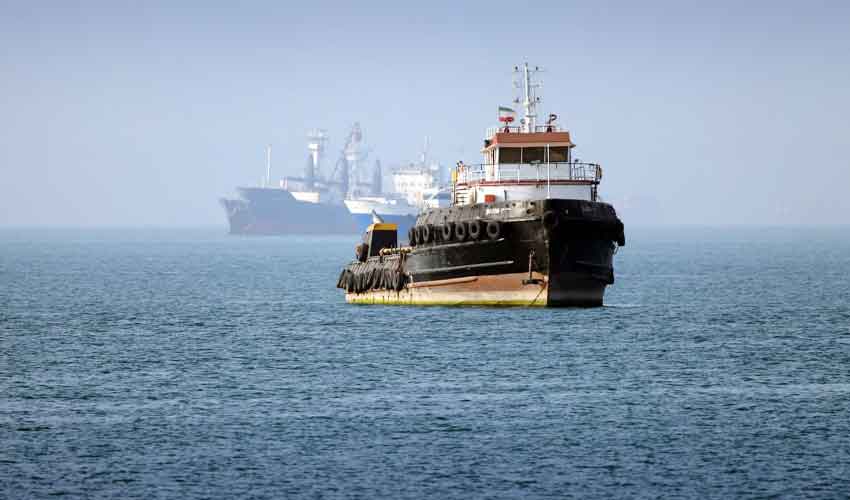
At the same time, Iran’s Revolutionary Guard Corps (IRGC) has been conducting military drills in southern Iran, describing the region as a newly built “strong fortress.”
The parallel moves underscore the fragile balance between diplomacy and deterrence.
Public mood in Iran
According to reporting from Tehran, the public mood in Iran reflects a mixture of anxiety and cautious optimism.
Many fear the possibility of military conflict given the growing US presence in the region. At the same time, there is hope that renewed negotiations could prevent escalation.
The talks are also taking place against a backdrop of domestic unrest. Massive protests in December were initially driven by economic hardship, and more recent expressions of dissatisfaction have surfaced in major universities across the country.


.jpg)