Hundreds of thousands of people took to the streets of Istanbul on Thursday to express solidarity with Palestinians in Gaza, waving flags and calling out what they described as ongoing atrocities despite an official ceasefire.
Protesters braved freezing temperatures to converge on the Galata Bridge, joining one of the largest pro-Palestine rallies Turkiye has seen since the conflict escalated.
The march was organized by civil society groups under the National Will Platform, with support from Turkish football clubs, and carried the slogan: “We won’t remain silent, we won’t forget Palestine.”
According to police and Anadolu news agency sources, around 500,000 people attended the demonstration. More than 400 civil society organizations participated, highlighting widespread public outrage over Israel’s ongoing assault on Gaza.
Voices from rally
Galatasaray football club chair Dursun Ozbek called Israel’s actions a “moral reckoning for the world,” urging the public not to normalize silence. “Standing shoulder to shoulder against oppression, we come together on the same side for humanity,” he said in a video message shared on X.
Lebanese-born singer Maher Zain performed “Free Palestine,” energizing the crowd and reinforcing the protest’s central message of solidarity.
Ceasefire criticised as fragile
For many participants, the protest was not just symbolic. Demonstrators rejected the narrative that a ceasefire had ended hostilities, calling the pause “fragile” and emphasizing the ongoing suffering of Palestinians. More than 400 Palestinians have been killed since the ceasefire, with humanitarian aid still largely blocked from entering Gaza.
Al Jazeera correspondent Sinem Koseoglu noted that support for Palestine unites people across political lines, from governing AK Party voters to opposition supporters. The rally also sent a clear message that Turks expect sustained international action rather than symbolic measures.
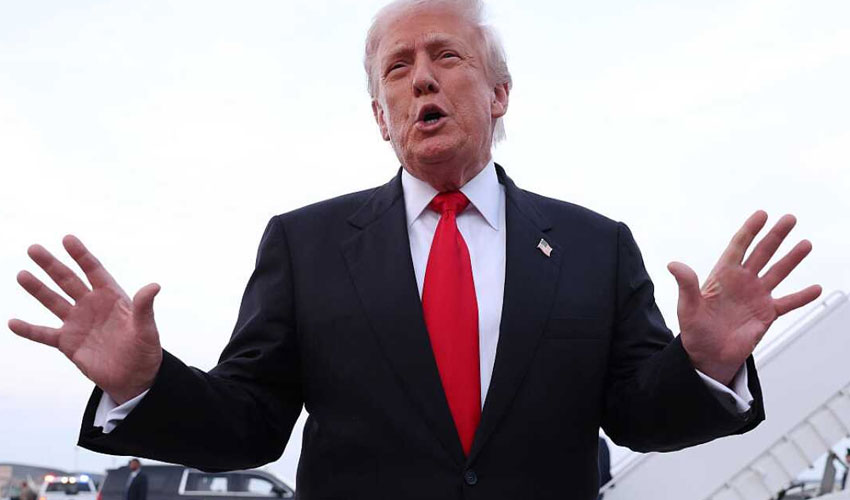
Turkiye has sharply criticized Israel, cutting trade and closing airspace and ports. The country played a key role in brokering the ceasefire announced in October by U.S. President Donald Trump, but public sentiment reflects dissatisfaction with ongoing violence and delayed aid in Gaza.



.jpg)