The International Monetary Fund (IMF) has acknowledged Pakistan’s recent economic stabilization efforts while urging the country to accelerate key reforms.
IMF Deputy Managing Director Nigel Clarke emphasized the need for private sector-led growth, energy sector restructuring, and enhanced disaster resilience.
Clarke noted that Pakistan’s reforms have helped stabilize the economy, with tight monetary policy playing a critical role in controlling inflation. Fiscal and external deficits are showing a downward trend, while GDP growth is expected to rise from 3% to 3.2% this year.
RELATED: IMF board greenlights over $1.2bn for Pakistan
“Inflation expectations remain under control, and the economy has withstood multiple shocks,” Clarke stated. He also welcomed the publication of Pakistan’s Governance and Corruption Report, highlighting the importance of transparency in economic management.
Govt budget and tax measures
As part of its assurances to the IMF, Pakistan’s government confirmed that the next fiscal year budget will be prepared in line with IMF conditions. Additional measures include:
-
New tax policy measures to address the revenue shortfall in the current fiscal year.
-
Potential mini-budget proposals to introduce further tax adjustments if needed.
-
Commitment not to introduce any new tax amnesty schemes and to end existing tax exemptions.
These steps aim to strengthen fiscal discipline, increase government revenue, and ensure compliance with the IMF loan program conditions.
Private sector and energy reforms are key
The IMF stressed that sustainable development requires high-quality private investment and accelerated private sector reforms. Clarke emphasized:
-
Simplifying the tax system and broadening the base for fiscal stability.
-
Reforming state-owned enterprises (SOEs) and privatization to improve the business environment.
-
Implementing energy sector reforms to reduce power generation and transmission costs and manage circular debt.
“These steps are essential for Pakistan’s competitiveness and long-term economic health,” Clarke said.
Climate, disasters, and resilience
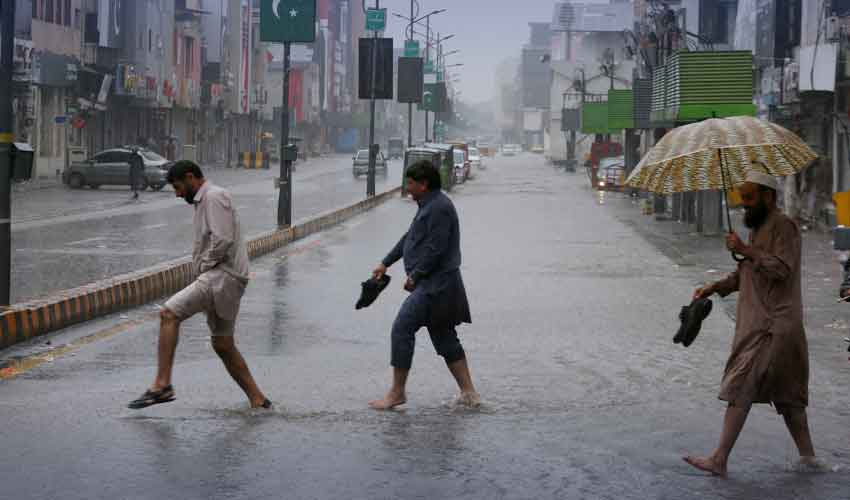
Clarke highlighted the need to increase Pakistan’s capacity to cope with severe weather events. The Resilience and Sustainability Facility (RSF) program, he noted, is helping manage disaster risks, water, and climate-related challenges.
Strong financial sector oversight is also crucial to support growth in services and other key sectors.
Key economic indicators
The IMF released updated data on Pakistan’s economy:
-
Population: 245 million
-
Per capita income: $1,676
-
Poverty rate: 21.9%
-
GDP growth: 3.2% expected this year, with a government target of 4.2%
-
Unemployment: projected to drop from 8.3% to 7.5%
-
Average inflation: estimated at 6.3%
-
Budget deficit: expected to decrease from 5.6% to 4.0%
-
Foreign exchange reserves: may rise from $9.4 billion to $17.8 billion
These indicators reflect significant improvements, though Clarke emphasized that ongoing reforms are crucial to sustain growth.
Next steps for Pakistan
The IMF calls on Pakistan to:
-
Accelerate private sector reforms.
-
Strengthen energy and SOE sectors.
-
Simplify tax policies and broaden the base.
-
Enhance disaster preparedness and climate resilience.
Clarke concluded that while progress has been commendable, the country must continue implementing reforms to ensure long-term economic stability and attract high-quality investment.




.gif)
.jpg)