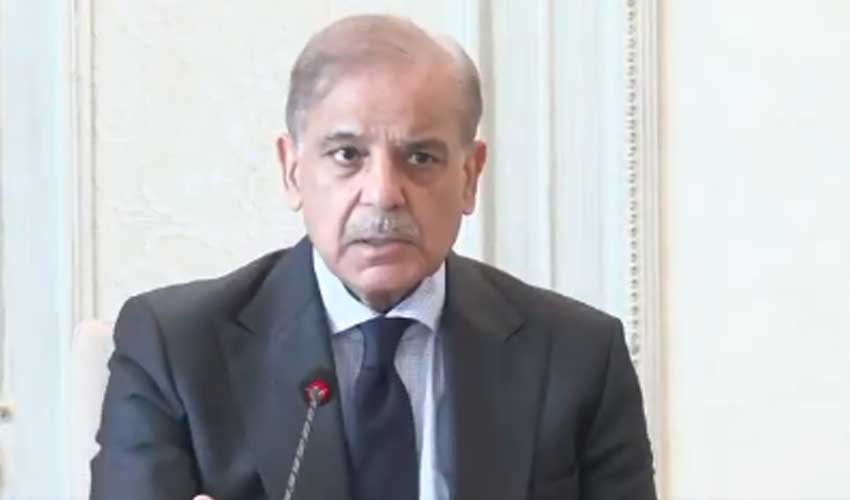





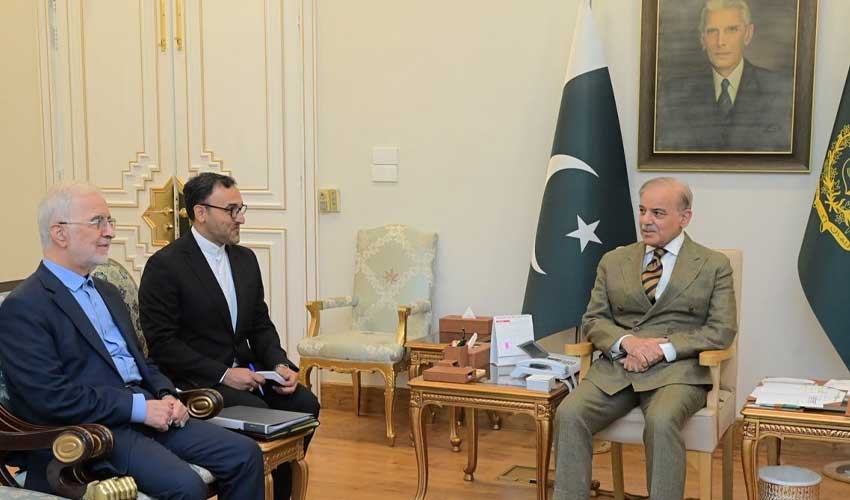
Prime Minister Shehbaz Sharif, in a key security meeting alongside Field Marshal Syed Asim Munir, delivered a strong message to Kabul warning that Afghanistan must choose between harbouring militants or building stable ties with Pakistan.
Sharif reiterated that while Islamabad seeks peace, national security remains a red line that cannot be compromised. He said Afghan soil continues to be used by banned groups like the Tehreek-e-Taliban Pakistan (TTP), causing deadly attacks against civilians and security forces in Khyber Pakhtunkhwa.
Pakistan and Afghanistan’s relationship has long been strained by distrust, border disputes, and political differences. Despite shared cultural and religious ties, the two countries have clashed over issues such as the Durand Line.
Pakistan hosts an estimated 3.5–4 million Afghan refugees, a burden on its economy. Authorities say some elements among refugees are linked to terrorism, drug smuggling, and other crimes, but international pressure has prevented Islamabad from taking strict action.
Taliban’s return, rising terror attacks
Hopes of improved security after the Taliban takeover in 2021 quickly faded. Instead, cross-border attacks escalated, border clashes intensified, and the banned TTP gained strength.
Pakistan accuses Kabul of turning a blind eye to militant sanctuaries and alleges Indian involvement in fueling violence through Afghan territory. Islamabad has presented evidence at the UN, OIC, and Shanghai Cooperation Organization (SCO), calling for international intervention.
Strategy for security
Officials say Pakistan has a three-phase strategy to tackle the crisis. First, it will exert diplomatic pressure and rally global support. Second, it plans to tighten border fencing and checkpoints along the Durand Line. If these measures fail, Pakistan insists it reserves the right to defend its territory militarily.
Path ahead
Relations remain locked in mistrust, with Pakistan demanding Kabul curb militant groups to avoid unilateral measures. Sharif’s message signals that while Islamabad does not want to sever ties with Afghanistan, continued terrorism from across the border could force stronger action.
Regional stability, analysts warn, hinges on whether Afghanistan reins in extremist factions or risks deeper isolation.

.jpg)