A Lahore-based photographer has been carrying art across Pakistan for nearly two decades, turning village squares, school courtyards and roadside walls into classrooms.
What began in 2006 as a modest project under the design house Orange Concept has grown into Carbon Roadside Arts, a traveling art education movement that brings free art lessons, photography exhibitions and film screenings to children who rarely see a gallery or a big screen.
Zaheer Chaudhry talking to this scribe, calls his project after a simple image: like carbon pressed into a diamond, a child’s creativity can become something precious when given the right pressure and light. He load basic art supplies, a projector, printed photographs and a portable screen into whatever vehicle is available and move from Sindh to Gilgit-Baltistan to Skardu. He claimed his project has reached more than 600 schools and introduced visual education to over 150,000 children, touching roughly 200,000 lives across Pakistan.

The artist works through three core activities. First, roadside photography exhibitions place striking black and white portraits and local scenes in public spaces, often installed with wire between trees or poles. The subjects are the children themselves, photographed in moments of play and study, which helps communities see their own lives as worthy of attention. Second, observation based art workshops teach children to look and then draw. Short, focused exercises move students from line and shape to storytelling assignments such as the Tree Story, which asks children to document local trees and their ecosystems. Third, Kachi Taki film screenings project feature films, cartoons and documentaries outdoors after sunset, sometimes powered by car batteries in villages without electricity.

What sets his project apart is its blend of art, anthropology and environmental awareness. In glacier regions children draw shifting rivers and melting snow; on the plains they record changes in farmland and housing. Those drawings become a form of local documentation and a way for young people to name threats to their environment. The workshops also foster teamwork, confidence and basic visual literacy in places where formal art education is scarce.

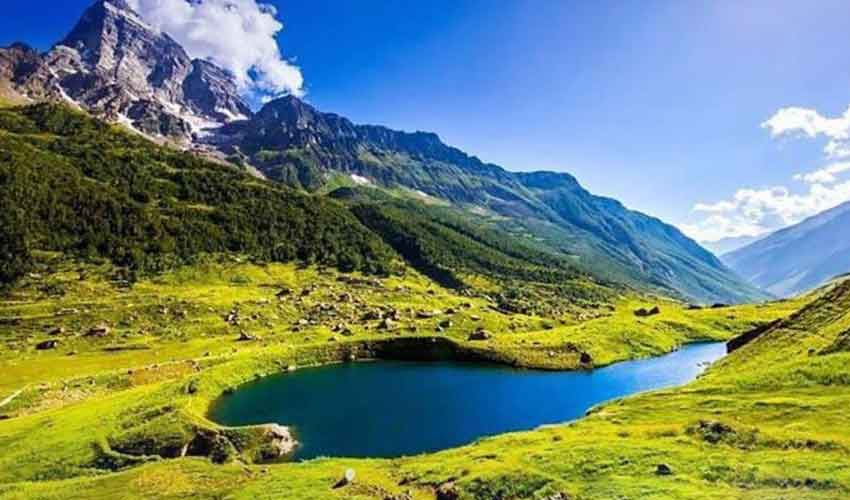
Chaudhry’s work has been largely self-funded and sustained by his personal commitment as an artist and educator. He credits teachers, local officials and villagers who help stage exhibitions and invite students to participate. The project’s footprint includes remote districts such as Ghanche, Hunza, Khaplu and parts of Balochistan and Khyber Pakhtunkhwa, a reach that would have been unlikely for a conventional arts organization.
Zaheer project’s impact is quiet but visible: children who never handled a blank sheet of A4 paper create drawings that capture local stories and environmental concern.

For Chaudhry, art is not a luxury but a basic need of the human mind and soul. His traveling classrooms have proved that culture can be handheld and mobile, and that a photograph hung between two trees can open a child’s imagination to new possibilities.

.jpg)