The United States has slashed tariffs for several key trading partners following a fresh wave of trade deals, offering much-needed economic relief and a boost to international trade.
Among the biggest beneficiaries is Pakistan, which secured a 10% reduction in US import tariffs, lowering the rate from 29% to 19% — one of the lowest among regional competitors.
The US administration, under President Donald Trump, finalized a sweeping executive order late Thursday night ahead of a trade deal deadline. The order imposed sharply increased tariffs — ranging between 10% and 50% — on countries that failed to reach agreements, while rewarding cooperative partners with significant reductions.
Also Read: Pakistan, US deepen ties on crypto after landmark trade deal: Ministry
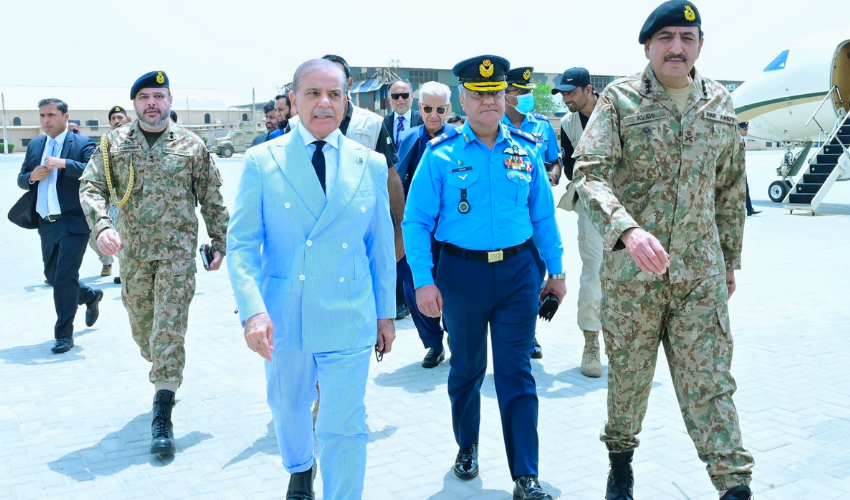
For Pakistan, this tariff relief is being hailed as the result of successful diplomatic efforts, led by Field Marshal Asim Munir, Deputy Prime Minister Ishaq Dar, and Finance Minister Muhammad Aurangzeb. Officials say the move will boost exports, enhance foreign investment, and improve Pakistan's trade standing against rivals like India and Bangladesh.
“This 10% concession is a strategic win and demonstrates Pakistan’s growing credibility in international economic negotiations,” said a senior Pakistani official. “It will pave the way for increased US investment, particularly in oil, minerals, and the IT sector.”
Tariff cuts across the globe: Winners and losers
Alongside Pakistan, several other nations saw major reductions:
-
Cambodia: 49% to 19%
-
Bangladesh: 37% to 20%
-
Thailand: 36% to 19%
-
Vietnam: 46% to 20%
-
Sri Lanka: 44% to 20%
-
Indonesia: 32% to 19%
-
Japan, South Korea, Jordan, and the EU: Brought down to 15%
In contrast, India, which failed to finalize a trade agreement in time, managed just a 1% tariff reduction — from 26% to 25%. US officials cited India's slow pace of negotiations and controversial oil imports from Russia as contributing factors.
Also Read: Pakistan to get first US oil shipment as Cnergyico seals import deal
Even more striking was the case of Switzerland, whose tariffs were increased from 31% to 39% due to the absence of any agreement.
Impact on Pakistan’s economy
The reduced 19% tariff places Pakistan in a stronger export position than key regional players like India (25%), Bangladesh (20%), and Vietnam (20%). Officials believe this could lead to an uptick in demand for Pakistani textiles, leather goods, sports equipment, and agricultural products in the US market.
The Pakistani government also refunded a 5% digital tax to American tech firms and is working on legislation to further facilitate US businesses. This move is seen as a goodwill gesture to attract further investment.
Also Read: US reduces Pakistan's tariff from 29 to 19 percent
Pakistan currently imports petroleum products worth over $16 billion annually, and the easing of tariffs may encourage the US to invest in Pakistan’s energy and infrastructure sectors.
Trump’s aggressive trade policy
President Trump’s latest order is part of his broader strategy to reshape global trade, using tariffs as leverage to force renegotiations. While some countries like Mexico were granted a 90-day reprieve, others, including Canada (35%), Brazil (50%), and Taiwan (20%), faced steep penalties.
Trump’s administration invoked the 1977 International Emergency Economic Powers Act to justify the emergency tariff increases, citing trade deficits and national security concerns.
Though criticized by some judges and economists for potential inflationary impacts, Trump has defended the move, stating: “These tariffs will bring fairness and reciprocity to America’s trade relationships and restore domestic industry.”

.jpg)


.jpg)