In the contemporary Pakistani society, women are so suppressed that they consider working or marrying by choice as freedom. The World Economic Forum's Global Gender Gap Report 2025 has ranked Pakistan last among 148 countries, making it the worst country for women.
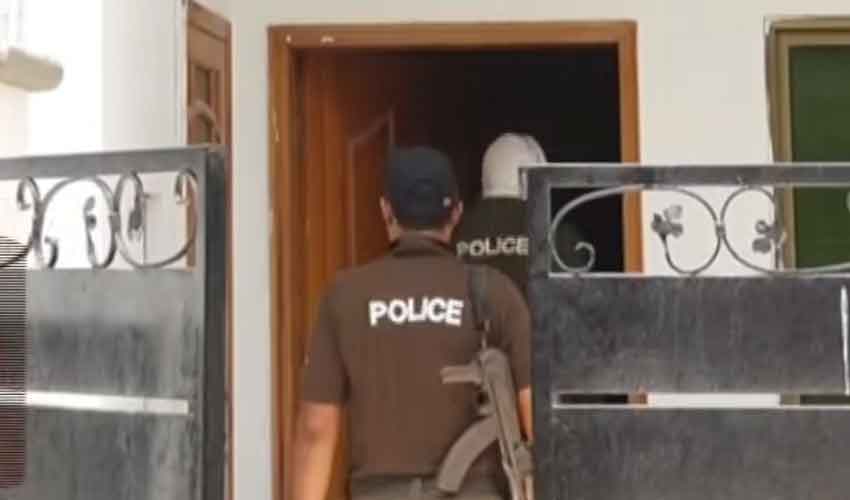
Regularly, terrifying news reports of crimes against women validate Pakistan’s ranking. Then surfaced a video of honour killing in Balochistan, further proving the claim. The unusual filmed incident shocked the nation and was condemned across the country. In the video, a couple, who reportedly married by their own choice, was murdered ruthlessly in the name of honour by the brother of the girl and others on the orders of a Jirga (tribal council). This very incident, along with regular crimes against women, exposes the deep-rooted patriarchal dictatorship existing in almost every Pakistani family.
Almost a quarter into the 21st century, Pakistani women are yet to feel safe even at home, let alone empowered or given the basic rights. The personal and professional choices of women are overruled. They remain at the risk of being physically, mentally, and sexually abused, even to the extent of being murdered (in the name of honour) at the hands of their family patriarchs.
Patriarchal dictatorship within family can be defined as authoritarian rule or control by the male heads over the family, specifically the females, where they enjoy absolute control over the choices of the women and deny their basic rights.
Education being the fundamental right is denied to most women in Pakistan, where female literacy rate stands at merely at 49 percent, with only 30-40 percent in rural areas. As per UNICEF, around 12 million girls aged 5-16 are out of school in the country. Moreover, only 40 percent women attain higher education. As a result, the female labour force participation, as reported by the World Bank, stands at only 24 percent as compared to the global and South Asian averages of 52.6 percent and 25.2 percent, respectively. These shocking figures prove that heads of the family perceive female education as a threat to their authority.
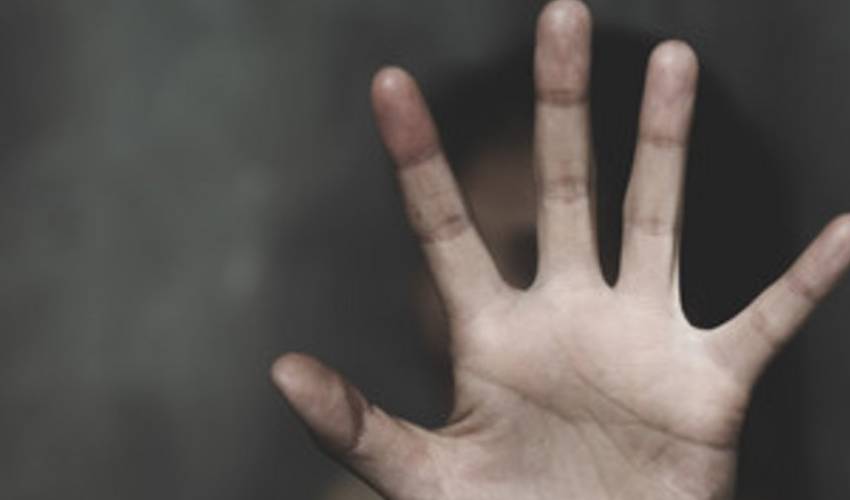
While tall claims are made about providing a safe environment for women in society, what happens to them inside their homes is barely discussed. From domestic and sexual violence to ruthless murders in the name of honour, Pakistani women are subjected to unimaginable traumas.
As per the National Commission for Human Rights, around 90 percent women in the country have experienced domestic violence. Women are physically, mentally and emotionally abused, and even killed by husbands and fathers, mostly, over issues as petty as serving cold food.
Some men direct their frustrations toward the women in their households to boost their egos and maintain their dominance. Cases like those of Noor Mukadam and Sania Zehra are prime examples of the abuse women have to endure, which does not end even with their deaths.
Moreover, in many rural and some urban areas, love marriages are considered a taboo. Some women who leave their homes to marry persons of their choice are killed in the name of honour by their families. Some months back in Karachi, a newlywed couple was gunned down by the girl’s brother for the same reasons. Also, a college student suspected of having an affair was murdered in the name of honour in Rawalpindi just a month ago.
Data from the Human Rights Commission Pakistan states that 346 women were killed for ‘honour’ in 2024. Some rights organisations claim that around 1,000 women are killed every year in the country.
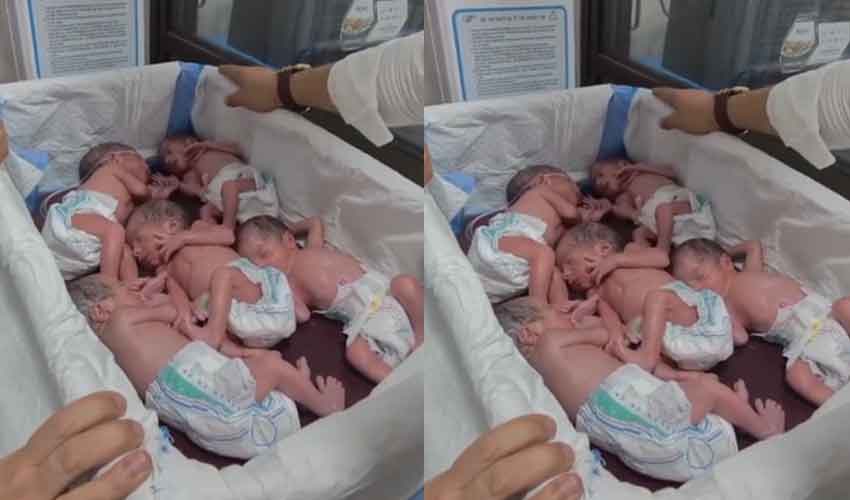
However, the honour for which a woman is killed seems to fade away when a woman is raped by a member of her family or relative. As per War Against Rape, a Karachi-based NGO, over 82 percent of rapists are family members, including fathers, brothers, grandfathers and uncles. Another study by the HRCP states that incest was implicated in 69 percent of reported sexual abuse cases. It is a shame that most of these cases go unreported for one reason or the other, and are brought to the limelight only when victims seek medical assistance, like abortion. This very specific issue is less talked about.
Another thing hampering women empowerment is early and forced marriages. As per UN Women, Pakistan is home to over 19 million child brides; 1 in 6 young women were married in childhood. This practice robs the girls of their childhood and opportunities, putting them under immense post-marital difficulties. It is also a by-product of family patriarchal dictatorship, where the elder men decide the marriage of their girls, preferably within family, completely disregarding the choice, like-mindedness and chemistry between the couple. In addition, watta-satta (exchange of women), giving women as a compensation, indifferent upbringing of women and anger upon the birth of a female, all contribute to women suppression in Pakistan. Given the sorry state of affairs, it is imperative to make a firm commitment, both at the individual and collective levels, to bring Pakistani women out of this vicious cycle of suffering. Since women make up more than half of Pakistan’s total population, prosperity sans their participation is impossible.
A major change in our behaviours and mind-set is a prerequisite if the goal of women empowerment is to be achieved. That change must begin at our homes, and the first step in this direction would be to guarantee our women’s basic rights, both human and civil. The entire civil society, as well as social, political, and religious leaders have a major role to play in this regard.
Women must be encouraged to report the atrocities they face, while counselling services must also be ensured by the government and NGOs. More facilitation centres for women may be established, while the existing ones must be improved. In case of violation of rights, the justice system would also have to be more active and swift to ensure women’s protection. The shackles of patriarchal control must be broken to truly empower women. The society, along with the government, must get its act together now and revolt against this widespread dictatorial setup. Otherwise, women empowerment will remain a myth and never turn into a reality.