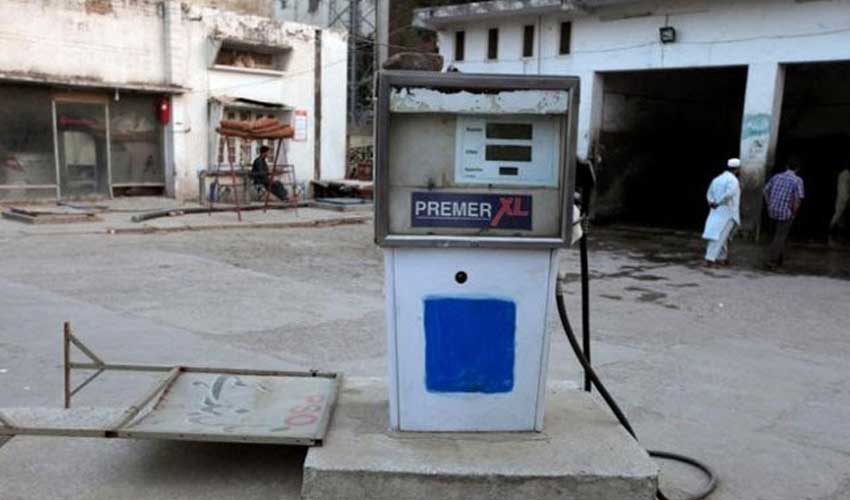
After tackling the electricity sector, the federal government has now turned its focus toward the elimination of circular debt in the gas sector, which has soared to Rs2,800 billion.
The Energy Task Force has finalized a comprehensive plan to address the crisis, with a mix of borrowing, subsidy cuts, and price adjustments under serious consideration.
According to official sources, the government is mulling over the option of taking loans from commercial banks on easy terms to pay off the Rs2,000 billion principal debt and Rs814 billion in interest. One proposal under review includes either waiving the interest or paying it in a lump sum to ease the financial pressure on gas companies.
To repay the bank loans over a seven-year period, the government is also considering shifting part of the financial burden to petroleum products. A petroleum levy ranging from Rs3 to Rs10 per litre is being proposed, which could generate Rs180 billion annually. However, this would still fall short of the estimated Rs250 billion required annually for debt repayment.
End of subsidies, rise in gas prices
The plan further includes a proposal to eliminate over Rs150 billion in gas subsidies, which are currently used to support protected domestic consumers. Officials say that if the average cost of gas is charged from all users, the circular debt could be wiped out. Instead, targeted subsidies would be provided through the Benazir Income Support Program (BISP) to shield the most vulnerable.
Currently, gas tariffs rely on a cross-subsidy model, where high-end consumers effectively subsidize low-end domestic users. The Energy Task Force believes this system is unsustainable and is preparing to move toward a more market-reflective pricing model.
The final decision will be taken after the completion of the ongoing audit of the circular debt figures in the gas sector. Once confirmed, the government is expected to begin implementing the plan in phases.
.jpg)
.jpg)