The federal government is considering a series of sweeping tax measures in the upcoming budget for FY2025-26, with a particular focus on increasing the tax burden on bank deposits and petrol-powered vehicles.
According to officials familiar with the matter, the government is expected to propose a hike in withholding tax on cash withdrawals made by non-filers.
The existing rate of 0.6 per cent may be doubled to 1.2pc, with an additional levy likely to apply on daily withdrawals exceeding Rs50,000. The move, sources say, aims to widen the tax net and discourage undocumented cash-based transactions.
Taxation on profit-generating instruments, including bank deposits and savings schemes, is also under review. A higher rate of tax on capital gains and profits is being considered to boost government revenue, which continues to remain under pressure amid a sluggish economy and IMF commitments.
In addition, an 18pc general sales tax (GST) is proposed for e-commerce transactions—up from the current lower slab—bringing digital platforms under the standard sales tax regime for the first time.
Levy on petrol, diesel vehicles
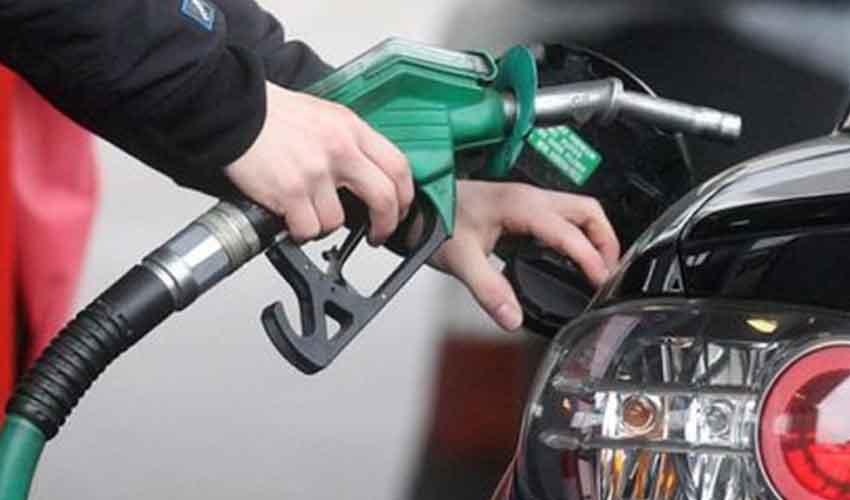
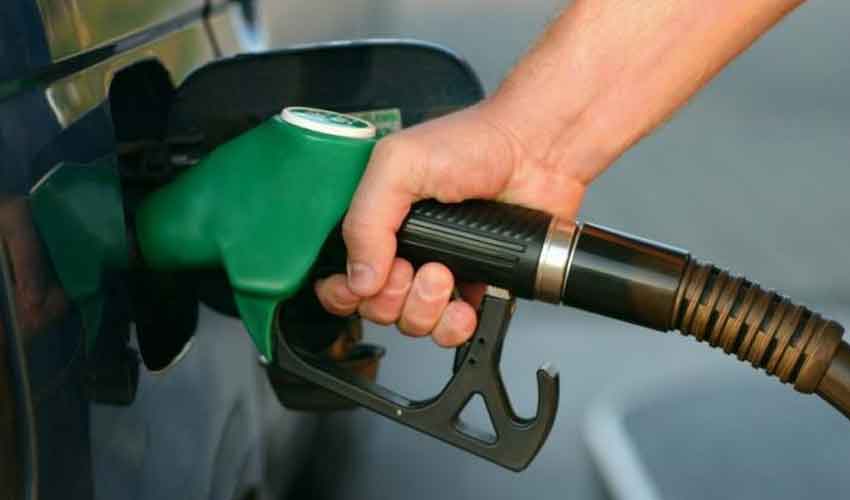
In a significant shift towards environmental regulation, the government is also mulling the imposition of a fresh levy on petrol and diesel-powered vehicles. The proposal, insiders say, is part of a broader strategy to promote fuel efficiency and nudge consumers towards electric and hybrid vehicles.
“Taxation will now be used not only to generate revenue but also to drive behavioural change,” said a senior official from the Federal Board of Revenue (FBR), speaking on condition of anonymity.
Additionally, the government is considering increasing the GST on locally manufactured vehicles, particularly small cars up to 850cc. The tax rate may rise from 12.5pc to 18pc, aligning it with the standard GST rate.
Super Tax Revisions
While most sectors are likely to see increased tax burdens, the government is weighing a reduction in the super tax rate for large corporations—a proposal reportedly backed by the business community and under review by the finance ministry. The reduction, if approved, may serve as an incentive for large-scale investment and job creation.