A high-level Pakistani delegation headed by former foreign minister Bilawal Bhutto Zardari has arrived in New York amid escalating tensions with India.
The delegation is set to engage with senior United Nations officials and international representatives to present Pakistan’s perspective on recent developments in South Asia.
According to official sources, the delegation will remain in New York until June 2.
During this period, Bilawal Bhutto and his team are scheduled to meet with the UN Secretary-General, the President of the General Assembly, and members of the UN Security Council.
They will also hold consultations with representatives of the Organization of Non-Aligned Countries (NAM) and the Organisation of Islamic Cooperation (OIC) to highlight Pakistan’s stance on the ongoing conflict.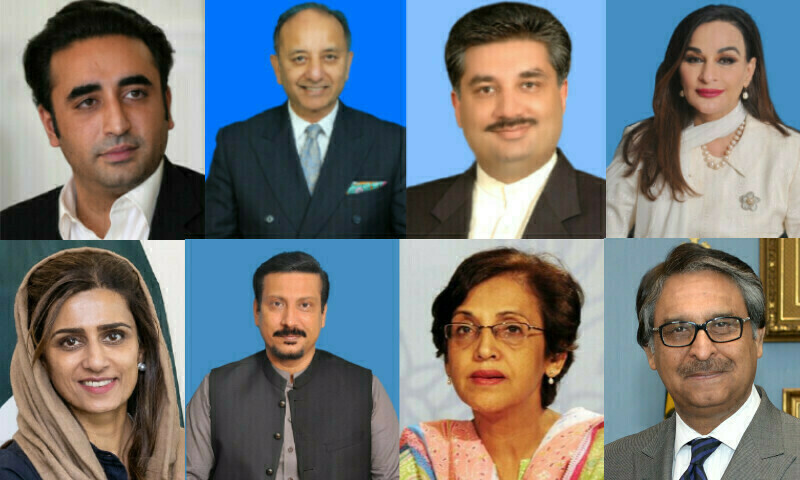
Following their New York visit, the delegation will proceed to Washington, D.C., where they will stay from June 3 to June 6. Meetings with senior American officials and think tanks are planned to further discuss the regional situation and seek international support.
The visit comes in response to a similar Indian delegation led by Member of Parliament Shashi Tharoor, which is also touring key global capitals to promote India’s narrative amid heightened tensions. India’s diplomatic efforts include visits to the US, UK, South Africa, Qatar, and the UAE.
Prime Minister Shehbaz Sharif constituted the Pakistani delegation with the mandate to counter Indian propaganda and inform the international community about the causes of recent hostilities and Pakistan’s commitment to peace.
Bilawal Bhutto Zardari, in a statement on social media platform X, said he had accepted the responsibility to represent Pakistan on the global stage and reaffirmed his commitment to serving the country during these challenging times.
The recent flare-up between Pakistan and India followed a series of incidents, including the killing of 26 tourists in Pahalgam, occupied Kashmir, on April 22.
Indian media outlets accused Pakistan of involvement, an allegation Islamabad has consistently denied. On the night of May 6-7, India launched air strikes across the Line of Control, prompting Pakistan to respond with effective air defence and downing of Indian aircraft.
Subsequently, Pakistan conducted operation Banyān-um-Marsoos, targeting Indian military installations on May 10.
The ceasefire agreement followed soon after, facilitated by the intervention of then-US President Donald Trump.



.jpg)