The Israeli military has begun calling up tens of thousands of reservists as it prepares to intensify its military operations in the Gaza Strip amid mounting criticism over the government’s handling of the conflict and its failure to secure the release of remaining hostages.
The Israel Defense Forces (IDF) said on Sunday that it was “increasing the pressure” on Hamas with a view to expanding the offensive into new areas of Gaza and dismantling what it described as the militant group’s “infrastructure above and below ground.”
The latest move follows a presentation made by military officials to Prime Minister Benjamin Netanyahu on Friday, outlining a phased plan for the renewed assault. Local media reported that the Israeli security cabinet has already approved the expansion, but the operation is unlikely to begin until after a scheduled visit by former US President Donald Trump next week.
No Israeli hostages have been released since March 18, when a two-month ceasefire broke down and the IDF resumed its offensive. According to Israeli authorities, 59 hostages remain in Gaza, with 24 believed to be alive. Despite ongoing international mediation, no new deal for a ceasefire or hostage release has been reached.
Critics, including families of hostages and sections of the Israeli public, have questioned the effectiveness of the current military strategy. Protests erupted across Israel on Saturday evening, with demonstrators urging the government to prioritise a negotiated deal with Hamas over continued military operations. In Tel Aviv, the mother of one hostage denounced the conflict as a “needless war.”
The expanded campaign is expected to place further strain on the army’s reserve force, some of whom have been called up as many as six times since the start of the war. Thousands of reservists have signed open letters in recent weeks demanding the government cease hostilities and focus on securing a deal for the hostages' release.
Prime Minister Netanyahu has repeatedly come under fire from both the families of captives and opposition politicians, who accuse him of prolonging the war for political gain — an allegation he denies. Nearly 19 months into the conflict, the premier has yet to present a detailed post-war plan for Gaza.
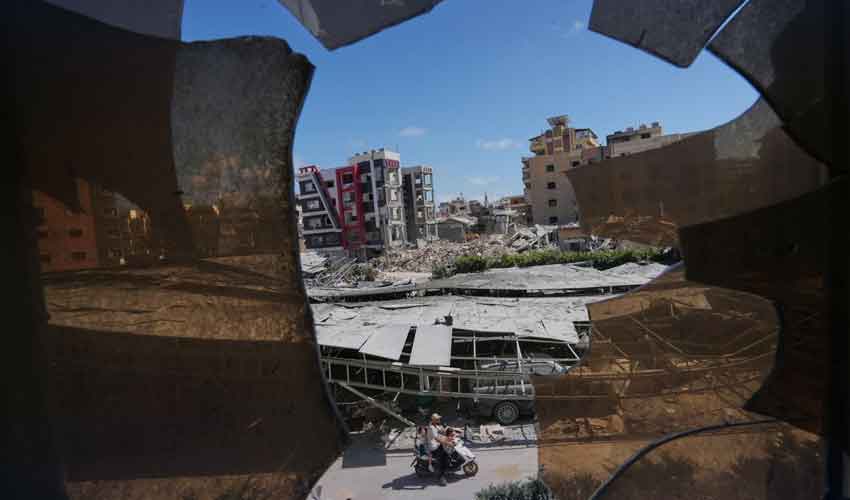
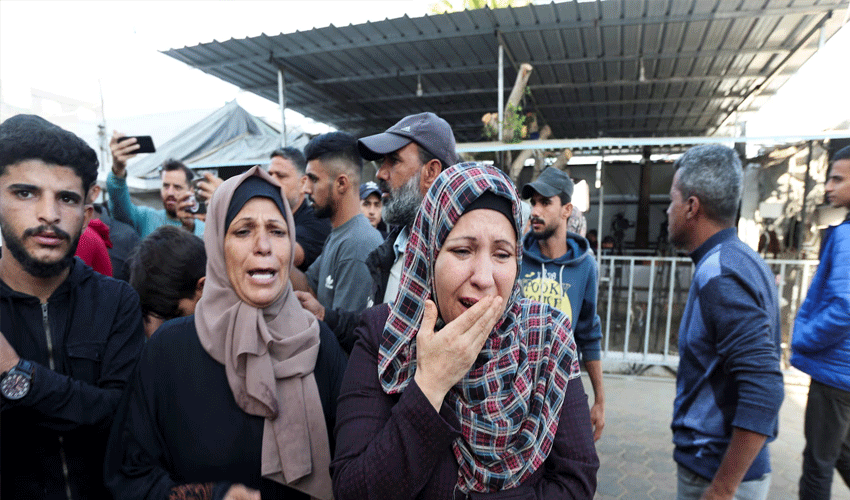
The Israeli military’s campaign began in response to a cross-border assault by Hamas on October 7, 2023, in which approximately 1,200 people were killed and 251 taken hostage. Since then, Israeli forces have seized swathes of territory in Gaza, triggering mass displacement and a humanitarian crisis that aid agencies warn is deepening by the day.
The Hamas-run health ministry in Gaza reported on Sunday that 40 Palestinians had been killed and 125 injured in the past 24 hours, bringing the total death toll since the start of the war to 52,535. The ministry said 2,436 of those deaths occurred after March 18.
International aid groups have decried the continuing blockade of humanitarian supplies into Gaza — now in place for over two months — as a deliberate tactic of starvation, which they warn may constitute a war crime. Israel has rejected such accusations, maintaining that its actions are aimed at pressuring Hamas to release the remaining hostages.
Adding to regional tensions, a missile fired by Yemen’s Iran-backed Houthi rebels landed near Israel’s main Ben Gurion airport on Sunday morning. While there were no immediate reports of casualties, Prime Minister Netanyahu vowed retaliation. The Houthis later issued a statement warning of an “aerial blockade” on Israel through repeated attacks on its airports.
The Israeli military confirmed that two more soldiers were killed in Gaza over the weekend, further fuelling public frustration as the war drags on with no clear resolution in sight.