An uneasy calm returned to the Middle East on Friday after two days of deadly military exchanges between the United States and Iran, as Pakistan and Qatar intensified mediation efforts to bring both sides back to the negotiating table and prevent a wider regional conflict.
Despite the recent escalation, US officials said Washington remains committed to resolving the crisis through diplomacy.
A US official said technical-level talks on Iran's nuclear programme are continuing, adding that the United States remains committed to a peaceful resolution but will not allow Iran to obtain nuclear weapons.
The diplomatic push comes after renewed military exchanges threatened to derail the Islamabad Memorandum of Understanding, under which both countries had agreed to work towards a permanent settlement of the conflict.
According to Anadolu Agency, Pakistani and Qatari officials have renewed contacts with Washington and Tehran, urging both sides to halt military action and resume negotiations.
Pakistani government sources familiar with the mediation efforts said Islamabad, together with Doha, is actively working to de-escalate tensions and facilitate the next round of negotiations.
Pakistan hopeful despite setbacks
Sources said the latest military escalation was unexpected but stressed that both sides understand a full-scale war is not in their interests.
Officials acknowledged that while further clashes cannot be ruled out, Pakistan remains optimistic diplomacy can still prevail.
Before the latest hostilities, US and Iranian negotiators were expected to hold technical talks in Islamabad within weeks. Those plans have now been delayed as mediators focus first on restoring calm.
Pakistan is expected to host the next round of negotiations once conditions allow.
Attacks paused after two days of fighting
The diplomatic efforts follow two days of heavy fighting during which the United States launched strikes on around 90 Iranian military targets, saying the operation aimed to weaken Iran's ability to threaten shipping through the Strait of Hormuz.
Iran responded with missile and drone attacks targeting US military facilities in Kuwait and Bahrain while also issuing fresh warnings against further American military action.
RELATED: Iran says US strikes leave 14 dead, 78 wounded in two days
Iran's Health Ministry said US attacks over the past 48 hours killed 14 people and wounded 78 others across five provinces.
Regional diplomacy gathers pace
Iranian Foreign Minister Abbas Araghchi also spoke by phone with Saudi Foreign Minister Faisal bin Salman to discuss the regional security situation following the latest escalation.
Read also: Iran's slain Supreme Leader Ali Khamenei buried in Mashhad
Meanwhile, Qatar's Prime Minister Sheikh Mohammed bin Abdulrahman Al Thani urged both Washington and Tehran to return to diplomacy, saying implementation of the existing memorandum could still provide a pathway to a lasting agreement.
Uncertain road ahead
Although military activity has subsided for now, the ceasefire remains fragile.
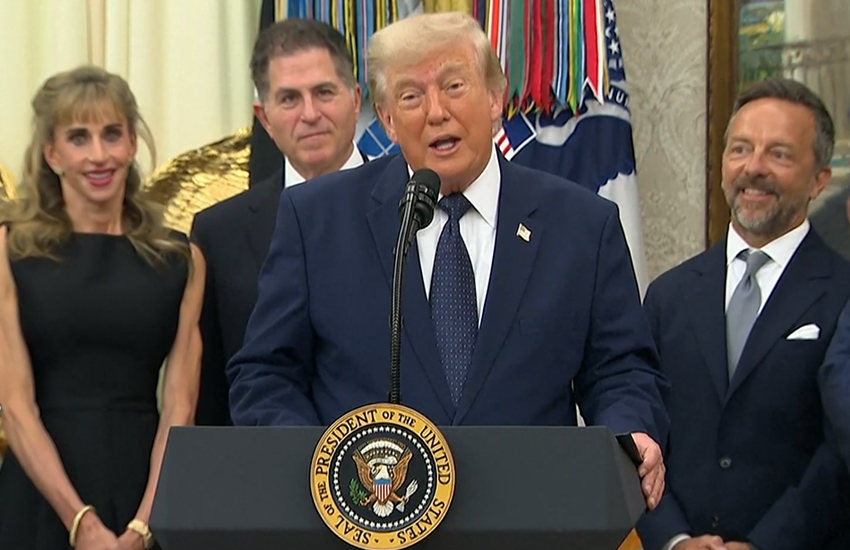
President Donald Trump earlier declared that the ceasefire was effectively over, while Iranian officials warned they would respond forcefully to any future attacks.
Even so, diplomats involved in the mediation effort say preventing another round of hostilities and restarting technical negotiations remain the immediate priorities.