Spain is likely to attract 100 million foreign tourists this year with the number of visitors expected to grow during the key summer season helped by uncertainty in the Middle East, Tourism Minister Jordi Hereu told reporters on Monday.
The world's second-most-visited country after France welcomed 96.8 million tourists in 2025, which represented a record high and an increase of 3.2% compared with the previous year.
"We will probably reach (100 million) if this trend continues. It would be the natural outcome," Hereu said.
The government estimates tourists will contribute €64 billion ($73 billion) to the economy between June and September, up 10% from the same period last year, reinforcing tourism's role as a key driver of Spain's economic growth and helping the country outperform its European peers.
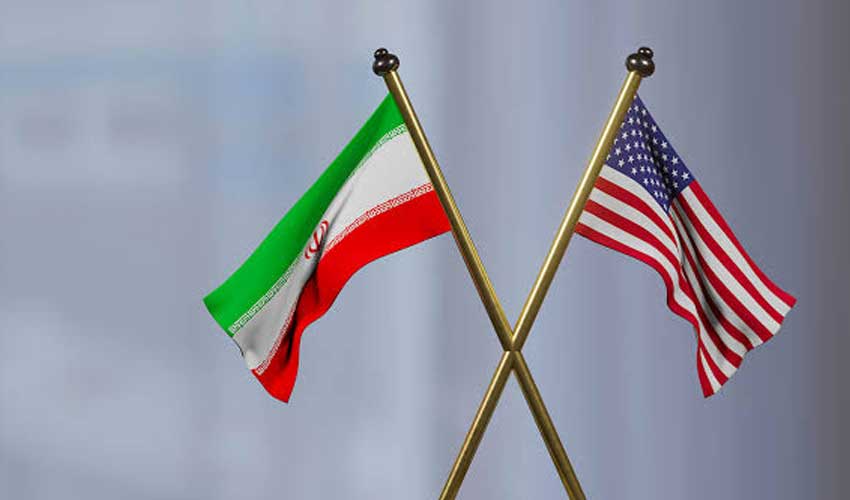
This summer, some 43 million international tourists are forecast to visit Spain, 6% more than in the June-September period last year. The government sees the number of arrivals rising — like it did in the spring — despite the geopolitical uncertainty surrounding the US-Israeli war on Iran.
Over the past few months, turmoil in the Middle East diverted some travellers from destinations in the region and boosted demand for southern Mediterranean countries, including Spain.
"Three months ago, we thought the conflict in the Middle East could slow tourist arrivals, but the data shows remarkable resilience despite the circumstances," Hereu said.
By October 1, visitor arrivals are forecast to climb to nearly 80 million, a stronger performance than authorities expected in March.
While traditional sun-and-beach destinations are expected to continue growing this summer, the government said inland regions will likely see even bigger gains, helped in part by the total solar eclipse in August, which will be visible across a broad swathe of rural and northern Spain.
Hereu said many rural accommodations have been fully booked because of interest in the eclipse.
The minister said steering tourists inland to lesser-known areas would also help Spain deal with the overcrowding in popular coastal destinations that has triggered a backlash from residents. He urged regional governments to manage tourism offerings, arguing that demand will continue to grow.