Global oil prices slipped on Tuesday as hopes for renewed talks between the United States and Iran eased market concerns.
The decline comes despite ongoing disruptions caused by tensions in the Middle East.
Investors are closely watching diplomatic developments for signals on future supply stability.
Oil prices edge lower
Benchmark crude prices declined in early trading amid easing fears of prolonged supply disruptions.
Brent crude futures fell by 62 cents, or around 0.6%, to $98.74, while U.S. West Texas Intermediate (WTI) dropped $2.30, or 2.3%, to $96.78.
The drop follows a sharp surge in the previous session, when prices rose after the U.S. military initiated a blockade of Iranian ports.
Signs of possible negotiations between the United States and Iran have helped calm investor concerns.
Officials from both sides have left the door open for dialogue, raising expectations of a potential de-escalation.
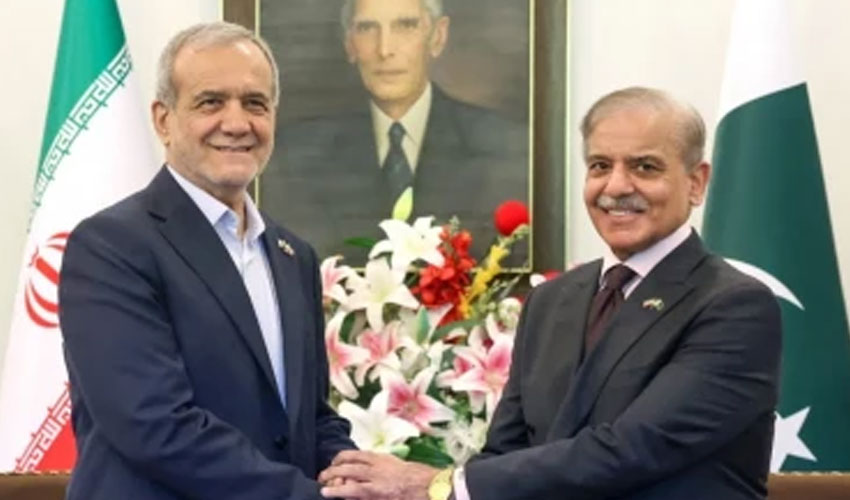
Sources indicate that negotiating teams could return to Islamabad later this week, with continued engagement aimed at reaching an agreement.
The situation remains tense around the Strait of Hormuz, a critical route for global energy supplies.
The U.S. military has extended its blockade from the Strait of Hormuz to the Gulf of Oman and the Arabian Sea.
Ship-tracking data showed vessels turning back as the blockade began, highlighting immediate disruptions to oil flows.
In normal conditions, the strait handles nearly one-fifth of the world’s oil and gas shipments.
IEA reports historic supply disruption
The International Energy Agency reported that attacks on energy infrastructure and the effective closure of the strait caused the largest oil supply disruption in history.
According to its monthly report, around 10.1 million barrels per day were lost in March alone.
The agency has also lowered its forecasts for global oil supply and demand growth.
Following the collapse of recent talks in Islamabad, Iran warned it could target ports in Gulf nations.
Meanwhile, NATO allies including Britain and France have refrained from joining the blockade, instead calling for the reopening of the waterway.
Despite tensions, some Iran-linked tankers were allowed to pass through the Gulf as long as their destinations were not Iranian ports.
Analysts say that while hopes for talks are currently easing prices, the underlying supply shortage remains a major concern.
They warn that if negotiations fail, oil prices could surge again, especially as global inventories continue to decline.