Iran has rejected US President Donald Trump’s 48-hour ultimatum to reopen the Strait of Hormuz, warning that further aggression could turn the entire region into “hell.”
The statement comes amid ongoing strikes on Iranian nuclear and energy facilities, escalating tensions in the Middle East.
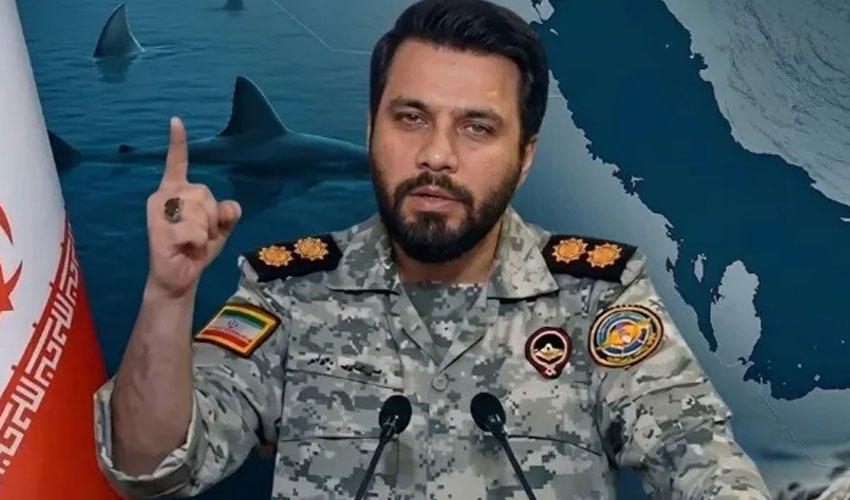
A spokesman for the Khatam al-Anbiya Central Headquarters, part of Iran’s Revolutionary Guards, issued a stark warning to President Trump.
He stated, “Do not forget that if you increase aggression, the entire region will be turned into hell for you. The illusion of defeating the Islamic Republic of Iran has already become a quagmire and will now sink into it.”
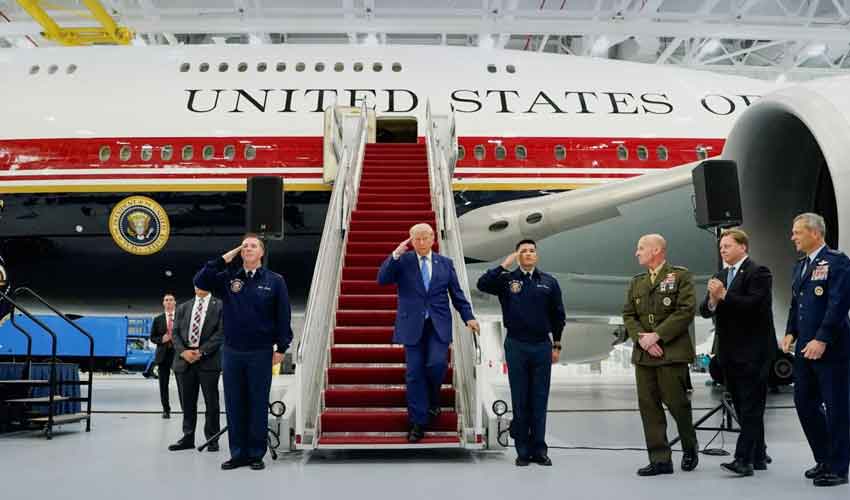
This marks a strong response to Trump’s repeated threats over the Strait of Hormuz, which he had demanded to be reopened within a 48-hour window.
Attacks on nuclear and energy facilities
Despite Trump’s earlier claims that Iran would face consequences only after the deadline, strikes on key energy facilities and a nuclear power plant continued on Saturday.
The ongoing attacks underscore the volatility of the conflict, with experts warning that targeting nuclear infrastructure could risk the spread of radiation, further destabilizing the region.
Trump’s ultimatum and regional tensions
On social media, Trump reiterated that time was running out for Iran to “make a deal or open the Hormuz Strait.” The Strait of Hormuz is a critical chokepoint for global oil shipments, and any closure could have severe implications for international energy markets.
The brief post on Truth Social did not mention the ongoing search for a US pilot who ejected after an F-15 jet was downed over Iran earlier this week.
Iran’s Foreign Minister Abbas Araghchi sent letters to the heads of the United Nations and the International Energy Agency, emphasizing that further attacks on nuclear and civilian infrastructure violate international law and could escalate the conflict uncontrollably.
Analysts warn that if the standoff intensifies, the Middle East could face widespread military and humanitarian consequences, complicating ongoing diplomatic efforts.