In response to escalating tensions in the Middle East and the closure of the Strait of Hormuz, the Pakistani government has proposed reviewing petroleum prices weekly instead of every 15 days.
Emergency steps are being taken to secure petrol and diesel supplies, while energy-saving measures are also under consideration.
The government, in a meeting chaired by Federal Finance Minister Muhammad Aurangzeb, assessed the impact of rising global oil prices and supply disruptions due to regional instability. Officials were informed that although the Strait of Hormuz closure has affected imports, Pakistan currently has sufficient petrol and diesel reserves, with a stockpile covering 25 days of supply.
To mitigate risks, the Pakistan State Oil (PSO) has issued new tenders for petrol and diesel, and requests have been made to Saudi Arabia to secure oil through alternative routes. Insurance costs for oil tankers have surged, and the government is considering covering additional expenses to ensure uninterrupted supply.
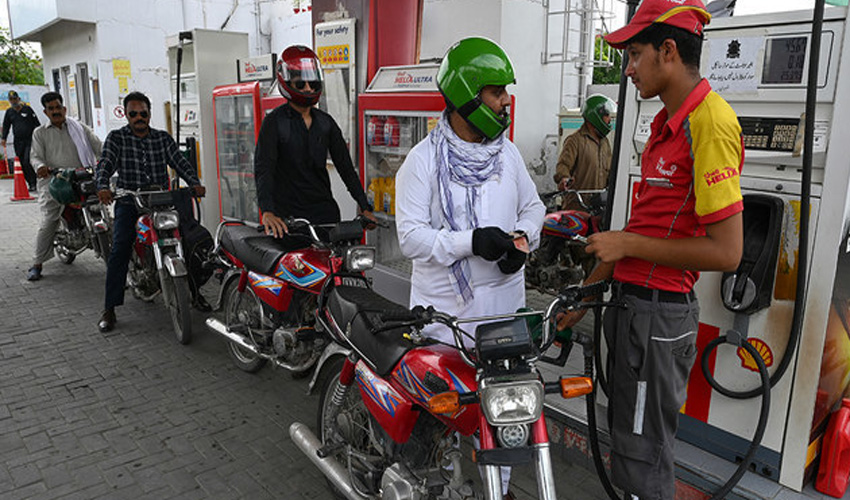
Preventing fuel hoarding and panic
The All Pakistan Petrol Pump Owners Association urged the Prime Minister to prevent artificial shortages and panic caused by limited quotas and order cancellations. Sources emphasized that OMCs (Oil Marketing Companies) are required to maintain at least 20 days of fuel stock, and the government has proactively increased reserves over the past two months.
Officials stressed that fuel supply will follow recorded demand for the next eight months, with strict monitoring of hoarding and smuggling.
Energy conservation, smart working plans
Alongside fuel security, the government is preparing a national action plan for energy conservation. Proposals include online and smart working systems, modeled after the COVID-19 era, to reduce energy consumption:
-
Online sessions for educational institutions in March 2026.
-
Corporate and telecom sectors may adopt online working two days a week.
-
Essential staff only to be present in all offices, with minimum on-site attendance.
-
Online services for citizens and potential employees two days per week.
These measures aim to curb energy demand while ensuring government and corporate operations continue smoothly.
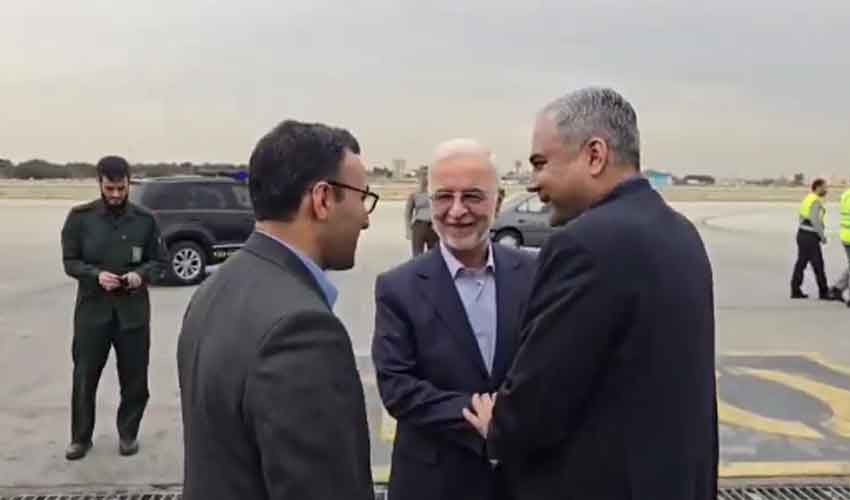
To further secure petroleum supplies, Minister for Petroleum Ali Pervez Malik met the Saudi ambassador and confirmed a fuel shipment from Yanbu Port, along with another shipment from ADNOC in Fujairah Port. These steps aim to preempt potential shortages amid rising global oil costs and regional uncertainty.