
TikTok has reached a landmark agreement to hand over significant control of its U.S. business to a group of American investors, bringing an end to years of political and regulatory pressure over national security concerns.
TikTok’s parent company ByteDance confirmed the development in an internal memo from CEO Shou Chew. The memo describes the arrangement as a “new TikTok U.S. joint venture,” marking a major shift in the platform’s U.S. operations.
Under the deal, a group of major American investors will take substantial control of TikTok’s U.S. business. The investor group includes cloud services giant Oracle, technology-focused private equity firm Silver Lake, and MGX, an Abu Dhabi-based investment firm specializing in artificial intelligence.
Together, these firms will own 45% of TikTok’s U.S. operations. ByteDance will retain a nearly 20% stake, according to the memo viewed by TechCrunch.
Inside the TikTok USDS joint venture
The newly formed entity has been named TikTok USDS Joint Venture LLC.
It will oversee critical areas of the app, including data protection, algorithm security, content moderation, and software assurance.
The memo states that a trusted security partner will audit and validate compliance with national security requirements.
Oracle is set to serve as the trusted security partner once the transaction is completed.
The closing date for the agreement is listed as January 22, 2026. The development was first reported by Axios.
Background
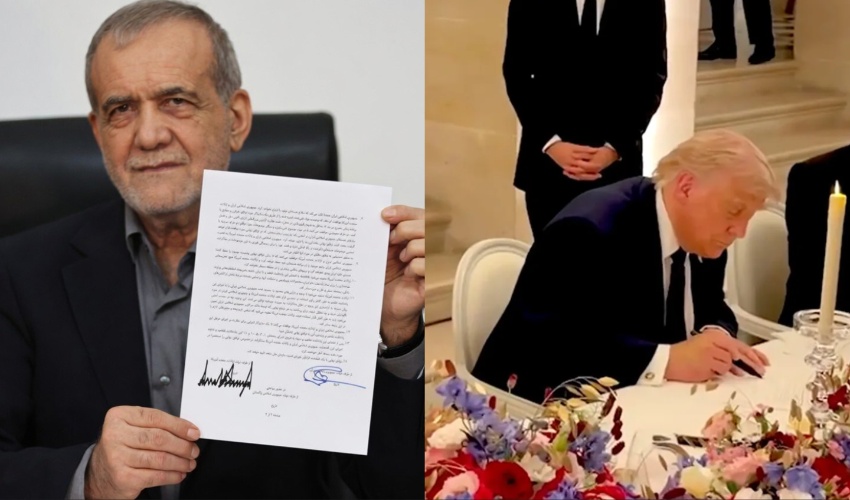
The structure of the deal closely mirrors language used in an executive order signed by President Donald Trump in September.
That order approved the sale of TikTok’s U.S. operations to an American investor group.
CNBC had earlier reported that Oracle, Silver Lake, and MGX were expected to be the primary investors.
Until now, ByteDance had not publicly shared details of the agreement, stating only that it would comply with U.S. law to keep TikTok available to American users.
US authorities have long sought to separate TikTok’s American business from its Chinese parent company.
Officials have repeatedly cited national security concerns, particularly around data protection and potential foreign influence.






.jpg)