Ukraine’s President Volodymyr Zelenskiy says recent talks with US representatives on a peace plan were “constructive, although not easy,” as diplomatic efforts accelerate.
The comments come ahead of high-level meetings with European leaders in London and Brussels this week.
In his nightly video address, Zelenskiy said US representatives “know the basic Ukrainian positions” after a Saturday call with US President Donald Trump’s special envoy Steve Witkoff and Jared Kushner. He emphasized that while dialogue was productive, it remained complex given the war’s unresolved political and territorial disputes.
Zelenskiy is scheduled to meet leaders of France, Britain, and Germany on Monday in London, with further consultations planned in Brussels.
US peace push enters sensitive phase
Trump has repeatedly said that ending Russia’s full-scale invasion of Ukraine -- now approaching its fourth year -- remains his toughest foreign policy challenge. Despite US mediation, negotiations have moved slowly due to disagreements over security guarantees for Kyiv and the status of Russian-occupied territory.
Moscow claims it is open to negotiations but accuses Kyiv and the West of blocking peace efforts. Ukraine and its allies counter that Russia is stalling to consolidate battlefield gains.
Also Read: Zelensky reports progress in US-backed peace talks
European leaders continue to push for a step-by-step diplomatic process, tied to long-term security guarantees and ongoing military aid. Trump, in contrast, has focused on rapid deal-making and burden-sharing, contributing to diplomatic uncertainty.
US envoy says deal 'really close'
US Special Envoy for Ukraine Keith Kellogg, who steps down in January, told the Reagan National Defense Forum that efforts to resolve the conflict were in “the last 10 metres,” calling it the hardest part of the process. He said a deal was “really close” and hinged on just two unresolved issues:
-
The future status of Donbas
-
The fate of the Zaporizhzhia nuclear power plant, Europe’s largest, currently under Russian control
“If we get those two issues settled, I think the rest will work out fairly well,” Kellogg said, adding: “We’re really, really close.”
But Moscow pushed back.
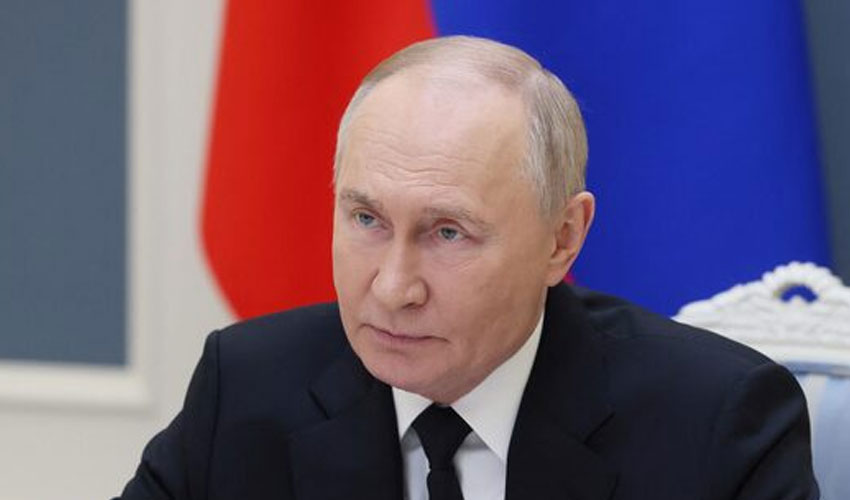
After President Putin’s four-hour meeting with Witkoff and Kushner last week, Kremlin aide Yuri Ushakov said Washington would need to make “radical changes” to its proposals. He did not specify what revisions Russia demanded.
Ushakov confirmed that “territorial problems” -- a Kremlin shorthand for Russia’s claims over all of Donbas -- had been central to the talks.
Kyiv rejects ceding Donbas without referendum
Zelenskiy has repeatedly said that surrendering the remaining Ukrainian-controlled portions of Donetsk would be illegal without a referendum. He warned that handing over the territory would give Russia a launching pad for future assaults deeper into Ukraine.
Also Read: Next steps for Ukraine talks unclear after Moscow meeting, Trump says
Almost all countries recognize Donbas as part of Ukraine, even though Russia currently controls large parts of the region.
The Kremlin, meanwhile, expects Kushner to lead drafting of any potential agreement, according to official statements.
Human cost grows as war drags on
Kellogg, a retired US lieutenant general, said the scale of casualties was “horrific” and unprecedented for a regional conflict. He estimated that more than two million men -- Ukrainian and Russian combined -- have been killed or injured since February 2022.
Neither country releases reliable casualty figures.
Russia currently controls 19.2% of Ukraine, including all of Luhansk; over 80% of Donetsk; about 75% of Kherson and Zaporizhzhia; Crimea, annexed in 2014; small parts of Kharkiv, Sumy, Mykolaiv, and Dnipropetrovsk.
Leaked US proposals spark concern in Kyiv, Europe
A leaked set of 28 US draft peace proposals last month alarmed Ukrainian and European officials, who said the drafts appeared to concede to Moscow’s key demands, including restrictions on Ukraine’s military and acceptance of Russian control over one-fifth of Ukrainian territory.
For now, all sides acknowledge that negotiations remain fragile, highly sensitive to political shifts in Washington, and far from guaranteed.

.jpg)