The 30th UN climate conference (COP30) opened in Brazil on Monday, with global leaders urged to set aside differences and unite against the escalating climate crisis.
The 12-day summit brings together 50,000 participants from over 190 countries near the Amazon rainforest.
Simon Stiell, UN climate chief, told delegates: “Your job here is not to fight one another – your job here is to fight this climate crisis, together.” He stressed that while past climate agreements have made progress, “much more work remains.”
New UN analysis warns that current national climate plans fall far short of the reductions needed by 2035 to limit global warming to 1.5°C above pre-industrial levels. Experts caution that exceeding this threshold will bring far more severe consequences worldwide.
Brazilian leadership pushes ambition
President Luiz Inacio Lula da Silva highlighted the present-day impacts of climate change, saying, “Climate change is no longer a threat of the future. It is a tragedy of the present.” He condemned those undermining climate action, adding: “It’s time to inflict a new defeat on the deniers.”
Lula’s call comes as Brazil hosts the COP30 summit at the edge of the Amazon, emphasizing the country’s critical role in global climate efforts.
US absence and developing nations’ spotlight
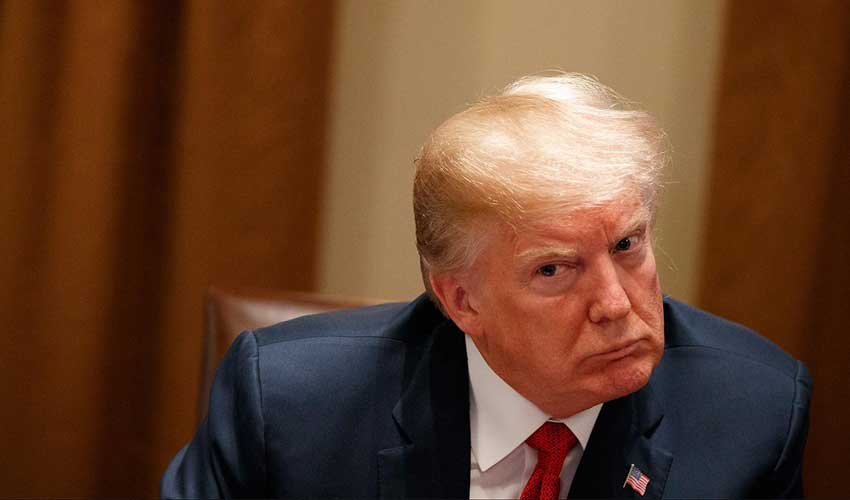
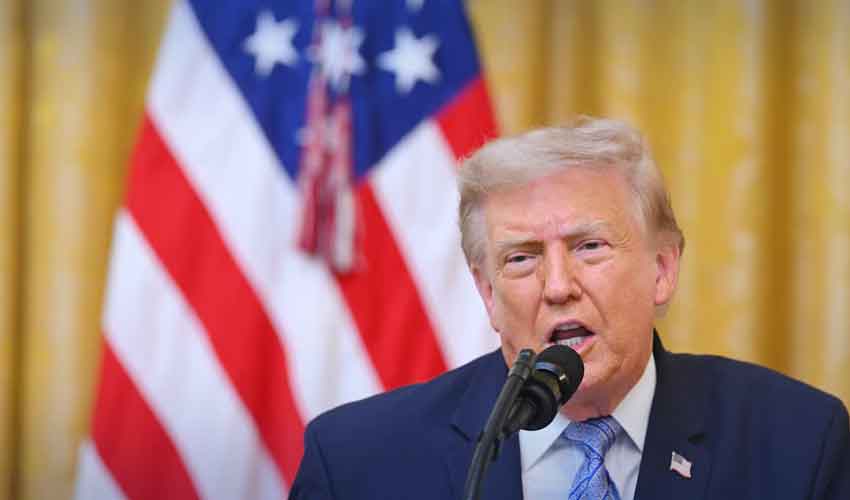
The United States has opted not to send delegates, reflecting former President Donald Trump’s anti-climate stance. Todd Stern, former US climate envoy, noted, “It wasn’t going to be constructive if they did.”
COP30 President Andre Correa do Lago suggested the US absence allows the world to better observe the climate initiatives led by developing countries.
Pablo Inuma Flores, an Indigenous leader from Peru, urged world leaders to act beyond pledges, saying, “We want to make sure that they will start protecting, because we as Indigenous people are the ones who suffer from these impacts of climate change.”
Meanwhile, dozens of scientists warned about accelerating ice melt in a letter to COP30: “The cryosphere is destabilising at an alarming pace. Geopolitical tensions or short-term national interests must not overshadow COP30. Climate change is the defining security and stability challenge of our time.”
.jpg)