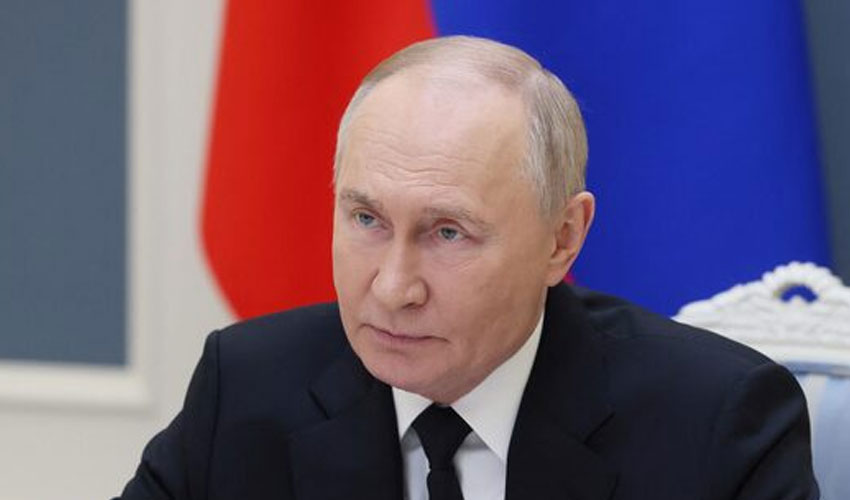
US President Donald Trump has threatened to sue the BBC for at least $1 billion after the British broadcaster admitted to misleadingly editing a 2021 speech he delivered on the day his supporters stormed the US Capitol.
The controversy has triggered a leadership crisis at the BBC, leading to the resignation of Director General Tim Davie and BBC News Chief Executive Deborah Turness, both of whom stepped down on Sunday following mounting allegations of bias.
According to a letter sent by Trump’s lawyers on Sunday, the BBC must retract its Panorama documentary by November 14 or face a lawsuit demanding damages of “no less than $1 billion.”
The letter accuses the broadcaster of defamation under Florida law, alleging it spliced two excerpts of Trump’s speech to make it appear that he was inciting violence during the January 6, 2021 Capitol riot.
The BBC acknowledged that the editing was an “error of judgment”, saying it gave a “misleading impression” and should have been handled more carefully.
“The BBC would like to apologise for that error of judgment,” Chairman Samir Shah said in a letter to British lawmakers, while denying accusations of systemic bias in the corporation’s news coverage.
Leadership resignations plunge BBC into crisis
The scandal deepened after an internal standards report was leaked to the Daily Telegraph, exposing the Trump speech edit and raising concerns about editorial bias across BBC News.
The dossier—compiled by former standards adviser Michael Prescott—also criticised the broadcaster’s coverage of the Israel-Gaza war and transgender issues, and accused senior executives of failing to act on repeated warnings.
Both Davie and Turness resigned on Sunday, accepting responsibility for the “serious lapse in judgment.”
“Mistakes have been made, and I must take ultimate responsibility,” Davie said in his resignation statement. Turness, in an email to staff, rejected claims that the BBC was institutionally biased, writing, “I want to be absolutely clear that these allegations are wrong.”
Trump reacts, calls BBC executives 'dishonest people'
In a post on his social media platform, Trump welcomed the resignations, calling the two executives “very dishonest people.”
“They tried to influence a US presidential election. On top of everything else, they are from a foreign country—one that many consider our Number One Ally. What a terrible thing for democracy!” he wrote.
Trump’s legal team claims the BBC “deliberately omitted facts and deceptively juxtaposed footage” to distort what he said during the rally.
While US defamation law makes it difficult for public figures to win such cases, Trump’s team cited recent settlements he reached with CBS and ABC News as precedents.
BBC chair Samir Shah promises accountability
BBC Chair Samir Shah, who took over amid growing political pressure, said the broadcaster is “considering” how to respond to the legal threat.
“We will review the letter and respond directly in due course,” the BBC said in a statement to Reuters.
When asked if Trump was likely to sue, Shah said, “I do not know that yet, but he’s a litigious fellow, so we should be prepared for all outcomes.”
He defended the BBC’s long-standing reputation for impartiality, adding: “BBC News’ DNA and culture is to be impartial. It’s to provide the most trustworthy news we can.”
Political fallout and government response
British Prime Minister Keir Starmer’s spokesperson expressed confidence in the BBC, saying the government does not believe the corporation is institutionally biased or corrupt.
“Clearly mistakes have been made in this case, and the Director General and Deborah Turness have taken responsibility,” the spokesperson said. “What’s important is that the BBC maintains the high standards for which it is rightfully recognised internationally.”
Meanwhile, Culture Minister Lisa Nandy thanked Davie for his service, acknowledging the BBC’s role as a “pillar of public trust” but calling for renewed efforts to ensure editorial integrity.
BBC’s broader challenges: from Lineker to Gaza coverage
The BBC has faced a series of editorial controversies in recent years.
-
In 2023, sports presenter Gary Lineker was suspended for criticising the government’s immigration policy, sparking a mass staff walkout.
-
Earlier this year, the broadcaster pulled a documentary on Gaza over conflict-of-interest concerns.
-
At the Glastonbury Festival, it was criticised for airing a performance that included chants against the Israeli military.
The leaked internal report also claimed BBC Arabic had shown anti-Israel bias, while coverage of gender and identity issues had been influenced by internal pressure groups.
Blow to BBC’s global image
The crisis comes as the BBC prepares to negotiate its new funding charter in 2027, amid political scrutiny of its licence fee model.
Despite the backlash, the BBC remains Britain’s most trusted news organisation and a leading global broadcaster.
Davie, in his farewell remarks, said: “The BBC should be championed, not weaponised. But we are not perfect, and in these febrile times, responsibility must begin at the top.”

.jpg)