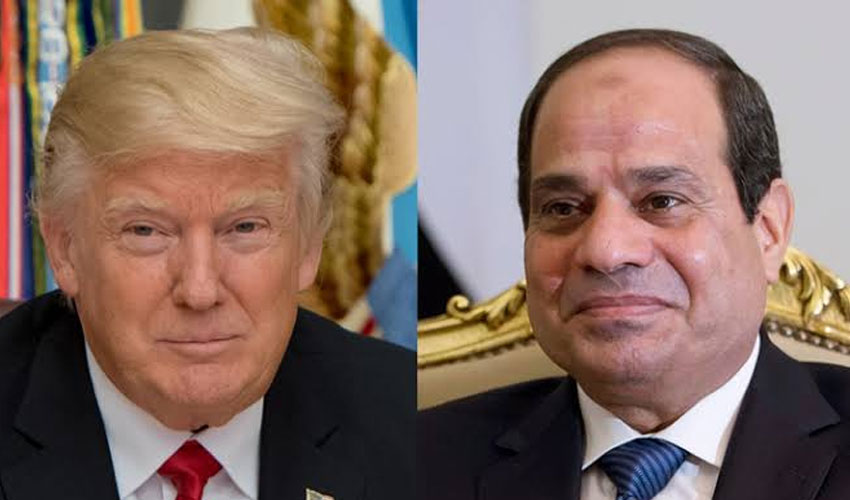
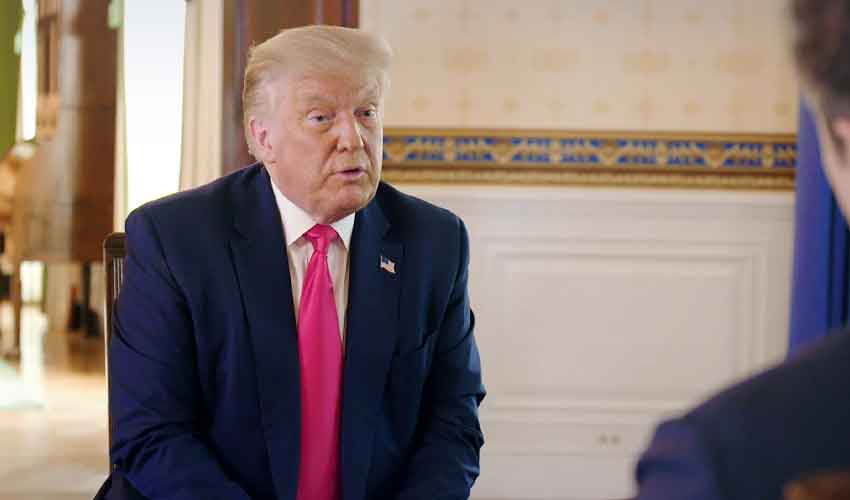
Egyptian President Abdel Fattah el-Sisi and U.S. President Donald Trump will jointly chair a high-stakes international summit in Sharm el-Sheikh on Monday, aimed at cementing a ceasefire and restoring stability in Gaza after two years of devastating conflict.
According to the Egyptian presidency, the summit will host leaders from more than 20 countries, including UN Secretary-General Antonio Guterres, UK Prime Minister Keir Starmer, France’s Emmanuel Macron, Italy’s Giorgia Meloni, and Spain’s Pedro Sanchez.
The meeting seeks to “end the war in the Gaza Strip, enhance peace and stability in the Middle East, and usher in a new era of regional security,” the presidency said in a statement on Saturday.
However, it remains unclear whether Israeli Prime Minister Benjamin Netanyahu or any Hamas representatives will attend.
Ceasefire brings fragile calm to Gaza
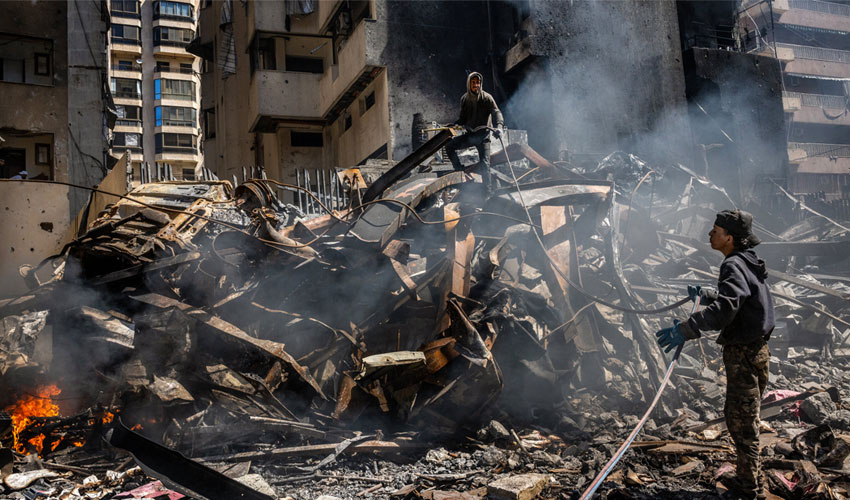
The summit follows a U.S.-brokered ceasefire between Israel and Hamas, marking the first phase of Trump’s plan to end the war. The truce has largely held, allowing tens of thousands of Palestinians to return north along Gaza’s devastated coastline — many finding only rubble where their homes once stood.
Israeli forces have begun a partial withdrawal from parts of the enclave as the death toll surpasses 67,000, and humanitarian agencies continue warning of famine and widespread destruction.
Al Jazeera’s Hani Mahmoud, reporting from Gaza City, said the ceasefire “ended one form of violence, but the struggle continues,” as residents face severe shortages of shelter, water, and food.
Humanitarian efforts and recovery operations
Gaza’s Government Media Office reported over 5,000 public operations since the ceasefire took effect, including 850 rescue missions and 900 service operations to restore water and sewage systems.
Officials said 150 bodies were recovered across the Strip since Friday, including 28 from Khan Younis. The city’s mayor estimates 85% of southern Gaza has been destroyed, with nearly 400,000 tonnes of debris to be cleared.
Despite efforts by the Gaza Civil Defence and local teams, Israel’s blockade continues to restrict fuel and equipment needed for recovery.
Aid agencies demand opening of crossings
The World Food Programme (WFP) and UNICEF have urged Israel to reopen additional border crossings to allow humanitarian aid into Gaza.
WFP’s country director Antoine Renard said his team was ready to restart 145 food distribution points across the territory once access was granted. UNICEF plans to scale up supplies of high-energy food, hygiene kits, and tents starting Sunday.
As part of the ceasefire deal, Hamas is expected to release 20 living Israeli captives and the bodies of 28 others on Monday. In exchange, Israel will release about 250 Palestinian prisoners and 1,700 detainees from Gaza held without charge.
Rights groups have accused Israel of mistreating detainees during previous exchanges, documenting cases of physical abuse, humiliation, and medical neglect.
Meanwhile, tens of thousands of Israelis gathered in Tel Aviv’s Hostages Square to celebrate the long-awaited releases, chanting “Thank you, Trump” and “Thank you, Witkoff” — referring to U.S. envoy Steve Witkoff, who helped negotiate the ceasefire.


.jpg)