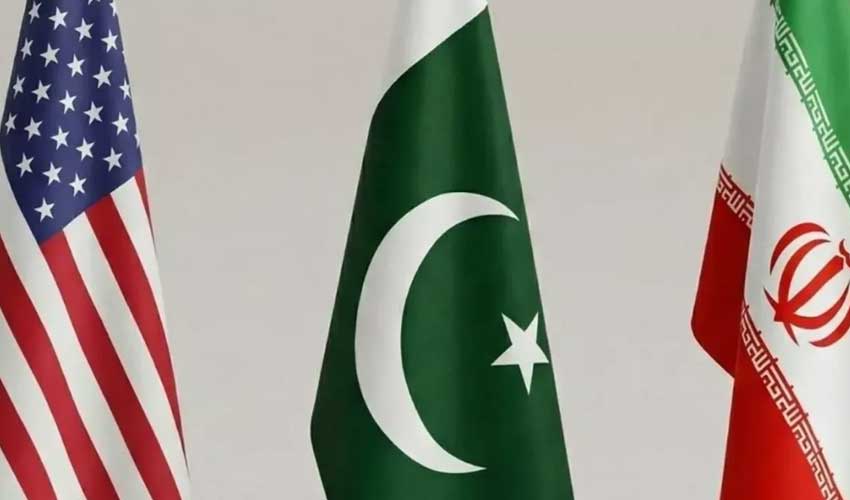
So, the sulk has begun. US President Donald Trump striking a trade deal and announcing oil partnership with Pakistan is being treated as though Washington has just transferred the nuclear codes to Islamabad. At least this is how India has been reacting ever since the announcement. To rub salt in the wound, the US has slashed the reciprocal tariff for Pakistan from the previously announced 29% to 19%, while keeping it unchanged at 25% for India. The development did not sit well with New Delhi, which fails to understand what Trump has said time and again – that his country looks for lasting partners, and not leeches.
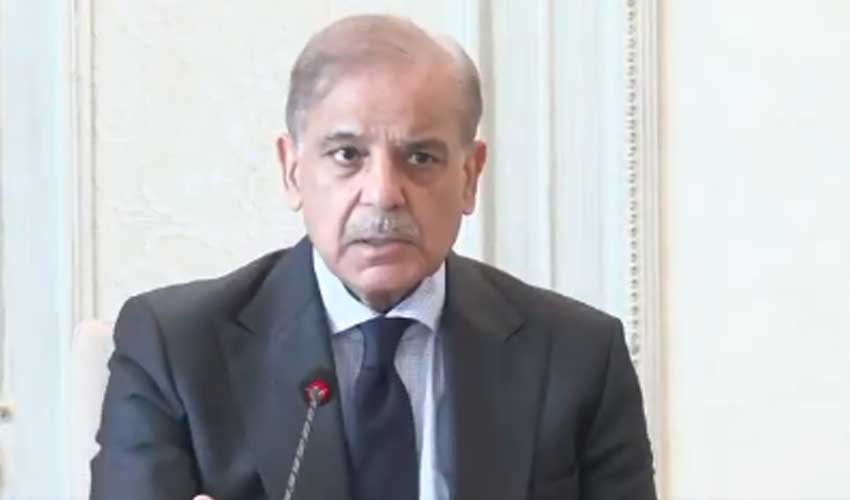
Both Pakistan and the US separately announced the bilateral agreement following the final round of talks between Finance Minister Muhammad Aurangzeb-led delegation from Pakistan and US Secretary of Commerce Howard Lutnick, who was accompanied by US Trade Representative Ambassador Jamieson Greer. The deal, for sure, is a landmark development, which will help enhance bilateral trade. For Pakistan, the deal holds greater access to US markets and more investment. Trump also shared a post on his social media platform Truth Social that the US would be helping Pakistan develop its “massive oil reserves”. However, it was his snide “Who knows, maybe they’ll be selling oil to India some day” remark that got under the Modi government’s skin.
What the self-proclaimed ‘next superpower’ did not know, or perhaps refused to accept, is that Trump’s tilt toward Pakistan is not abrupt. Rather, it is a deliberate, calculated act. Islamabad has the ability to offer the US not just strategic alignment but considerable gains. The ground for the current deal was prepared through heavy US diplomacy, which included a meeting between Chief of Army Staff Field Marshal General Asim Munir and President Trump himself at the Oval Office.
Moreover, the Pakistan-US ties are built on decades of cooperation. Whether it was the China-US reconciliation in 1970s or the post-9/11 war on terror in Afghanistan, Pakistan has repeatedly proven to be a reliable ally. It offered the US access, cooperation, and stability in military-to-military channels like no one. The country sweated blood, rendered sacrifices, and dodged propaganda for years to arrive at this point.
While Narendra Modi was flattering Trump, even during his previous term, Pakistan was rebuilding credibility and getting its name cleared from the uncalled for lists on which it was placed at the behest of India. The turning point for Pakistan came in the aftermath of the tragic Pahalgam incident, which prompted the warmongering BJP government to begin a brief war with Pakistan. Trump had to mediate and agreed both sides to agree to a ceasefire. It was at that moment the US looked for cool heads and credible backchannels, which it found in Islamabad and Rawalpindi. The tables have turned ever since.
Pakistan’s Foreign Office said only what it had to, while officers and diplomats did not leak information to journalists. Everyone worked as a whole, and eventually secured investment commitments, tariff relief, and public praise from the most transactional president in modern US history
India apparently expects the world to revolve only around the Modi government’s narrative. This very belief made Modi publicly talk about the multiple missed calls from US Vice President JD Vance. He was praised in parliament for apparently putting the US official in his place, but Washington saw it for what it was: a breach of discretion. And now, the US sees India as a “tariff king” who has “not been a great global actor”.
On the other hand, showing maturity, Pakistan’s Foreign Office said only what it had to, while officers and diplomats did not leak information to journalists. Everyone worked as a whole, and eventually secured investment commitments, tariff relief, and public praise from the most transactional president in modern US history.
There is no doubt that India still is an economic powerhouse in the region, even though Trump sees it as a dead economy. However, that power is not enough to carry the weight of Washington’s South Asia policy. For that, the US wants someone it can trust to get things done without any drama. That player is Pakistan; the one Washington has chosen to tie its economic bet with. Whether New Delhi likes it or not, Pakistan has earned its place back in the game by proving its worth.
.jpg)