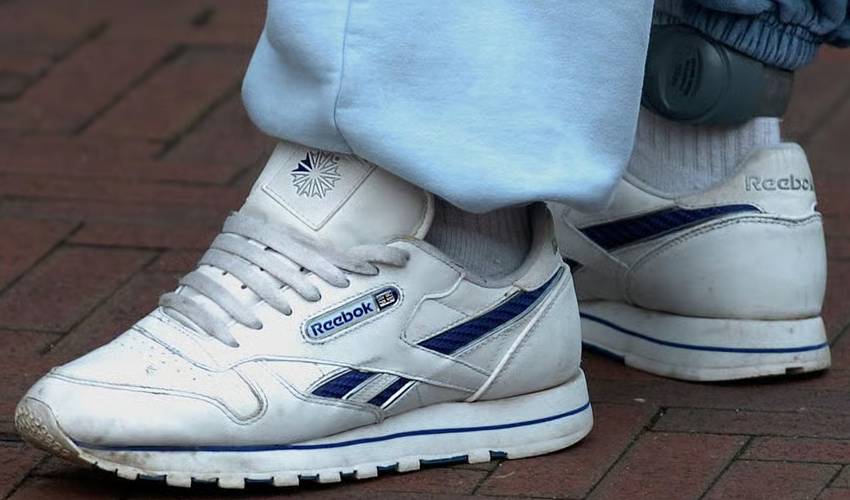
Thousands of offenders across the United Kingdom are being subjected to a strict alcohol ban enforced through advanced electronic ankle tags during the World Cup, according to the Ministry of Justice.
The initiative, reported by Evening Standard, involves around 7,300 individuals who are either serving community sentences or have recently been released from prison.
Officials say the alcohol-monitoring tags are designed to detect ethanol through sweat and operate 24 hours a day, sending real-time alerts to probation officers if a wearer consumes alcohol.
How the technology works
Authorities say the devices continuously analyse perspiration and can determine whether an offender has consumed alcohol.
The system is designed to differentiate between individuals attending public venues such as pubs or fan zones and those who are actually drinking, helping enforcement officers respond more accurately.
If alcohol consumption is detected, probation officers can take action, including returning offenders to court or sending them back to custody.
According to the Ministry of Justice, around 5,000 offenders were already fitted with the alcohol-detecting tags at the start of the tournament, while an additional 2,300 are expected to be added during the event period.
The technology has reportedly been in use since 2020, with officials claiming offenders remain compliant on the vast majority of monitored days.
Government justification
Prisons and probation minister Lord James Timpson said the measure is intended to prevent alcohol-related disorder during major sporting events.
He stated that such events should be an opportunity for public celebration rather than violence or disruption, adding that the ankle tags serve as a strong deterrent against reoffending.
Support from policing bodies
Representatives from the Association of Police and Crime Commissioners backed the scheme, saying alcohol often contributes to spikes in antisocial behaviour during major sporting occasions.
They described the technology as part of broader rehabilitation efforts aimed at reducing reoffending and improving public safety.
Authorities say the programme is part of wider efforts to ensure that large-scale sporting events, including the World Cup, remain safe and enjoyable for fans.
Officials maintain that while the technology is strict, it has proven effective in encouraging compliance and reducing alcohol-related incidents among offenders.