The National Assembly Standing Committee on Finance, chaired by MNA Naveed Qamar, has approved two significant policy measures — the imposition of a carbon levy on petroleum products and the removal of the 10% limit on electricity bill surcharges.
During the meeting held on Thursday, Petroleum Secretary Momin Ali Agha briefed the committee on the carbon levy plan, confirming that a levy of Rs2.5 per litre will be imposed on petrol, diesel, and furnace oil starting from the new financial year. The levy will be gradually increased to Rs5 per litre by the 2026–27 fiscal year.
The measure is part of Pakistan’s commitments under the International Monetary Fund’s (IMF) climate-related Resilience and Sustainability Facility (RSF) and aims to tackle climate change while enhancing non-tax revenue generation.
Separately, the committee also reviewed the government's circular debt repayment strategy. Power Division officials explained that electricity consumers are already paying a debt servicing surcharge — Rs2.83 per unit for domestic consumers and Rs3.23 for others — which is used to pay interest on accumulated circular debt.
To address the growing burden, the government has decided to secure over Rs1,200 billion in low-interest loans from banks. The Standing Committee approved the removal of the 10% ceiling on debt service surcharges — a step that aligns with IMF and lender conditions.
Also Read: Govt decides to impose Rs2.5 carbon levy on petrol, diesel
According to the Power Division, the money collected through these surcharges will be used to repay the new loans, including interest, over a six-year period.
“The removal of the cap is necessary to allow flexibility in managing debt servicing and meet international obligations,” a senior official told the committee.
Senate committee opposes carbon levy
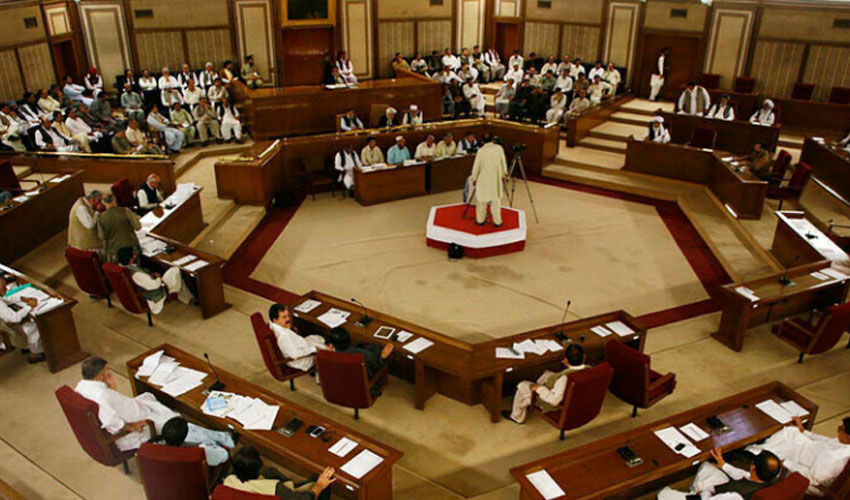
On the other hand, the Senate Standing Committee on Finance strongly opposed the proposed implementation of a carbon levy on petroleum products.
The committee met on Thursday under the chairmanship of Senator Saleem Mandviwala, where officials informed that the government expects to generate Rs45 billion in revenue next year through a Rs2.5 per liter carbon levy on petroleum products. The levy rate is planned to rise to 5% in the following year.
According to the Federal Board of Revenue (FBR) chairman, this measure could increase revenue to Rs90 billion in the subsequent fiscal year. The proposed levy is part of the conditions agreed upon with the International Monetary Fund (IMF) under the more than $1 billion Resilience and Sustainability Facility (RSF) program. The levy would apply to petrol, diesel, and furnace oil.
Currently, a petroleum levy of Rs77 per litre is already in place. Under the new proposal, an additional carbon levy of Rs2.5 per litre would be imposed in the upcoming financial year, increasing to Rs5 per litre in the following year. However, the committee has postponed a decision on the matter.
Chairman Saleem Mandviwala expressed concerns, stating: “We need a detailed briefing on the circular debt repayment plan and other requirements. If approval is granted, you proceed as you wish — but if there is no need to raise the levy, why is permission being sought?”
In response, the joint secretary of the Power Division maintained that the existing surcharge of Rs3.23 per unit would continue to be charged from consumers.
Senator Sherry Rehman strongly opposed the proposal, while Mandviwala warned that this would allow unchecked increases in surcharges. The joint secretary added that the IMF has demanded the removal of the 10% limit currently applied to the debt service surcharge based on NEPRA's distribution companies' total requirements.
He also revealed that the government plans to use the surcharge to repay Rs1,275 billion in circular debt, primarily by covering interest payments.
Senator Shibli Faraz criticized the plan, questioning the purpose of a carbon levy if the funds are allocated for road infrastructure.
“If the prime minister says the funds will be spent on roads in Balochistan, then where is the focus on climate change? The government must first determine its priorities,” he said.

.jpg)

.jpg)