Global oil prices spiked sharply on Friday after Israel confirmed it had launched strikes on Iran, triggering fears of a broader conflict in the Middle East that could disrupt global energy supplies.
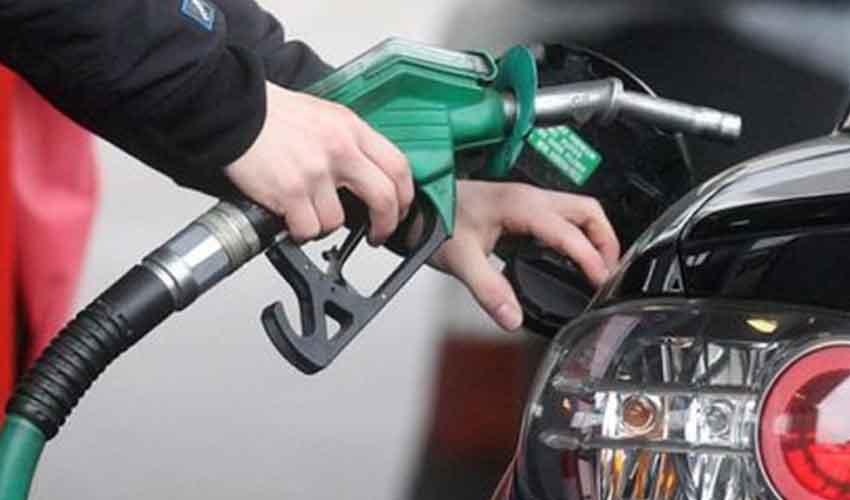
Brent crude futures soared by $5.29, or 7.63 per cent, to $74.65 per barrel in early trading, briefly touching an intraday high of $75.32 — the highest level since April 2. Similarly, US West Texas Intermediate (WTI) crude rose by $5.38, or 7.91pc, to reach $73.42, marking its loftiest price since February 3.
The market reaction came amid confirmation from Israeli authorities that military strikes had been carried out on Iranian targets early Friday, escalating tensions in an already volatile region. Iranian state media also reported explosions in Tehran, fuelling speculation about a potential Iranian response.
Prime Minister Benjamin Netanyahu said the operation targeted Iran’s nuclear infrastructure, ballistic missile facilities, and other key military assets. The Israeli government has maintained that such actions are necessary to curb Tehran’s alleged ambitions to develop nuclear weapons — an accusation Iran has repeatedly denied.
Analysts say the developments have injected a fresh risk premium into oil markets. “The Israeli attack on Iran has heightened the risk premium further,” said Saul Kavonic, senior energy analyst at MST Marquee. However, he noted that oil supply would only be significantly affected if Iran retaliates directly against regional oil infrastructure or seeks to block the Strait of Hormuz — a key maritime route for global oil shipments.
“In an extreme scenario, Iran could affect up to 20 million barrels per day of oil flows, either through attacks or by limiting access through the strait,” Kavonic added.
The situation remains fluid, with Iranian officials reportedly declaring a state of emergency and preparing for a military response. “This raises the risk not just of direct supply disruptions but of spillover effects into other neighbouring oil-producing nations,” said Priyanka Sachdeva, senior market analyst at Phillip Nova.
The geopolitical tensions have also rattled global financial markets. Stocks plunged in early Asian trade, with US futures leading the downturn. Investors rushed to traditional safe havens, including gold and the Swiss franc.
“The alarming escalation is a blow to risk sentiment,” said Tony Sycamore, a market analyst at IG. “Until there is more clarity on Iran’s response, we’re likely to see continued risk aversion as traders unwind positions before the weekend.”
While US Secretary of State Marco Rubio said the strikes were a “unilateral action” by Israel and clarified that Washington had no direct involvement, he warned Tehran against targeting American personnel or interests in the region. Former President Donald Trump, meanwhile, has expressed reluctance to engage militarily but said any attack on US forces would cross a red line.
The market reaction underscores investor anxiety over a potential conflict that could disrupt not only oil supplies but also broader economic stability in the region. Analysts warn that any escalation involving the Strait of Hormuz — through which nearly a third of the world’s seaborne oil passes — could have far-reaching consequences for energy markets and global inflation trends.


.jpg)


.jpg)